


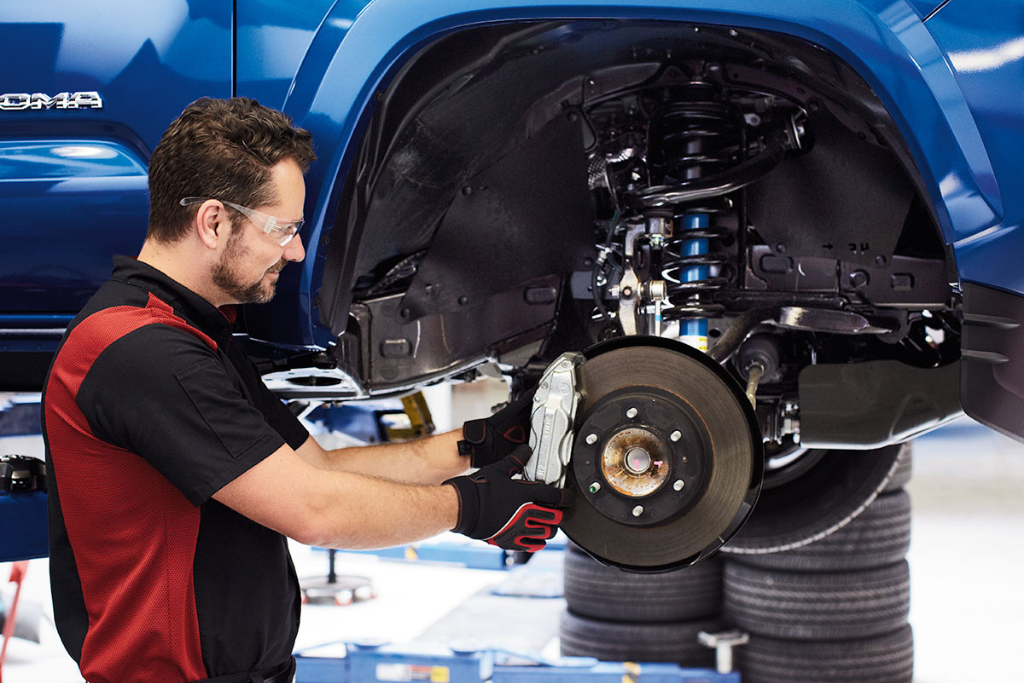
Brake pads are one of the most important safety components on your vehicle and understanding how long brake pads last can help you maintain safe braking performance while avoiding more costly brake repairs. Whether you’re navigating stop-and-go Bay Area traffic, commuting along Interstate 80, or taking longer highway trips, routine brake inspections and timely brake pad replacement are essential for keeping your Toyota performing at its best.
At Toyota Vallejo, one of the most common questions our service team hears is, “How long do brake pads last?” While there isn’t a single answer, most brake pads typically last between 30,000 and 70,000 miles, depending on driving habits, road conditions, vehicle type, and the quality of the brake pad material. Frequent city driving, heavy braking, towing, and carrying additional weight can all shorten brake pad life, while consistent highway driving often allows brake pads to last longer.
Knowing the warning signs of worn brake pads, understanding the factors that affect brake pad lifespan, and scheduling regular brake inspections can help protect your braking system, improve vehicle safety, and extend the life of other brake components. In this guide, we’ll explain what impacts brake pad wear, when brake pads should be replaced, and how Toyota Vallejo can help keep your vehicle stopping safely and confidently.
How Long Do Brake Pads Last on a Toyota?
While most Toyota brake pads last between 30,000 and 70,000 miles, the actual lifespan depends on how and where your vehicle is driven. Rather than relying on mileage alone, it’s important to have your braking system inspected regularly to determine when brake pad replacement is needed.
Driving conditions throughout Vallejo and the greater Bay Area can have a significant impact on brake wear. Frequent stop-and-go traffic, steep hills, daily commuting, and carrying heavy loads all require more braking, which naturally causes brake pads to wear more quickly than vehicles driven primarily on open highways.
Several factors influence how long Toyota brake pads last, including:
- Driving habits
- Traffic conditions
- Vehicle weight
- Brake pad material
- Road terrain
- Towing or hauling
- Frequency of braking
Front brake pads also typically wear faster than rear brake pads because the front braking system absorbs more force each time you slow or stop.
Routine brake inspections are the most reliable way to monitor brake pad condition before braking performance begins to decline. During every brake inspection, the Toyota Certified Technicians at Toyota Vallejo measure brake pad thickness, inspect brake rotors and other brake components for wear, and recommend service based on your vehicle’s condition and Toyota’s factory specifications. This proactive approach helps maintain safe braking performance while preventing more extensive, and often more expensive, brake repairs.
What Causes Brake Pads to Wear Out Faster?
Brake pads are designed to wear over time as they create friction against the brake rotors to safely slow and stop your vehicle. While this is a normal part of routine vehicle maintenance, certain driving habits and road conditions can significantly reduce brake pad lifespan.
Common causes of premature brake pad wear include:
- Frequent stop-and-go traffic
- Aggressive or hard braking
- Driving at higher speeds
- Carrying additional vehicle weight
- Towing trailers or heavy loads
- Driving on steep grades or hilly roads
- Worn or damaged brake rotors
- Low-quality or improperly fitted brake pads
Drivers throughout Vallejo and the Bay Area often experience faster brake wear because daily commuting frequently involves traffic congestion, traffic signals, and repeated braking. These conditions generate additional heat and friction, causing brake pads to wear more quickly than vehicles driven primarily on highways.
Hard braking, especially from higher speeds, places additional stress on both the brake pads and brake rotors. Over time, excessive heat can reduce braking efficiency and contribute to uneven brake wear if left unaddressed. Routine brake inspections can help identify uneven brake pad wear, rotor damage, and other brake system concerns before they develop into more costly repairs. At Toyota Vallejo, our Toyota Certified Technicians inspect your entire braking system and recommend the appropriate maintenance or brake pad replacement using quality parts designed to meet Toyota’s performance and safety standards.
Signs Your Brake Pads Need Replacing
Brake pads rarely wear out without warning. In most cases, your vehicle will begin showing signs that it’s time for a brake inspection or brake pad replacement. Recognizing these symptoms early can help protect your brake rotors, maintain safe stopping performance, and reduce the likelihood of more expensive brake repairs.
Common Signs of Worn Brake Pads
- Squealing or squeaking noises
- Grinding noises when braking
- Longer stopping distances
- Brake pedal vibration or pulsation
- Vehicle pulling to one side while braking
- Brake warning light illuminated
- Reduced braking responsiveness or braking power
Many modern brake pads include a built-in wear indicator that produces a high-pitched squealing sound when the brake pad material becomes thin. This is an early warning that it’s time to have your brakes inspected.
It’s important to know that not every squealing noise means your brake pads need to be replaced immediately. In some cases, brake dust, moisture, or debris can cause temporary brake noise. Brake dust is a normal byproduct of the braking process, consisting of fine particles from the brake pads and rotors that can accumulate on brake components and leave a dark residue on your wheels. While this type of squealing may not indicate excessive brake pad wear, any persistent brake noise should be inspected to determine the underlying cause.
If the squealing progresses to a grinding noise, the brake pads may be completely worn through, allowing the metal backing plate to contact the brake rotor. Continuing to drive in this condition can damage the rotors, reduce braking performance, and significantly increase repair costs.
If you notice any of these warning signs, don’t wait for the problem to worsen. The Toyota Certified Technicians at Toyota Vallejo can inspect your brake pads, brake rotors, calipers, brake fluid, and the rest of your braking system to identify the source of the issue and recommend the appropriate repairs to keep your Toyota performing safely.
If your brakes are making unusual noises, your vehicle isn’t stopping as confidently as it should, or it’s simply time for a routine brake inspection, our service team is here to help. The Toyota Certified Technicians at Toyota Vallejo use Toyota-approved parts and follow factory-recommended service procedures to help maintain the safety, reliability, and performance of your vehicle.
Schedule your brake inspection or brake pad replacement at Toyota Vallejo today, and drive with confidence knowing your braking system is ready for every mile ahead.
How Long Do Brake Rotors Last?
Brake rotors typically last longer than brake pads and often remain in good condition for 50,000 to 70,000 miles or more. However, rotor lifespan depends on driving habits, road conditions, braking frequency, and whether brake pads are replaced before they become excessively worn.
Brake rotors and brake pads work together to safely slow and stop your vehicle. Each time you apply the brakes, friction generates heat, gradually wearing both components. As brake rotors age, they can develop uneven wear, grooves, excessive runout, or heat-related damage that affects braking performance.
Common signs that your brake rotors may need service include:
- Brake pedal vibration or pulsation
- Steering wheel vibration while braking
- Uneven or inconsistent braking performance
- Grinding noises
- Visible grooves, scoring, or excessive rotor wear
Replacing brake pads at the recommended time can often help extend the life of your brake rotors and reduce the likelihood of more extensive brake repairs. During every brake inspection, the Toyota Certified Technicians at Toyota Vallejo measure rotor thickness, inspect rotor condition, and determine whether the rotors can continue to be used or should be replaced according to Toyota’s factory specifications.
Keeping both your brake pads and brake rotors in good condition helps ensure consistent stopping power, supports overall braking system performance, and contributes to the long-term safety and reliability of your Toyota.
Brake Pads vs Rotors: What’s the Difference?
Brake pads and brake rotors are two essential components of your vehicle’s braking system. While they work together every time you press the brake pedal, each serves a different purpose in helping your Toyota slow down and stop safely.
Brake Pads
Brake pads are friction materials mounted inside the brake calipers. When you press the brake pedal, the calipers squeeze the brake pads against the brake rotors, creating the friction needed to reduce wheel speed and bring your vehicle to a controlled stop.
Because brake pads absorb much of the friction and heat generated during braking, they naturally wear down over time and require periodic replacement as part of routine vehicle maintenance.
Brake Rotors
Brake rotors are durable metal discs attached to each wheel. They provide the smooth braking surface that the brake pads press against to slow the vehicle. Although brake rotors generally last longer than brake pads, they can wear, develop grooves, or become damaged from excessive heat or continued driving with worn brake pads.
Since brake pads and brake rotors work as a system, the condition of one directly affects the performance of the other. Replacing worn brake pads before they cause damage to the rotors can help improve braking performance, extend the life of your braking system, and reduce long-term repair costs.
Routine brake inspections performed by the Toyota Certified Technicians at Toyota Vallejo help ensure your brake pads, rotors, calipers, and other braking components are working together as designed. Regular maintenance helps keep your Toyota operating safely and according to Toyota’s factory-recommended standards.
How To Make Brake Pads Last Longer
While brake pads are designed to wear over time, adopting good driving habits and following your recommended maintenance schedule can help extend brake pad life, reduce unnecessary brake wear, and support the long-term performance of your braking system.
Tips To Extend Brake Pad Life
- Avoid hard or sudden braking whenever possible.
- Leave extra following distance between vehicles.
- Coast gradually when approaching stops.
- Reduce unnecessary vehicle weight.
- Follow posted speed limits.
- Schedule regular brake inspections.
- Replace worn brake pads before they damage the brake rotors.
Smooth, controlled braking reduces the heat and friction placed on your brake pads, brake rotors, and other braking components. These simple driving habits can help maximize brake pad lifespan while contributing to a safer, more comfortable driving experience.
Routine brake inspections are equally important. The Toyota Certified Technicians at Toyota Vallejo can monitor brake pad thickness, inspect your brake rotors and braking system, and identify normal wear before it develops into a more costly repair.
Do Toyota Hybrid Brake Pads Last Longer?
In many cases, yes. Toyota hybrid vehicles often experience less brake pad wear than comparable gasoline-powered models because they use regenerative braking technology.
During normal driving, regenerative braking helps slow the vehicle while capturing energy and returning it to the hybrid battery. Because the electric motor assists with deceleration, the conventional brake pads are used less frequently, which can help extend their lifespan.
Models such as the Toyota Prius, Camry Hybrid, Crown, Corolla Hybrid, RAV4 Hybrid, Highlander Hybrid, Grand Highlander Hybrid, and Toyota Sienna Hybrid may experience longer brake pad life under similar driving conditions compared to traditional gas-powered vehicles.
Even with regenerative braking, regular brake inspections remain an important part of routine Toyota maintenance. The Toyota Certified Technicians at Toyota Vallejo inspect brake pads, brake rotors, brake fluid, and the entire braking system to help ensure your hybrid continues to deliver the safe, reliable performance you expect.
Why Toyota Genuine Brake Pads Matter
When it’s time for brake pad replacement, choosing Toyota Genuine Brake Pads helps maintain the braking performance, safety, and reliability your Toyota was engineered to deliver. Unlike aftermarket brake pads that can vary in quality and fitment, Toyota Genuine Parts are designed specifically for your vehicle’s braking system and manufactured to meet Toyota’s strict performance and safety standards.
Benefits of Toyota Genuine Brake Pads include:
- Consistent braking performance
- Proper fit and compatibility
- Reduced brake noise and vibration
- Durable materials designed for everyday driving
- Reduced wear on brake rotors
- Toyota-backed quality and engineering
Using the correct brake pads not only supports predictable stopping performance but also helps protect other components within your braking system over time.
At Toyota Vallejo, our Toyota Certified Technicians install Toyota Genuine Brake Pads and other Genuine Toyota Parts designed specifically for your Toyota model. Combined with a comprehensive brake inspection, this helps ensure your vehicle continues to perform the way Toyota intended.
Schedule Brake Service at Toyota Vallejo
Your braking system is one of the most important safety systems on your vehicle, and routine brake inspections are one of the best ways to help keep it performing at its best. Whether you’ve noticed squealing brakes, grinding noises, brake pedal vibration, longer stopping distances, or it’s simply time for routine maintenance, addressing brake concerns early can help prevent more extensive repairs and maintain safe, reliable stopping power.
At Toyota Vallejo, our Toyota Certified Technicians inspect your brake pads, brake rotors, calipers, brake fluid, and other critical braking components using Toyota’s factory-recommended service procedures. If brake pad replacement or additional brake service is needed, we use Toyota Genuine Parts engineered specifically for your vehicle.
We proudly provide professional Toyota brake service for drivers throughout Vallejo, Benicia, American Canyon, Fairfield, Napa, and the greater Solano County area, helping keep your Toyota ready for every commute, road trip, and adventure ahead. If your Toyota is due for a brake inspection or brake pad replacement, schedule your brake service at Toyota Vallejo today. Our team is here to help you drive with confidence, knowing your braking system is performing safely and reliably.
Frequently Asked Questions About Brake Pads
How often should brake pads be replaced?
Most brake pads need to be replaced between 30,000 and 70,000 miles, although the exact interval depends on driving habits, traffic conditions, road terrain, vehicle weight, and brake pad material. Regular brake inspections are the best way to determine when your Toyota brake pads should be replaced based on their actual condition.
What do worn brake pads sound like?
Worn brake pads commonly produce squealing, squeaking, or grinding noises when braking. Squealing often indicates the brake pads are approaching the end of their service life, while grinding may signal that the brake pads have worn completely and are damaging the brake rotors. If you hear either sound, schedule a brake inspection as soon as possible.
How long do Toyota brake pads last?
Toyota brake pads typically last between 30,000 and 70,000 miles, depending on your driving style, road conditions, vehicle model, and whether you primarily drive in city traffic or on the highway. Routine brake inspections by Toyota Certified Technicians help ensure brake pads are replaced at the appropriate time.
Do Toyota hybrid vehicles wear through brake pads faster?
No. In many cases, Toyota hybrid vehicles experience slower brake pad wear because regenerative braking helps slow the vehicle while recovering energy for the hybrid battery. This reduces how often the conventional brake pads are engaged, which can help extend their lifespan. Regular brake inspections are still recommended to maintain safe braking performance.
Can worn brake pads damage brake rotors?
Yes. If brake pads become excessively worn, the metal backing plate can contact the brake rotors, creating metal-on-metal friction that may cause grooves, scoring, or other rotor damage. Replacing worn brake pads promptly can help protect your brake rotors, improve braking performance, and reduce the cost of future brake repairs.
Connect with us


- July 2026
- June 2026
- May 2026
- April 2026
- March 2026
- February 2026
- January 2026
- December 2025
- September 2025
- August 2025
- July 2025
- June 2025
- May 2025
- April 2025
- March 2025
- February 2025
- January 2025
- December 2024
- November 2024
- September 2024
- August 2024
- July 2024
- June 2024
- May 2024
- January 2024
- December 2023
- November 2023
Archives
- A/C and Heating Repair
- Bilingual Staff
- Brakes
- Car Battery
- Check Engine Light
- Electric Vehicles
- Fuel Efficiency
- Hybrid Cars Vallejo CA
- Ice Cream
- Inspect Tires
- Local Blog
- Local Events
- Oil Change
- President's Award
- Rental Center Hours
- Schedule Service
- Spanish-Speaking Staff
- Tire Service
- Towing Capacity
- Toy Drive
- Toyota 4Runner
- Toyota bZ
- Toyota Camry
- Toyota Certified Used Vehicles
- Toyota Certified Used Vehicles Program
- Toyota Corolla
- Toyota Grand Highlander
- Toyota Highlander Hybrid
- Toyota Hybrid
- Toyota Parts
- Toyota Prius
- Toyota RAV 4
- Toyota RAV4 Hybrid
- Toyota Rental
- Toyota Sequoia
- Toyota Sienna
- Toyota Spring Service
- Toyota SUV Dealership
- Toyota Tacoma
- Toyota TRD
- Toyota Trim Levels
- Toyota Truck
- Toyota Tundra
- Toyota Vallejo Rental
- Toyota Vallejo Service
- Uncategorized
- Vallejo Toyota Dealer
- Vallejo Toyota Service
- Vallejo Used Cars
- Winter Vehicle Service
- Wiper Blades