
Blog / Vallejo Toyota Service

Blog

All Vallejo Toyota Service Vallejo Toyota Dealer Toyota Vallejo Service Schedule Service Inspect Tires Local Blog Toyota SUV Dealership Brakes Hybrid Cars Vallejo CA Tire Service Toyota Truck A/C and Heating Repair Car Battery Vallejo Used Cars Local Events Oil Change Towing Capacity Toyota 4Runner Toyota Camry Toyota Grand Highlander Toyota Sienna Fuel Efficiency Toyota Certified Used Vehicles Toyota Certified Used Vehicles Program Toyota Highlander Hybrid Toyota Parts Toyota RAV 4 Toyota Sequoia Toyota TRD Toyota Trim Levels Toyota Tundra Winter Vehicle Service Wiper Blades Check Engine Light Toyota Corolla Toyota Prius Toyota RAV4 Hybrid Toyota Spring Service Toyota Tacoma Bilingual Staff Electric Vehicles Ice Cream President's Award Rental Center Hours Spanish-Speaking Staff Toy Drive Toyota bZ Toyota Hybrid Toyota Rental Toyota Vallejo Rental
How Long Do Brake Pads Last Toyota Brake Pads

How Long Do Brake Pads Last?

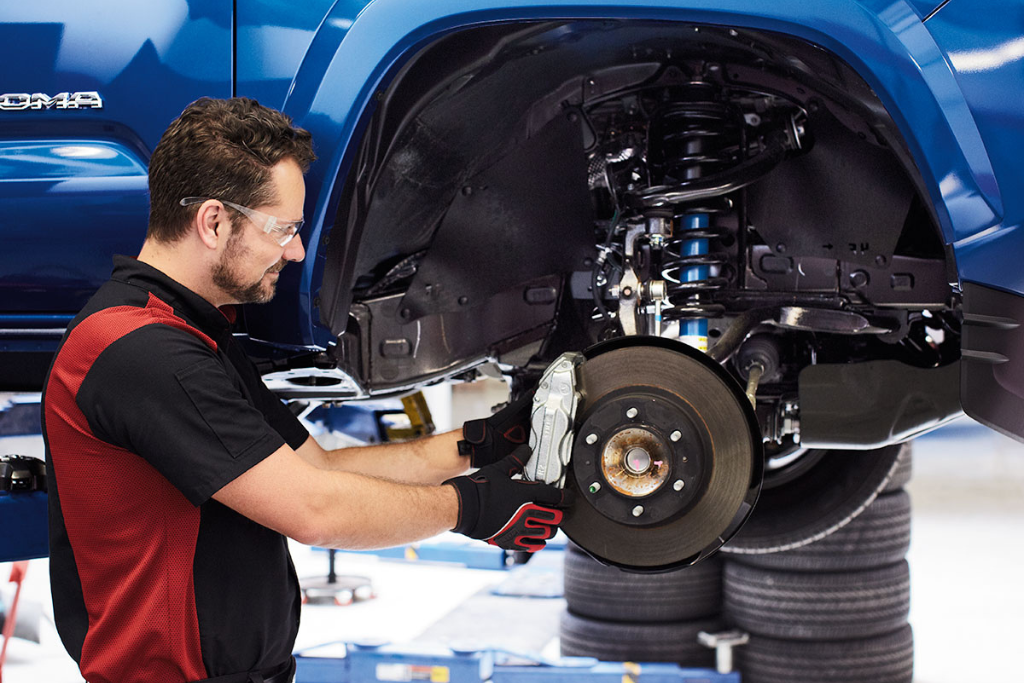
Brake pads are one of the most important safety components on your vehicle and understanding how long brake pads last can help you maintain safe braking performance while avoiding more costly brake repairs. Whether you're navigating stop-and-go Bay Area traffic, commuting along Interstate 80, or taking longer highway trips, routine brake inspections and timely brake pad replacement are essential for keeping your Toyota performing at its best. At Toyota Vallejo, one of the most common questions our service team hears is, "How long do brake pads last?" While there isn't a single answer, most brake pads typically last between 30,000 and 70,000 miles, depending on driving habits, road conditions, vehicle type, and the quality of the brake pad material. Frequent city driving, heavy braking, towing, and carrying additional weight can all shorten brake pad life, while consistent highway driving often allows brake pads to last longer. Knowing the warning signs of worn brake pads, understanding the factors that affect brake pad lifespan, and scheduling regular brake inspections can help protect your braking system, improve vehicle safety, and extend the life of other brake components. In this guide, we'll explain what impacts brake pad wear, when brake pads should be replaced, and how Toyota Vallejo can help keep your vehicle stopping safely and confidently. more How Long Do Brake Pads Last on a Toyota? While most Toyota brake pads last between 30,000 and 70,000 miles, the actual lifespan depends on how and where your vehicle is driven. Rather than relying on mileage alone, it's important to have your braking system inspected regularly to determine when brake pad replacement is needed. Driving conditions throughout Vallejo and the greater Bay Area can have a significant impact on brake wear. Frequent stop-and-go traffic, steep hills, daily commuting, and carrying heavy loads all require more braking, which naturally causes brake pads to wear more quickly than vehicles driven primarily on open highways. Several factors influence how long Toyota brake pads last, including: Driving habits Traffic conditions Vehicle weight Brake pad material Road terrain Towing or hauling Frequency of braking Front brake pads also typically wear faster than rear brake pads because the front braking system absorbs more force each time you slow or stop. Routine brake inspections are the most reliable way to monitor brake pad condition before braking performance begins to decline. During every brake inspection, the Toyota Certified Technicians at Toyota Vallejo measure brake pad thickness, inspect brake rotors and other brake components for wear, and recommend service based on your vehicle's condition and Toyota's factory specifications. This proactive approach helps maintain safe braking performance while preventing more extensive, and often more expensive, brake repairs. What Causes Brake Pads to Wear Out Faster? Brake pads are designed to wear over time as they create friction against the brake rotors to safely slow and stop your vehicle. While this is a normal part of routine vehicle maintenance, certain driving habits and road conditions can significantly reduce brake pad lifespan. Common causes of premature brake pad wear include: Frequent stop-and-go traffic Aggressive or hard braking Driving at higher speeds Carrying additional vehicle weight Towing trailers or heavy loads Driving on steep grades or hilly roads Worn or damaged brake rotors Low-quality or improperly fitted brake pads Drivers throughout Vallejo and the Bay Area often experience faster brake wear because daily commuting frequently involves traffic congestion, traffic signals, and repeated braking. These conditions generate additional heat and friction, causing brake pads to wear more quickly than vehicles driven primarily on highways. Hard braking, especially from higher speeds, places additional stress on both the brake pads and brake rotors. Over time, excessive heat can reduce braking efficiency and contribute to uneven brake wear if left unaddressed. Routine brake inspections can help identify uneven brake pad wear, rotor damage, and other brake system concerns before they develop into more costly repairs. At Toyota Vallejo, our Toyota Certified Technicians inspect your entire braking system and recommend the appropriate maintenance or brake pad replacement using quality parts designed to meet Toyota's performance and safety standards. Signs Your Brake Pads Need Replacing Brake pads rarely wear out without warning. In most cases, your vehicle will begin showing signs that it's time for a brake inspection or brake pad replacement. Recognizing these symptoms early can help protect your brake rotors, maintain safe stopping performance, and reduce the likelihood of more expensive brake repairs. Common Signs of Worn Brake Pads Squealing or squeaking noises Grinding noises when braking Longer stopping distances Brake pedal vibration or pulsation Vehicle pulling to one side while braking Brake warning light illuminated Reduced braking responsiveness or braking power Many modern brake pads include a built-in wear indicator that produces a high-pitched squealing sound when the brake pad material becomes thin. This is an early warning that it's time to have your brakes inspected. It’s important to know that not every squealing noise means your brake pads need to be replaced immediately. In some cases, brake dust, moisture, or debris can cause temporary brake noise. Brake dust is a normal byproduct of the braking process, consisting of fine particles from the brake pads and rotors that can accumulate on brake components and leave a dark residue on your wheels. While this type of squealing may not indicate excessive brake pad wear, any persistent brake noise should be inspected to determine the underlying cause. If the squealing progresses to a grinding noise, the brake pads may be completely worn through, allowing the metal backing plate to contact the brake rotor. Continuing to drive in this condition can damage the rotors, reduce braking performance, and significantly increase repair costs. If you notice any of these warning signs, don't wait for the problem to worsen. The Toyota Certified Technicians at Toyota Vallejo can inspect your brake pads, brake rotors, calipers, brake fluid, and the rest of your braking system to identify the source of the issue and recommend the appropriate repairs to keep your Toyota performing safely. If your brakes are making unusual noises, your vehicle isn't stopping as confidently as it should, or it's simply time for a routine brake inspection, our service team is here to help. The Toyota Certified Technicians at Toyota Vallejo use Toyota-approved parts and follow factory-recommended service procedures to help maintain the safety, reliability, and performance of your vehicle. Schedule your brake inspection or brake pad replacement at Toyota Vallejo today, and drive with confidence knowing your braking system is ready for every mile ahead. How Long Do Brake Rotors Last? Brake rotors typically last longer than brake pads and often remain in good condition for 50,000 to 70,000 miles or more. However, rotor lifespan depends on driving habits, road conditions, braking frequency, and whether brake pads are replaced before they become excessively worn. Brake rotors and brake pads work together to safely slow and stop your vehicle. Each time you apply the brakes, friction generates heat, gradually wearing both components. As brake rotors age, they can develop uneven wear, grooves, excessive runout, or heat-related damage that affects braking performance. Common signs that your brake rotors may need service include: Brake pedal vibration or pulsation Steering wheel vibration while braking Uneven or inconsistent braking performance Grinding noises Visible grooves, scoring, or excessive rotor wear Replacing brake pads at the recommended time can often help extend the life of your brake rotors and reduce the likelihood of more extensive brake repairs. During every brake inspection, the Toyota Certified Technicians at Toyota Vallejo measure rotor thickness, inspect rotor condition, and determine whether the rotors can continue to be used or should be replaced according to Toyota's factory specifications. Keeping both your brake pads and brake rotors in good condition helps ensure consistent stopping power, supports overall braking system performance, and contributes to the long-term safety and reliability of your Toyota. Brake Pads vs Rotors: What’s the Difference? Brake pads and brake rotors are two essential components of your vehicle's braking system. While they work together every time you press the brake pedal, each serves a different purpose in helping your Toyota slow down and stop safely. Brake Pads Brake pads are friction materials mounted inside the brake calipers. When you press the brake pedal, the calipers squeeze the brake pads against the brake rotors, creating the friction needed to reduce wheel speed and bring your vehicle to a controlled stop. Because brake pads absorb much of the friction and heat generated during braking, they naturally wear down over time and require periodic replacement as part of routine vehicle maintenance. Brake Rotors Brake rotors are durable metal discs attached to each wheel. They provide the smooth braking surface that the brake pads press against to slow the vehicle. Although brake rotors generally last longer than brake pads, they can wear, develop grooves, or become damaged from excessive heat or continued driving with worn brake pads. Since brake pads and brake rotors work as a system, the condition of one directly affects the performance of the other. Replacing worn brake pads before they cause damage to the rotors can help improve braking performance, extend the life of your braking system, and reduce long-term repair costs. Routine brake inspections performed by the Toyota Certified Technicians at Toyota Vallejo help ensure your brake pads, rotors, calipers, and other braking components are working together as designed. Regular maintenance helps keep your Toyota operating safely and according to Toyota's factory-recommended standards. How To Make Brake Pads Last Longer While brake pads are designed to wear over time, adopting good driving habits and following your recommended maintenance schedule can help extend brake pad life, reduce unnecessary brake wear, and support the long-term performance of your braking system. Tips To Extend Brake Pad Life Avoid hard or sudden braking whenever possible. Leave extra following distance between vehicles. Coast gradually when approaching stops. Reduce unnecessary vehicle weight. Follow posted speed limits. Schedule regular brake inspections. Replace worn brake pads before they damage the brake rotors. Smooth, controlled braking reduces the heat and friction placed on your brake pads, brake rotors, and other braking components. These simple driving habits can help maximize brake pad lifespan while contributing to a safer, more comfortable driving experience. Routine brake inspections are equally important. The Toyota Certified Technicians at Toyota Vallejo can monitor brake pad thickness, inspect your brake rotors and braking system, and identify normal wear before it develops into a more costly repair. Do Toyota Hybrid Brake Pads Last Longer? In many cases, yes. Toyota hybrid vehicles often experience less brake pad wear than comparable gasoline-powered models because they use regenerative braking technology. During normal driving, regenerative braking helps slow the vehicle while capturing energy and returning it to the hybrid battery. Because the electric motor assists with deceleration, the conventional brake pads are used less frequently, which can help extend their lifespan. Models such as the Toyota Prius, Camry Hybrid, Crown, Corolla Hybrid, RAV4 Hybrid, Highlander Hybrid, Grand Highlander Hybrid, and Toyota Sienna Hybrid may experience longer brake pad life under similar driving conditions compared to traditional gas-powered vehicles. Even with regenerative braking, regular brake inspections remain an important part of routine Toyota maintenance. The Toyota Certified Technicians at Toyota Vallejo inspect brake pads, brake rotors, brake fluid, and the entire braking system to help ensure your hybrid continues to deliver the safe, reliable performance you expect. Why Toyota Genuine Brake Pads Matter When it's time for brake pad replacement, choosing Toyota Genuine Brake Pads helps maintain the braking performance, safety, and reliability your Toyota was engineered to deliver. Unlike aftermarket brake pads that can vary in quality and fitment, Toyota Genuine Parts are designed specifically for your vehicle's braking system and manufactured to meet Toyota's strict performance and safety standards. Benefits of Toyota Genuine Brake Pads include: Consistent braking performance Proper fit and compatibility Reduced brake noise and vibration Durable materials designed for everyday driving Reduced wear on brake rotors Toyota-backed quality and engineering Using the correct brake pads not only supports predictable stopping performance but also helps protect other components within your braking system over time. At Toyota Vallejo, our Toyota Certified Technicians install Toyota Genuine Brake Pads and other Genuine Toyota Parts designed specifically for your Toyota model. Combined with a comprehensive brake inspection, this helps ensure your vehicle continues to perform the way Toyota intended. Schedule Brake Service at Toyota Vallejo Your braking system is one of the most important safety systems on your vehicle, and routine brake inspections are one of the best ways to help keep it performing at its best. Whether you've noticed squealing brakes, grinding noises, brake pedal vibration, longer stopping distances, or it's simply time for routine maintenance, addressing brake concerns early can help prevent more extensive repairs and maintain safe, reliable stopping power. At Toyota Vallejo, our Toyota Certified Technicians inspect your brake pads, brake rotors, calipers, brake fluid, and other critical braking components using Toyota's factory-recommended service procedures. If brake pad replacement or additional brake service is needed, we use Toyota Genuine Parts engineered specifically for your vehicle. We proudly provide professional Toyota brake service for drivers throughout Vallejo, Benicia, American Canyon, Fairfield, Napa, and the greater Solano County area, helping keep your Toyota ready for every commute, road trip, and adventure ahead. If your Toyota is due for a brake inspection or brake pad replacement, schedule your brake service at Toyota Vallejo today. Our team is here to help you drive with confidence, knowing your braking system is performing safely and reliably. Frequently Asked Questions About Brake Pads How often should brake pads be replaced? Most brake pads need to be replaced between 30,000 and 70,000 miles, although the exact interval depends on driving habits, traffic conditions, road terrain, vehicle weight, and brake pad material. Regular brake inspections are the best way to determine when your Toyota brake pads should be replaced based on their actual condition. What do worn brake pads sound like? Worn brake pads commonly produce squealing, squeaking, or grinding noises when braking. Squealing often indicates the brake pads are approaching the end of their service life, while grinding may signal that the brake pads have worn completely and are damaging the brake rotors. If you hear either sound, schedule a brake inspection as soon as possible. How long do Toyota brake pads last? Toyota brake pads typically last between 30,000 and 70,000 miles, depending on your driving style, road conditions, vehicle model, and whether you primarily drive in city traffic or on the highway. Routine brake inspections by Toyota Certified Technicians help ensure brake pads are replaced at the appropriate time. Do Toyota hybrid vehicles wear through brake pads faster? No. In many cases, Toyota hybrid vehicles experience slower brake pad wear because regenerative braking helps slow the vehicle while recovering energy for the hybrid battery. This reduces how often the conventional brake pads are engaged, which can help extend their lifespan. Regular brake inspections are still recommended to maintain safe braking performance. Can worn brake pads damage brake rotors? Yes. If brake pads become excessively worn, the metal backing plate can contact the brake rotors, creating metal-on-metal friction that may cause grooves, scoring, or other rotor damage. Replacing worn brake pads promptly can help protect your brake rotors, improve braking performance, and reduce the cost of future brake repairs.

Toyota Vallejo

Certified Winter Service Tips for Your Toyota

As winter approaches in Northern California, preparing your vehicle with Certified Winter Service Tips for Your Toyota is essential to maintain safety, reliability, and performance on Bay Area roads. While the San Francisco Bay Area doesn’t typically experience heavy snow or extreme freezing temperatures, cool mornings, steady rain, slick roads, and shorter daylight hours can still impact your Toyota’s brakes, battery, tires, and visibility systems. more At Toyota Vallejo our Toyota-certified technicians provide expert winter maintenance using Genuine Toyota Parts and advanced diagnostic technology to ensure your vehicle is ready for changing Northern California weather conditions. Proudly serving drivers throughout Vallejo, Fairfield, Napa, Benicia, and the greater SF Bay Area, our Toyota Service Center is your trusted destination for certified winter inspections and seasonal maintenance. Schedule your winter service today and drive confidently all season long. Top 8 Services to Get Your Toyota Winter-Ready 1. Tire Inspection and Replacement Cooler Northern California temperatures can cause tire pressure to drop and rubber compounds to harden, reducing traction on wet Bay Area roads. Our Toyota-certified technicians inspect tread depth, look for uneven wear or cracking, and adjust tire pressure to factory specifications. If replacement is needed, our Toyota Tire Center offers Genuine Toyota tires engineered for your specific model, delivering dependable grip, stability, and year-round performance throughout the SF Bay Area. 2. Brake Service Rainy winter conditions in the Bay Area demand reliable stopping power. Our team thoroughly inspects your brake pads, rotors, calipers, and brake fluid levels to ensure safe, responsive braking. Scheduling brake service before peak winter driving helps prevent premature wear and ensures smooth, confident braking on slick Northern California roads. 3. Battery Check and Replacement Cool mornings and damp weather can strain your vehicle’s battery and lead to slow or failed starts. We test your battery’s charge, inspect terminals for corrosion, and replace if necessary, with a Genuine Toyota battery designed for optimal performance and longevity. Count on our certified battery service and replacement options for reliable starts all winter long. 4. Oil Change and Fluid Check Fresh oil is essential for winter performance, especially after chilly overnight temperatures common in Northern California. Our Toyota-approved oil changes help ensure proper lubrication, efficient engine operation, and easier cold starts. We also inspect critical fluids such as coolant, transmission fluid, brake fluid, and windshield washer fluid to keep your Toyota protected in changing Bay Area weather. 5. Wiper Blade and Defroster Service Clear visibility is vital when driving through rain, fog, or early morning mist. Our service team replaces worn Genuine Toyota wiper blades, top off washer fluids with a winter-ready formula, and checks your heater and defroster systems. These services help ensure clear sightlines and interior comfort throughout the winter season. 6. Tire Rotation and Alignment Regular tire rotations regularly promote even tread wear and improve traction on wet roads. We also check your wheel alignment to ensure your Toyota drives straight and handles predictably. These quick services are available through our Toyota Express Maintenance, offering fast, convenient service for Bay Area drivers on the go. 7. Coolant and Antifreeze Check Your engine’s cooling system plays a critical role year-round, even during winter. Our technicians inspect coolant levels, test antifreeze strength, and examine hoses and belts for signs of wear or leaks. Proper coolant maintenance helps prevent corrosion, overheating, and engine damage during Northern California’s fluctuating winter temperatures. 8. Lighting Inspection With shorter days and more nighttime driving, proper lighting is essential. We inspect headlights, taillights, brake lights, and turn signals to ensure maximum visibility and safety for you and other drivers. Well-maintained lighting helps you stay visible in low-light and rainy Bay Area conditions. Why Service with Toyota-Trained Technicians At Toyota Vallejo, our Toyota-trained technicians are certified to understand the unique engineering and seasonal maintenance needs of every Toyota, from fuel-efficient sedans to full-size SUVs and trucks. We use Genuine Toyota Parts and advanced diagnostic technology to deliver precise, efficient service you can trust, especially during Northern California’s winter driving conditions. Our modern Toyota Service Center is designed with your comfort in mind, offering amenities such as coffee, water, Wi-Fi, TV, and comfortable seating while you wait. Whether you visit us from Vallejo, Fairfield, Napa, or Benicia, you can expect expert care, transparent service, and attention from a trusted local team. Ask about ToyotaCare ® and ToyotaCare Plus, which provide valuable maintenance coverage and service benefits for eligible Toyota models. Schedule Your Winter Service Today Preventative maintenance now can help you avoid costly repairs down the road. Schedule your Toyota Winter Service Appointment at Toyota Vallejo and let Toyota-trained technicians ensure your vehicle is ready for safe, reliable driving throughout Northern California and the SF Bay Area this season.

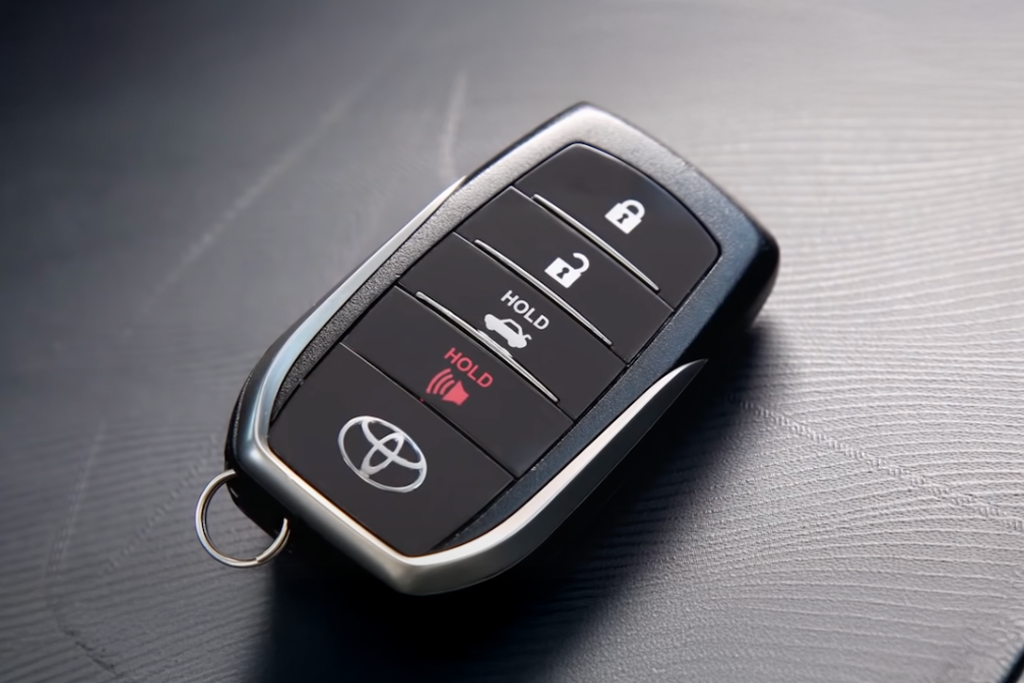
Toyota key fob showing lock, unlock, trunk, and alarm buttons – used in Toyota Vallejo’s guide to key fob battery replacement and new key fobs.

Toyota Key Fob Replacement in Vallejo, CA

If you drive a Toyota in Vallejo, Benicia, American Canyon, or anywhere in Solano County, having a fully functional Toyota key fob is essential. Your key fob controls convenient features like keyless entry, remote start, and the panic button, helping make your daily drive safer and more convenient. But when the key fob battery dies, you could find yourself locked out or unable to start your Toyota. The good news? Replacing a Toyota key fob battery is quick, affordable, and hassle-free, and the team at Toyota Vallejo is here to make the process easy. more How to Replace a Toyota Key Fob Battery 1. Open the fob New Models: Pull out the hidden key and insert it into the slot to open the case. Older Models: Use a small flathead screwdriver to gently pry open the notch. 2. Access the battery Lift the circuit board to reveal the battery 3. Replace the battery Most Toyota models use a CR2032 battery (check owner’s manual to confirm the correct type) Insert the new battery with the correct +/– orientation 4. Test your fob Lock/unlock your Toyota and try the remote start. If it doesn’t work, readjust the battery or check the contacts. What if Your Toyota Key Fob Is Broken? If your Toyota key fob isn’t working due to damage, we offer: New key cutting for worn or broken blades Replacement fob cases for cracked shells Complete key fob replacements for severe physical or water damage Toyota Key Replacement in Vallejo If your Toyota key fob is lost or no longer working, Toyota Vallejo can provide a full replacement. A new key fob typically costs between $200 and $350, depending on your vehicle model. The reason for this cost is that replacement isn’t just about getting a new key, it involves two important steps: Cutting a new physical key to fit your specific vehicle. Programming the electronic chip inside the fob so it communicates correctly with your car’s security system. This process ensures that your new key fob is fully functional and secure, matched precisely to your vehicle. Why Choose Toyota Vallejo? Factory-trained Toyota technicians Genuine OEM parts and batteries Quick, reliable service for Vallejo and surrounding areas Get Your Key Fob Fixed Today From Toyota key fob battery replacements to full key programming, Toyota Vallejo has you covered. Contact us today for quick service so you can get back on the road with confidence. Contact us today

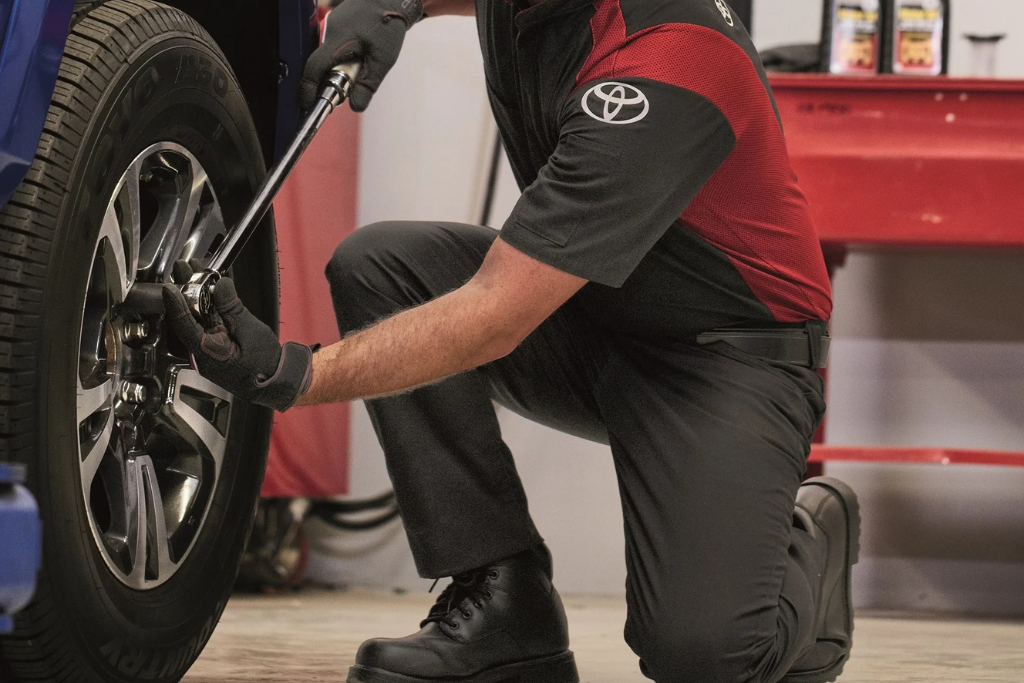
Toyota Vallejo service technician tightening a wheel lug nut with a torque wrench during vehicle maintenance.

Why Buy from the Toyota Tire Center? Expert Tire Service, Price Match Guarantee & More

Your tires are one of the most important safety features on your vehicle; they impact braking, traction, fuel efficiency, and ride comfort. When it’s time to replace your tires, there’s no better place to turn than the Toyota Vallejo Tire Center. Whether you drive a Corolla, Tacoma, RAV4, or Prius, Toyota dealerships offer competitive pricing, expert service, and peace of mind with every tire purchase. In this blog, we’ll walk you through why choosing the Toyota Tire Center makes all the difference. more 5 Reasons to Buy Tires Straight from a Toyota Dealer 1. The Right Tires for Your Toyota Get the perfect fit for your vehicle with tires selected specifically for your Toyota’s year, model, and trim. The Toyota Tire Center ensures your replacement tires meet factory performance and safety standards. We carry top brands including: ● Michelin ● Bridgestone ● Goodyear ● Yokohama ● BFGoodrich, Dunlop, and more 2. Toyota Tire Price Match Guarantee Found a better tire price locally? We’ll match it. Just bring a printed quote from a local competitor within 30 days of purchase, and we’ll refund you the difference. It’s one more way Toyota helps you drive with confidence, without overspending. Conditions and exclusions apply. See Service Center for full details. 3. Expert Installation by Factory-Trained Technicians When you choose the Toyota Tire Center, your tires are installed by factory-trained technicians who understand the unique needs of your Toyota vehicle, from proper fitment to precise balancing and inflation. 4. Road Hazard Coverage You can’t avoid every road hazard, but when you purchase eligible tires from Toyota of Vallejo, you're covered. All eligible tires come with 100% replacement coverage for 24 months if damaged by potholes, nails, or debris. * Coverage begins on your original purchase date and is included at no extra cost on qualifying tires. * 5. Safety and Performance Matter Worn or damaged tires can increase your risk of collisions, even if they look fine on the surface. According to Toyota: ● Improper inflation or unnoticed damage can lead to tire blowouts. ● Half-worn tread can cause loss of traction on wet roads and increase the risk of hydroplaning. If it's been a while since your last tire check, visit the Toyota Tire Center to help ensure your vehicle is safe and road-ready. If it's been a while since your last tire check, visit the Toyota Tire Center to help ensure your vehicle is safe and road-ready. Why Tire Maintenance Matters Even tires that look fine may be putting you at risk. Here’s why regular checks and timely replacements are essential: ● Half-worn tread can dramatically reduce traction on wet roads, increasing your risk of hydroplaning. ● Improper inflation affects braking distance and fuel economy, and can lead to blowouts. ● Unnoticed damage (like sidewall bulges or embedded debris) can worsen quickly, especially in hot weather. A quick visit to your local Toyota Tire Center can prevent costly, or dangerous, surprises. Get Expert Tire Care at Your Toyota Vallejo Tire Center Whether you’re looking for tire replacement, inspection, or a competitive deal backed by Toyota's Price Match Guarantee, the team at Toyota of Vallejo is here to help. ● Shop trusted tire brands ● Enjoy 24-month road hazard coverage on eligible tires ● Count on certified Toyota installation ● Take advantage of price matching on local tire quotes Click here to learn more about Toyota Tire Services

Collage of summer family adventures: A child smiling in a car seat, a Toyota parked at a forest campsite, and a red vehicle near a splash park.

Summer Travel Starts with Toyota Vallejo

Summer is here, and adventure is calling! Whether you're planning family road trips along California’s scenic highways, exploring national parks, or enjoying weekend getaways around the bay area, the right vehicle makes all the difference. At Toyota Vallejo, we’re ready to help you kick off summer with a reliable, safe, and road-trip-ready Toyota. From versatile SUVs to fuel-efficient hybrids, find the perfect ride for your family adventure. more Why Toyota is the Best Choice for Summer Travel When it comes to summer travel, you want peace of mind on the road. Toyota vehicles are known for their reliability, comfort, and advanced safety features, making them ideal for both short getaways and cross-country road trips. Many models offer hybrid and electric options, so you can save on fuel without sacrificing space or performance. Toyota Safety Sense™ provides cutting-edge protection. Available All-Wheel Drive (AWD) keeps you in control on any terrain. Spacious interiors and flexible cargo space make packing easy. Whether you need a family SUV, a rugged truck, or a fuel-efficient hybrid, Toyota Vallejo has the right vehicle for your summer adventures. Top Toyota Vehicles for Your Family Adventure 1. Toyota Highlander: The Family SUV That Does It All The Toyota Highlander offers spacious three-row seating, perfect for larger families. With available AWD and plenty of room for luggage or gear, it’s built for both comfort and capability. Take on long road trips with confidence, knowing you have the safety and versatility of one of the most reliable family SUVs. 2. Toyota RAV4 & RAV4 Hybrid: Adventure-Ready and Efficient The popular Toyota RAV4 offers the ideal balance of space, efficiency, and tech. Available in hybrid and plug-in hybrid (RAV4 Prime) options, this SUV is perfect for families or couples who want fuel savings and SUV flexibility. 3. Toyota Sienna: The Ultimate Family Minivan Summer road trips are more fun, more efficient, in the all-hybrid Toyota Sienna. With seating for up to eight, available entertainment options, and impressive cargo capacity, the Sienna makes long drives enjoyable for everyone. 4. Toyota Tacoma: Built for Rugged Summer Adventures If your family loves exploring off the beaten path, the Toyota Tacoma is ready. With durable capability and off-road performance, it’s the perfect truck for camping, beach trips, or national park getaways. 5. Toyota Corolla & Corolla Hybrid: Efficient SUVs for Smaller Families The Toyota Corolla is one of the world’s most popular cars, and for good reason. With its legendary reliability, impressive fuel efficiency, and modern tech, it’s perfect for couples or smaller families planning road trips or everyday summer adventures. Opt for the Corolla Hybrid for even greater fuel savings without sacrificing comfort or performance. Summer Travel Tips from Toyota Vallejo Before hitting the road, ensure your Toyota is ready for the journey: Schedule a multi-point vehicle inspection at Toyota Vallejo Service Center Check your tires, brakes, and fluids Explore travel accessories like roof racks and cargo organizers Pack roadside essentials for peace of mind Northern California Summer Destinations to Explore Living near Vallejo means access to some of California's best road trip spots: Napa Valley - Perfect for scenic drives and family-friendly vineyard tours Lake Tahoe - Outdoor adventures, hiking, and crystal-clear lakes Yosemite National Park - Experience iconic views and hiking trails California Coastal Highway 1 - One of the most beautiful drives in the world Get there comfortably and confidently with a Toyota from Vallejo. Start your Summer Adventure with Toyota Vallejo Your summer journey starts with the perfect vehicle, and we have it here at Toyota Vallejo. Explore our wide selection of SUVs, trucks, hybrids, and family vehicles today. Take advantage of summer specials, schedule a test drive, and get ready to make unforgettable memories. Contact us today. Summer travel starts with Toyota Vallejo, your road trip adventure awaits! Ready to Explore our Inventory? Contact Toyota Vallejo Today! Whether you’re browsing online or visiting us in person, our friendly team is here to help you find the perfect vehicle for your next adventure. Explore our wide selection, get expert guidance, and drive into summer with confidence. Stop by Toyota Vallejo or start your journey online today!

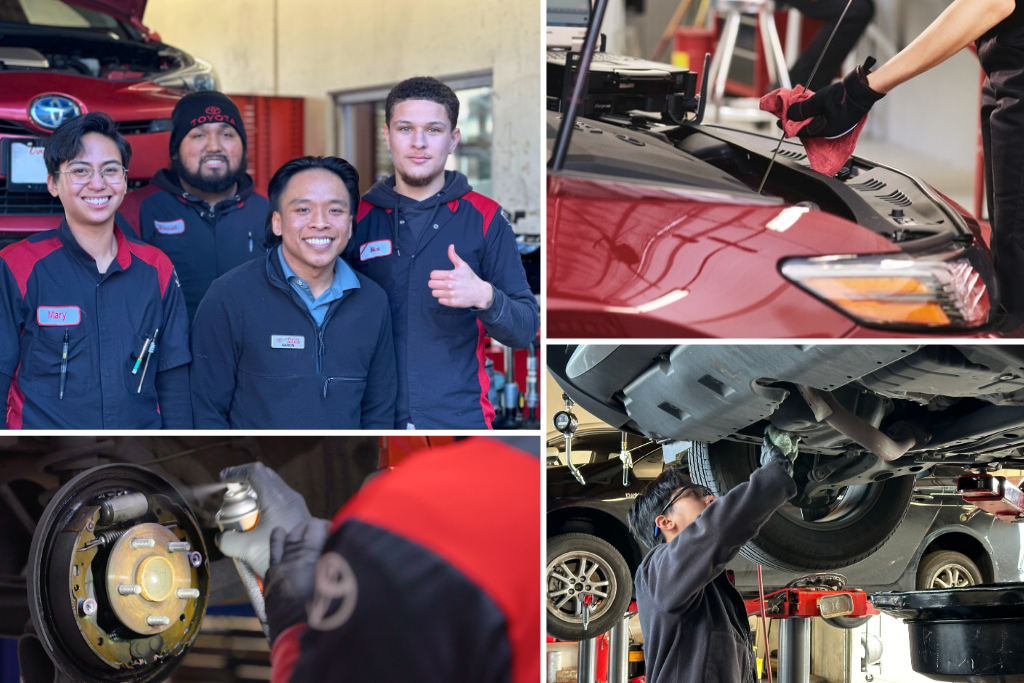
A collage of automotive service technicians working at a Toyota dealership. One photo shows a smiling team of four technicians posing in front of a red Toyota vehicle. Other images depict close-up maintenance activities including checking engine oil, inspecting brakes, and working under a lifted vehicle.

Toyota Spring Service Checklist: Vallejo's Complete Seasonal Maintenance Checklist

As the seasons change, your Toyota deserves specialized care to transition smoothly from winter to spring. At Toyota Vallejo, we understand that your vehicle is more than just transportation - it’s an essential part of your everyday life. Whether it's your commute, school runs, or weekend adventures, we’re here to keep it running smoothly so you can focus on where you need to be. This Toyota Spring Service Checklist covers all the essentials to protect your investment and keep you safe on Vallejo roads. more We take pride in offering: Complimentary 27-point vehicle inspections with every service Transparent pricing with no hidden fees Convenient online scheduling that fits your busy life Your Complete Toyota Spring Service Checklist Follow this proven Toyota Spring Service Checklist to address winter wear and prep for warmer months. 1. Comprehensive Battery Evaluation Winter's cold temperatures can significantly reduce your battery's effectiveness, while spring's warmer weather often reveals underlying issues. Our technicians perform thorough testing to ensure your electrical system is road-trip ready. During your visit, we: Measure voltage and cold cranking amps Clean corrosive buildup from terminals Install genuine Toyota batteries when replacement is needed Did you know? The average car battery lasts 3-5 years. If yours is in this range, spring is the ideal time for testing. 2. Tire Safety Assessment & Rotation Bay Area roads present unique challenges with seasonal potholes and varied terrain. Proper tire maintenance improves safety, fuel efficiency, and ride comfort. Our Toyota Spring Service Checklist includes: Precise tread depth measurement Rotation following Toyota's recommended pattern Pressure adjustment for optimal performance Visual inspection for uneven wear or damage 3. Complete Fluid Service & Oil Change Fresh fluids are what helps to keep your Toyota running and thriving, especially after winter's harsh conditions. We go beyond just an oil change to ensure all systems are properly lubricated and protected: Full synthetic oil change using Toyota-approved formulas Coolant system check and refill Brake fluid condition test Windshield washer reservoir service 4. Brake System Inspection Vallejo's hilly landscape demands responsive brakes you can trust. Our certified technicians examine every component of your braking system: Measure remaining pad material Inspect rotors for warping or wear Test brake fluid moisture content Evaluate caliper function 5. Climate Control System Preparation Don't wait for the first hot day to discover AC issues. Our services include: Performance testing of your entire HVAC system Refrigerant level check and recharge Cabin air filter replacement for better air quality Duct and vent inspection 6. Visibility Enhancement Service Spring showers demand crystal-clear visibility. We ensure your view stays unobstructed with: OEM windshield wiper installation Washer nozzle alignment check Windshield integrity inspection 7. Exterior Protection Winter weather can be tough on your Toyota's finish. Our protection services include: Protective wax application Interior deep cleaning and conditioning Rubber and trim treatment Why Vallejo Drivers Trust Our Toyota Service Center What sets Toyota Vallejo apart goes beyond our factory certifications. We've served Bay Area drivers for years, developing an intimate understanding of local driving conditions and how they affect your vehicle. Our commitment to excellence shows in every detail: Technicians who complete annual Toyota training programs Diagnostic equipment identical to the factory Service advisors who explain recommendations clearly A commitment to getting it right the first time Current Monthly Service Offers We believe quality maintenance should be accessible to every Toyota owner. Visit our Service Specials page to discover money-saving opportunities on your spring maintenance. Make Sure Your Toyota Is Ready for Spring! Don’t let seasonal wear and tear catch you off guard. Whether it’s your daily commute or a weekend getaway, our team will ensure your Toyota performs its best when you need it most. Schedule your appointment today: Or call us at (707) 562-4524 Online in just a few clicks Drive into spring with confidence—we’ll take care of the rest.

Which Services & Repairs Should Toyota Vallejo Owners Schedule with Winter Weather Arriving?

As winter approaches and temperatures begin to drop in the Bay Area, it's time to prepare your Toyota for the rain and cooler weather. Whether you're commuting in the rain or planning holiday road trips, pre-winter maintenance can ensure your vehicle performs its best. Visit the Toyota Vallejo Service Center for essential repairs and services before the wet season sets in. We're the clear choice for keeping your Toyota ready for winter! more Which Services Should My Toyota Get Before Driving This Winter? A/C and Heating Repair While summers in the Bay Area may bring the heat, winter brings cooler temperatures and rain. It's a good idea to make sure your Toyota’s heating system is working properly to keep you warm on those chilly mornings. We’ll inspect both your air conditioning and heating systems and perform any necessary repairs to ensure you stay comfortable no matter the weather. Additionally, having a functioning A/C system is important for defogging your windows during wet weather, ensuring you have clear visibility while driving. Inspect Tires for Wet Weather Bay Area rain can make the roads slippery, so it’s important to have your tires inspected for winter driving. We'll check the tread depth and overall condition of your tires to ensure they’re up to the challenge. If your tires are showing signs of wear, we’ll recommend replacements to help you maintain control in wet conditions. Get a Toyota Oil Change in Vallejo With the change in seasons, it’s the perfect time for an oil change. Our Toyota Service Center in Vallejo offers quick, no-appointment oil changes to keep your vehicle running smoothly. Whether you need a conventional, synthetic blend, or full synthetic oil change, we’ve got you covered to ensure your engine is ready for winter driving. Test Your Toyota's Battery Cold weather can affect your car’s battery, so it’s essential to have it tested before winter arrives. A Toyota TrueStart battery may be needed to ensure reliable performance during the colder months. We’ll test your battery’s health and provide a replacement if necessary, so you're not left stranded in the cold. Install New Wiper Blades on Your Toyota In the Bay Area, winter means rain—and lots of it. Make sure your windshield wipers are ready to handle the rainy season by replacing old or worn blades. Clear visibility is critical during winter storms, and new wipers will help you navigate through rain and fog with ease. Brake Inspection Brake Inspections are very important to check around this time of year. Your brakes are your first line of defense against accidents, especially on wet or icy roads. Make sure they are in good condition to ensure your safety and the safety of others on the road. Schedule Service for Your Toyota Before Winter By taking these steps and visiting the Toyota Vallejo Service Center, you can drive with confidence this winter. Our skilled technicians are here to help you prepare your vehicle for whatever the season may bring. Don't wait until the first storm hits--schedule your pre-winter maintenance today. Contact us or visit us at our dealership in Vallejo, CA, and see why we’re the trusted choice for keeping your Toyota ready for the winter season.

windshield_wiper_featured

Maintain Clear Vision: How To Change Your Toyota Windshield Wipers

At Toyota Vallejo, we understand the importance of maintaining your Toyota to ensure safety and optimal performance. One of the most straightforward yet crucial maintenance tasks you can perform on your own is changing the windshield wipers. Over time, wiper blades can wear out and fail to effectively clear your windshield, impairing visibility during rain or snow. Follow our step-by-step guide to easily change your Toyota's windshield wipers and ensure a clear view of the road. more When Should You Replace Your Wiper Blades? To maintain clear visibility, it's essential to recognize when your wiper blades need replacing. Here are some signs that you need to change your wiper blades: Streaking: If the blades leave streaks on the windshield, then it's time to replace the rubber part of the blades. Skipping: If the wipers run in a skipping fashion, that indicates that the blades are no longer in proper contact with the windshield. Squeaking: A squeaking noise while the wipers are in use indicates that the rubber has hardened or cracked. Visible Damage: Any visible cracks, tears, or missing pieces in the rubber are clear signs that the wipers need replacement. It is advisable to replace your wiper blades every 6-12 months to ensure optimal performance; this depends on the frequency of use and the area's climate. This will ensure that your wipers are always well-maintained without any faults. How To Choose the Right Wiper Blades for Your Toyota Choosing the right wiper blades for specific vehicle models is not straightforward. If you are wondering how to do it, the following expert tips will be helpful. Types of Blades There is a wide array of wiper blades available you can choose from, each with its benefits: Conventional Blades: They are the most common types, consisting of a rubber blade mounted on a metal support. They are cheap and can manage most conditions; many drivers prefer them. Beam Blades: Unlike other wiper blades, these have no metal frame, ensuring even pressure distribution on the windshield. They are more durable and thus can perform well in extreme weather conditions. Hybrid Blades: They combine the features of conventional and beam blades, offering durability and a more aerodynamic design for improved performance. Selecting the Correct Size Before purchasing a wiper blade, knowing the correct size for the particular Toyota model is essential. You can find this information in the vehicle's manual or any other online source. For the best results, you should ensure that the blades you choose are compatible with your vehicle. Almost all auto parts stores and most online stores offer options that allow you to select the correct size according to the car's make, model, and year. Correct size also assists the blades in operating across the entire width of the windshield, giving maximum visibility, especially in poor weather conditions. Cross-check the dimensions to avoid such complications and ensure smooth and safe functioning of your wipers. Replace Your Windshield Wipers in Three Expert Steps You do not need to be an expert or a mechanic to replace your car's windshield wipers. All you need is to follow the simple steps outlined below: Remove Old Wipers To remove old wipers, pull the wiper arm up from the windshield until it clicks in place to hold it up. Next, look for a small flap on the bottom of the wiper, which is connected to the wiper arm, and push this flap to unlock the blade. After pressing the tab, retract the wiper blade away from the arm in a downward direction. Attach New Wipers Replace the new wiper blade at the same place where the previous blade was removed. As you do this, you should hear a click showing that the blade is locked properly. Next, make sure the new blade is well attached and firmly fitted on the wiper arm. This step is important to ensure the wiper blade operates optimally and maintains proper contact with the windshield for clear visibility. Test the Wipers Once you have installed the wipers, you should test them by operating them. This will help guarantee that they are correctly fixed and perform correctly. Also, ensure they do not smudge the windscreen or produce unusual sounds during operation. They should not hamper visibility sliding over the windshield and should not leave streaks or make objectionable noises. Maintenance Tips Like any other part of your car, your windshield wipers require constant maintenance to keep them in optimal working condition. To this end, our experts suggest two invaluable tips. Regular Cleaning The best way to keep your wiper blades as efficient as possible for as long as possible is to clean them with a soft cloth and use your windshield washer fluid. This assists in washing off any deposits, such as dust and dirt, that may otherwise cause abrasion on the blades. Furthermore, it is advisable to occasionally inspect for any deposits of sap, bugs, or dirt on the windshield that may be transferred to the blades. In general, cleaning the windshield and wiper blades at least once a week or after a long journey is advisable. This practice not only enhances the durability of the wiper blades but also makes the windshield clear and free from streaks. Avoid Damage Do not attempt to clear the ice or thick snow off the windshield using the wipers. It is safer to use an ice scraper rather than using the blades and causing more damage. This can help a great deal in making certain that your wipers work well and are long-lasting. It is also important not to use the wipers when the windshield is dry, as this creates a lot of friction that damages the rubber. When parking the car outside during winter, lift the wipers and ensure they do not freeze on the windshield. These preventive measures guarantee that your wiper blades will be ready to work when necessary. Keep Your Toyota Windshield Clear With Proper Wiper Maintenance at Toyota Vallejo It is important to have a clear line of sight to reduce the risks of traffic accidents, especially during poor light conditions. Following our guide and checking or changing your windshield wipers often will ensure your Toyota always stays in good condition. At Toyota Vallejo, we are committed to helping you keep your car as safe and dependable as possible. Come to the service department to get help or if you need to replace the wiper blades on your Toyota.

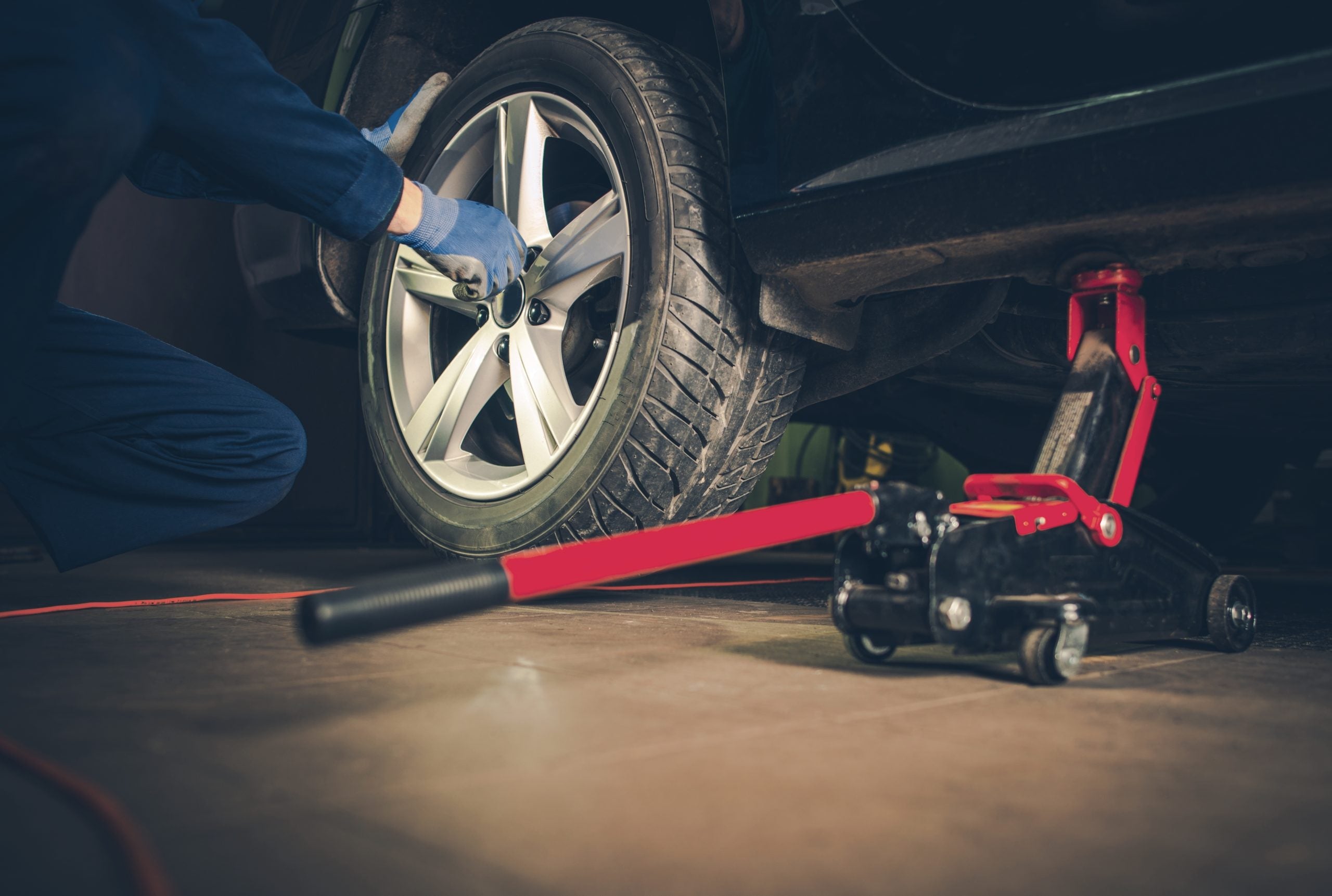
Auto,Service.,Car,Tire,Replacement,And,Maintenance.

How to Change a Tire on Your Toyota Vehicle

A flat can be a major headache and could leave you sitting in your car and waiting for roadside assistance. Changing the tire will fix this problem and get you back on the road again. As your Toyota dealer, we'd like to tell you how to change a tire quickly and easily. Schedule Service! Call Us Today! Find a Safe Place Changing a flat isn't complex, but it takes up much of your focus. This means you need to have a safe place away from other vehicles to concentrate on the task. It's also important to park in as flat an area as possible, as the jack needs to be placed on level ground to prevent accidents. Once you've parked, make sure the engine is switched off and ​​​​​​​​​​​​​​​​​​​​​​​​​​​​​​​​the parking brake is set. It's also advisable to switch on your warning lights and lift the hood. These are both universal signs that your car has a problem, and other drivers will be more cautious and slow down if they pass you. If you have warning triangles or road flares, you can also set these up behind your vehicle for extra security if you're close to moving traffic. more Remove the Flat Changing a tire requires three items, namely the spare tire, a jack, and a lug wrench. These items are usually kept in the trunk. Use the lug wrench to loosen the lugs on the flat, but don't remove them. Look underneath your car for the closest jacking point. Jacking points are flat reinforced sections underneath your car designed for positioning a jack. Place the jack under a jacking point and lift your car until the flat tire just touches the ground. Unscrew the lugs by hand, then carefully lift the flat off the wheel hub and set it to one side. Replace the Tire Lift the spare on the wheel hub and rotate it until the holes in the rim line up with the holes in the wheel hub. Screw the lug nuts back on, and turn them as tightly as you can by hand. Once all the lugs are back in place, lower the car to the ground and remove the jack. Use the lug wrench to tighten the lugs as securely as possible. Place the flat, lug wrench, and jack back in your trunk, and you're ready to hit the road again. You've now officially changed a tire. Spare tires are often donuts, which are smaller than a regular tire. Their size allows you to save space in the trunk, but they're not as durable as standard tires. The tire you've changed will need to be replaced after 50 miles of driving. Visit us today at Toyota Vallejo in Vallejo, CA, and we'll fit a new tire for you.

Car Service

Toyota Service Explained: The Importance of Regular Car Maintenance

Is scheduling Toyota service necessary? While it might be tempting to skip it, regular maintenance from our service center in Vallejo, CA, is crucial for important reasons you shouldn't overlook. Keep reading to learn more. Schedule Service! Call Us Today! Oil Changes Oil changes are fundamental to a vehicle's health because engine oil lubricates the moving parts, reduces friction, and helps to dissipate heat. Over time, though, oil breaks down and becomes contaminated with dirt and debris, so regular oil changes ensure that the engine runs smoothly, prevent overheating, and prolong the engine's life. Neglecting oil changes? This can lead to increased engine wear, reduced efficiency, and potentially severe damage if it goes on long enough. more Tire Maintenance Tires are the only point of contact between the vehicle and the road, and their maintenance is essential to your safety and the vehicle's performance. Regular tire checks should include monitoring tire pressure, tread depth, and overall condition. Checking tread depth is vital for maintaining grip. Neglecting tire maintenance? This can lead to blowouts when you least expect them, and, in worst-case situations, even damage to other parts of the vehicle from misaligned or unevenly inflated tires. Brake Inspection Brake pads and rotors wear down over time and must be replaced to ensure effective braking. Regular brake inspections can identify issues like worn pads, leaking brake fluid, or damaged rotors before they lead to brake failure. Neglecting this one? You know what kind of trouble you'll face if your brakes give out suddenly. But even if it's not sudden, if you ignore brake pad replacement, using the brakes when there's no pad left can fuse the rotors and turn a cheap and fast brake pad replacement into an expensive and extensive replacement of the entire system. Battery Check Over time, batteries lose their charge and can fail. Regular checks can identify corrosion on terminals, ensure connections are secure, and test the battery's ability to hold a charge. Neglecting battery checks can lead to a car that won't start at the worst possible time: typically when it's coldest. Air Filter Replacement The engine air filter prevents dust and debris from entering the engine, and a clogged air filter reduces airflow, impacting your engine performance and fuel efficiency. This is a simple maintenance task that can have a significant impact on the vehicle's efficiency. Neglecting this fast and inexpensive service can cost you big in fuel costs: and in ​a worst-case scenario, ​you can damage your engine. These are just a few of ​the routine services we can provide, and each is ​important to keep your Toyota running right. Need some service? Come to Toyota Vallejo in Vallejo, CA, and we'll get you back on the road, fast.

car battery 3

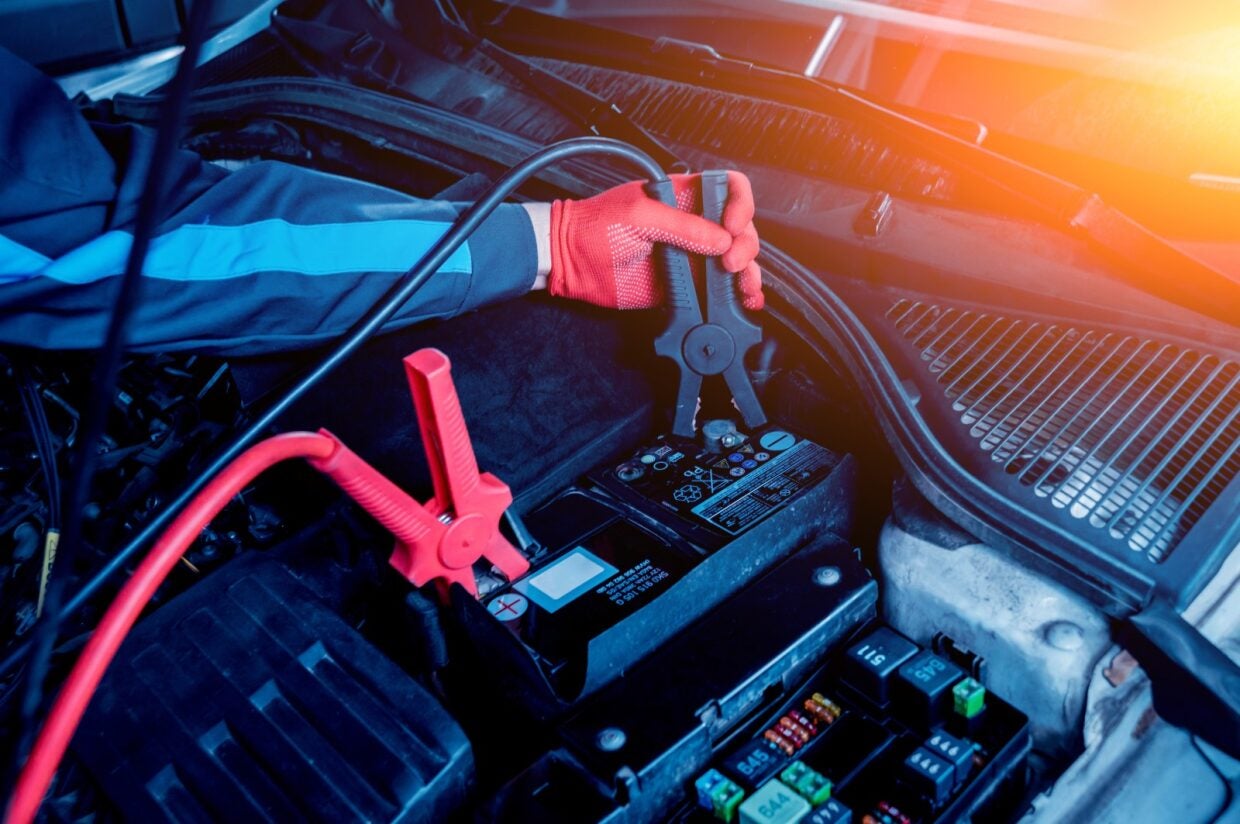
Dead Battery? How to Safely Jump Start Your Toyota

Experiencing a dead battery in your Toyota can be a frustrating ordeal, especially if you're in a hurry. The good news is that jump-starting your car is a straightforward process if done correctly and safely. Let your Toyota dealer explain in detail how to jump-start a car. If doing this for the first time, we recommend getting assistance so it is done safely. Schedule Oil Change! Call Us Today! 1. Preparation Before attempting to jump-start your car, ensure both vehicles (the one with the dead battery and the assisting vehicle) are off with keys removed. Park the assisting vehicle close to your Toyota, ideally nose-to-nose or side-by-side, ensuring the jumper cables can easily reach both batteries. Both cars should have their parking brakes engaged. more 2. Identifying the Batteries and Terminals Open the hoods of both cars and locate the batteries. Identify the positive (+) and negative (-) terminals. The positive terminal is usually marked with a red cover or a ‘+' sign, and the negative terminal is marked with a black cover or a ‘-‘ sign. 3. Connecting the Jumper Cables First, attach one end of the red jumper cable to the positive terminal of your Toyota's dead battery. Then, connect the other end of the red cable to the positive terminal of the assisting vehicle's battery. Next, attach one end of the black cable to the negative terminal of the assisting vehicle's battery. Finally, attach the other end of the black cable to an unpainted metal surface on your Toyota, away from the battery. This step is crucial to safely completing the circuit. 4. Starting the Engines Start the engine of the assisting vehicle first and let it run for a few minutes. This action charges the dead battery slightly. Then, try to start your Toyota. If it doesn't start immediately, wait a few more minutes and try again. 5. Removing the Jumper Cables Once your Toyota starts, let it idle to build up the battery charge. Begin disconnecting the jumper cables in the reverse order you connected them: first remove the black cable from your Toyota, then from the assisting vehicle, followed by the red cable from the assisting vehicle, and finally from your Toyota. 6. Post Jump-Start Care Drive your Toyota for at least 20–30 minutes, ideally at speeds above 45mph, to allow the battery to recharge fully. Avoid turning off the engine during this period. 7. Seeking Professional Help If your Toyota doesn't start after a few attempts, it may indicate a more serious issue than a dead battery. If that's the case, seek professional help from us at Toyota Vallejo. If your battery is repeatedly dying, it may need to be replaced. Jump-starting your Toyota is a simple process that can get you out of a bind. Always prioritize safety and follow these steps carefully. For any assistance, whether it's a battery check, replacement, or other maintenance needs, contact us at Toyota Vallejo in Vallejo, CA.

Contact Us

Fill out this form below and we'll contact you shortly
*Required Fields