

Blog / Vallejo Toyota Service

Toyota Service Explained: The Importance of Regular Car Maintenance

Car Service

Is scheduling Toyota service necessary? While it might be tempting to skip it, regular maintenance from our service center in Vallejo, CA, is crucial for important reasons you shouldn't overlook. Keep reading to learn more.

Oil Changes

Oil changes are fundamental to a vehicle's health because engine oil lubricates the moving parts, reduces friction, and helps to dissipate heat. Over time, though, oil breaks down and becomes contaminated with dirt and debris, so regular oil changes ensure that the engine runs smoothly, prevent overheating, and prolong the engine's life.

Neglecting oil changes? This can lead to increased engine wear, reduced efficiency, and potentially severe damage if it goes on long enough.

Tire Maintenance

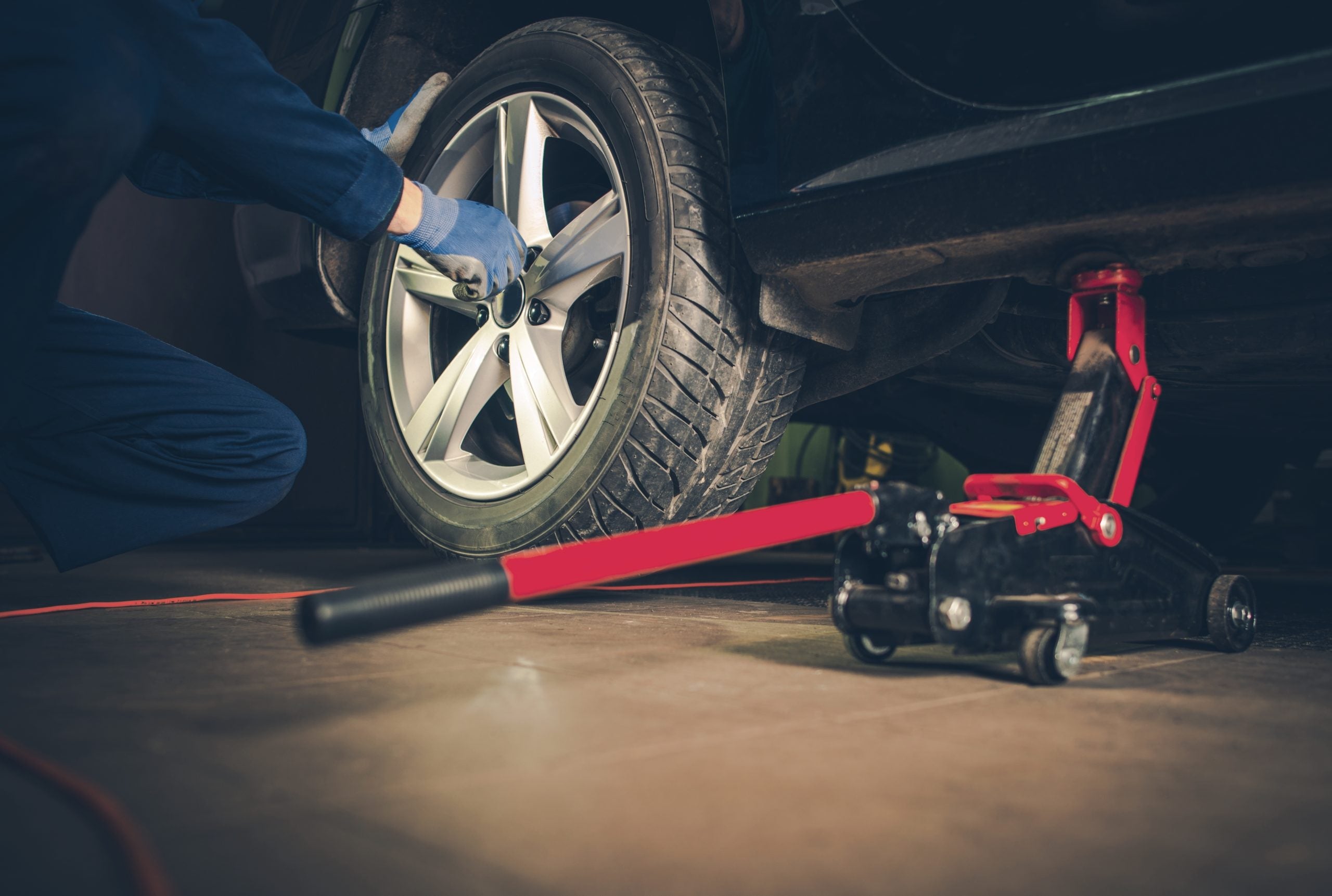
Tires are the only point of contact between the vehicle and the road, and their maintenance is essential to your safety and the vehicle's performance. Regular tire checks should include monitoring tire pressure, tread depth, and overall condition. Checking tread depth is vital for maintaining grip.

Neglecting tire maintenance? This can lead to blowouts when you least expect them, and, in worst-case situations, even damage to other parts of the vehicle from misaligned or unevenly inflated tires.

Brake Inspection

Brake pads and rotors wear down over time and must be replaced to ensure effective braking. Regular brake inspections can identify issues like worn pads, leaking brake fluid, or damaged rotors before they lead to brake failure.

Neglecting this one? You know what kind of trouble you'll face if your brakes give out suddenly. But even if it's not sudden, if you ignore brake pad replacement, using the brakes when there's no pad left can fuse the rotors and turn a cheap and fast brake pad replacement into an expensive and extensive replacement of the entire system.

Battery Check

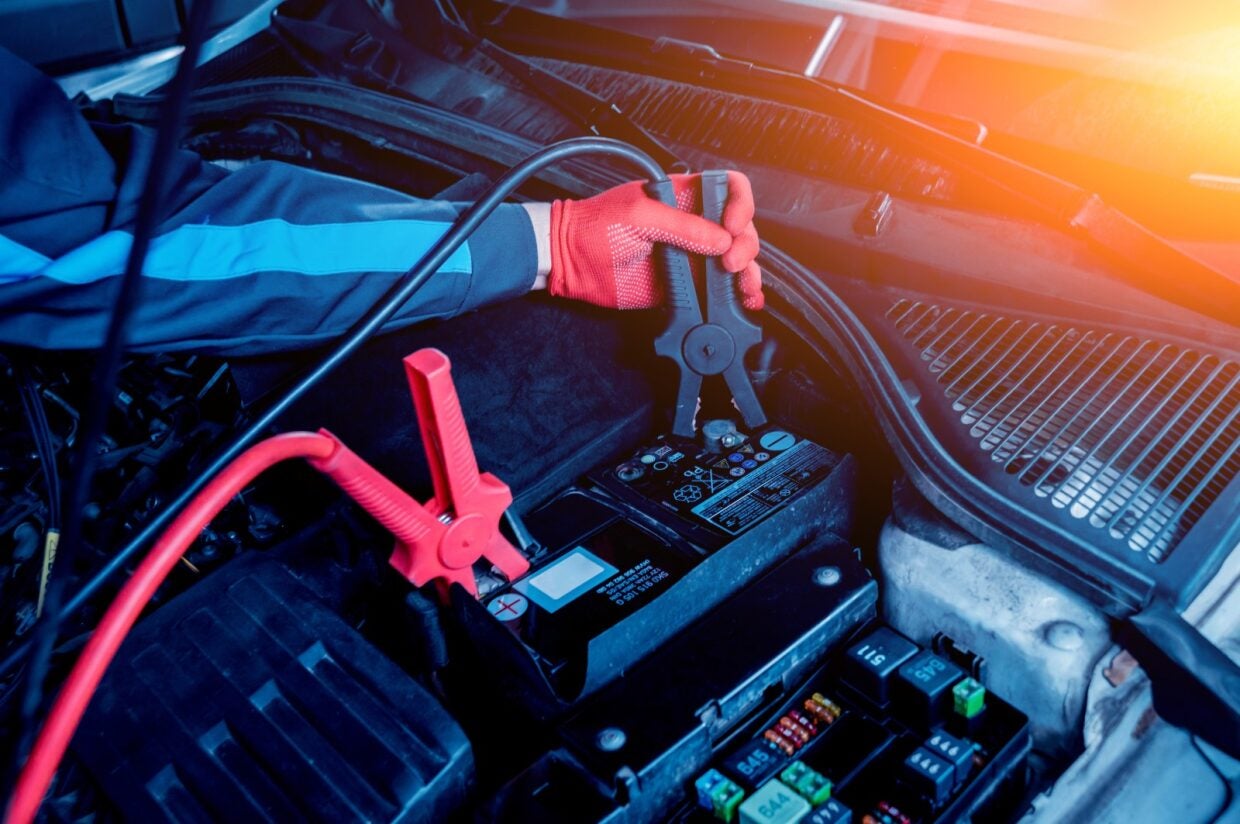
Over time, batteries lose their charge and can fail. Regular checks can identify corrosion on terminals, ensure connections are secure, and test the battery's ability to hold a charge.

Neglecting battery checks can lead to a car that won't start at the worst possible time: typically when it's coldest.

Air Filter Replacement

The engine air filter prevents dust and debris from entering the engine, and a clogged air filter reduces airflow, impacting your engine performance and fuel efficiency. This is a simple maintenance task that can have a significant impact on the vehicle's efficiency.

Neglecting this fast and inexpensive service can cost you big in fuel costs: and in ​a worst-case scenario, ​you can damage your engine.

These are just a few of ​the routine services we can provide, and each is ​important to keep your Toyota running right. Need some service? Come to Toyota Vallejo in Vallejo, CA, and we'll get you back on the road, fast.

Posted in:

Related Posts

windshield_wiper_featured

Maintain Clear Vision: How To Change Your Toyota Windshield Wipers

At Toyota Vallejo, we understand the importance of maintaining your Toyota to ensure safety and optimal performance. One of the most straightforward yet crucial maintenance tasks you can perform on your own is changing the windshield wipers. Over time, wiper blades can wear out and fail to effectively clear your windshield, impairing visibility during rain or snow. Follow our step-by-step guide to easily change your Toyota's windshield wipers and ensure a clear view of the road. more When Should You Replace Your Wiper Blades? To maintain clear visibility, it's essential to recognize when your wiper blades need replacing. Here are some signs that you need to change your wiper blades: Streaking: If the blades leave streaks on the windshield, then it's time to replace the rubber part of the blades. Skipping: If the wipers run in a skipping fashion, that indicates that the blades are no longer in proper contact with the windshield. Squeaking: A squeaking noise while the wipers are in use indicates that the rubber has hardened or cracked. Visible Damage: Any visible cracks, tears, or missing pieces in the rubber are clear signs that the wipers need replacement. It is advisable to replace your wiper blades every 6-12 months to ensure optimal performance; this depends on the frequency of use and the area's climate. This will ensure that your wipers are always well-maintained without any faults. How To Choose the Right Wiper Blades for Your Toyota Choosing the right wiper blades for specific vehicle models is not straightforward. If you are wondering how to do it, the following expert tips will be helpful. Types of Blades There is a wide array of wiper blades available you can choose from, each with its benefits: Conventional Blades: They are the most common types, consisting of a rubber blade mounted on a metal support. They are cheap and can manage most conditions; many drivers prefer them. Beam Blades: Unlike other wiper blades, these have no metal frame, ensuring even pressure distribution on the windshield. They are more durable and thus can perform well in extreme weather conditions. Hybrid Blades: They combine the features of conventional and beam blades, offering durability and a more aerodynamic design for improved performance. Selecting the Correct Size Before purchasing a wiper blade, knowing the correct size for the particular Toyota model is essential. You can find this information in the vehicle's manual or any other online source. For the best results, you should ensure that the blades you choose are compatible with your vehicle. Almost all auto parts stores and most online stores offer options that allow you to select the correct size according to the car's make, model, and year. Correct size also assists the blades in operating across the entire width of the windshield, giving maximum visibility, especially in poor weather conditions. Cross-check the dimensions to avoid such complications and ensure smooth and safe functioning of your wipers. Replace Your Windshield Wipers in Three Expert Steps You do not need to be an expert or a mechanic to replace your car's windshield wipers. All you need is to follow the simple steps outlined below: Remove Old Wipers To remove old wipers, pull the wiper arm up from the windshield until it clicks in place to hold it up. Next, look for a small flap on the bottom of the wiper, which is connected to the wiper arm, and push this flap to unlock the blade. After pressing the tab, retract the wiper blade away from the arm in a downward direction. Attach New Wipers Replace the new wiper blade at the same place where the previous blade was removed. As you do this, you should hear a click showing that the blade is locked properly. Next, make sure the new blade is well attached and firmly fitted on the wiper arm. This step is important to ensure the wiper blade operates optimally and maintains proper contact with the windshield for clear visibility. Test the Wipers Once you have installed the wipers, you should test them by operating them. This will help guarantee that they are correctly fixed and perform correctly. Also, ensure they do not smudge the windscreen or produce unusual sounds during operation. They should not hamper visibility sliding over the windshield and should not leave streaks or make objectionable noises. Maintenance Tips Like any other part of your car, your windshield wipers require constant maintenance to keep them in optimal working condition. To this end, our experts suggest two invaluable tips. Regular Cleaning The best way to keep your wiper blades as efficient as possible for as long as possible is to clean them with a soft cloth and use your windshield washer fluid. This assists in washing off any deposits, such as dust and dirt, that may otherwise cause abrasion on the blades. Furthermore, it is advisable to occasionally inspect for any deposits of sap, bugs, or dirt on the windshield that may be transferred to the blades. In general, cleaning the windshield and wiper blades at least once a week or after a long journey is advisable. This practice not only enhances the durability of the wiper blades but also makes the windshield clear and free from streaks. Avoid Damage Do not attempt to clear the ice or thick snow off the windshield using the wipers. It is safer to use an ice scraper rather than using the blades and causing more damage. This can help a great deal in making certain that your wipers work well and are long-lasting. It is also important not to use the wipers when the windshield is dry, as this creates a lot of friction that damages the rubber. When parking the car outside during winter, lift the wipers and ensure they do not freeze on the windshield. These preventive measures guarantee that your wiper blades will be ready to work when necessary. Keep Your Toyota Windshield Clear With Proper Wiper Maintenance at Toyota Vallejo It is important to have a clear line of sight to reduce the risks of traffic accidents, especially during poor light conditions. Following our guide and checking or changing your windshield wipers often will ensure your Toyota always stays in good condition. At Toyota Vallejo, we are committed to helping you keep your car as safe and dependable as possible. Come to the service department to get help or if you need to replace the wiper blades on your Toyota.

Auto,Service.,Car,Tire,Replacement,And,Maintenance.

How to Change a Tire on Your Toyota Vehicle

A flat can be a major headache and could leave you sitting in your car and waiting for roadside assistance. Changing the tire will fix this problem and get you back on the road again. As your Toyota dealer, we'd like to tell you how to change a tire quickly and easily. Schedule Service! Call Us Today! Find a Safe Place Changing a flat isn't complex, but it takes up much of your focus. This means you need to have a safe place away from other vehicles to concentrate on the task. It's also important to park in as flat an area as possible, as the jack needs to be placed on level ground to prevent accidents. Once you've parked, make sure the engine is switched off and ​​​​​​​​​​​​​​​​​​​​​​​​​​​​​​​​the parking brake is set. It's also advisable to switch on your warning lights and lift the hood. These are both universal signs that your car has a problem, and other drivers will be more cautious and slow down if they pass you. If you have warning triangles or road flares, you can also set these up behind your vehicle for extra security if you're close to moving traffic. more Remove the Flat Changing a tire requires three items, namely the spare tire, a jack, and a lug wrench. These items are usually kept in the trunk. Use the lug wrench to loosen the lugs on the flat, but don't remove them. Look underneath your car for the closest jacking point. Jacking points are flat reinforced sections underneath your car designed for positioning a jack. Place the jack under a jacking point and lift your car until the flat tire just touches the ground. Unscrew the lugs by hand, then carefully lift the flat off the wheel hub and set it to one side. Replace the Tire Lift the spare on the wheel hub and rotate it until the holes in the rim line up with the holes in the wheel hub. Screw the lug nuts back on, and turn them as tightly as you can by hand. Once all the lugs are back in place, lower the car to the ground and remove the jack. Use the lug wrench to tighten the lugs as securely as possible. Place the flat, lug wrench, and jack back in your trunk, and you're ready to hit the road again. You've now officially changed a tire. Spare tires are often donuts, which are smaller than a regular tire. Their size allows you to save space in the trunk, but they're not as durable as standard tires. The tire you've changed will need to be replaced after 50 miles of driving. Visit us today at Toyota Vallejo in Vallejo, CA, and we'll fit a new tire for you.

car battery 3

Dead Battery? How to Safely Jump Start Your Toyota

Experiencing a dead battery in your Toyota can be a frustrating ordeal, especially if you're in a hurry. The good news is that jump-starting your car is a straightforward process if done correctly and safely. Let your Toyota dealer explain in detail how to jump-start a car. If doing this for the first time, we recommend getting assistance so it is done safely. Schedule Oil Change! Call Us Today! 1. Preparation Before attempting to jump-start your car, ensure both vehicles (the one with the dead battery and the assisting vehicle) are off with keys removed. Park the assisting vehicle close to your Toyota, ideally nose-to-nose or side-by-side, ensuring the jumper cables can easily reach both batteries. Both cars should have their parking brakes engaged. more 2. Identifying the Batteries and Terminals Open the hoods of both cars and locate the batteries. Identify the positive (+) and negative (-) terminals. The positive terminal is usually marked with a red cover or a ‘+' sign, and the negative terminal is marked with a black cover or a ‘-‘ sign. 3. Connecting the Jumper Cables First, attach one end of the red jumper cable to the positive terminal of your Toyota's dead battery. Then, connect the other end of the red cable to the positive terminal of the assisting vehicle's battery. Next, attach one end of the black cable to the negative terminal of the assisting vehicle's battery. Finally, attach the other end of the black cable to an unpainted metal surface on your Toyota, away from the battery. This step is crucial to safely completing the circuit. 4. Starting the Engines Start the engine of the assisting vehicle first and let it run for a few minutes. This action charges the dead battery slightly. Then, try to start your Toyota. If it doesn't start immediately, wait a few more minutes and try again. 5. Removing the Jumper Cables Once your Toyota starts, let it idle to build up the battery charge. Begin disconnecting the jumper cables in the reverse order you connected them: first remove the black cable from your Toyota, then from the assisting vehicle, followed by the red cable from the assisting vehicle, and finally from your Toyota. 6. Post Jump-Start Care Drive your Toyota for at least 20–30 minutes, ideally at speeds above 45mph, to allow the battery to recharge fully. Avoid turning off the engine during this period. 7. Seeking Professional Help If your Toyota doesn't start after a few attempts, it may indicate a more serious issue than a dead battery. If that's the case, seek professional help from us at Toyota Vallejo. If your battery is repeatedly dying, it may need to be replaced. Jump-starting your Toyota is a simple process that can get you out of a bind. Always prioritize safety and follow these steps carefully. For any assistance, whether it's a battery check, replacement, or other maintenance needs, contact us at Toyota Vallejo in Vallejo, CA.