Blog / Toyota Hybrid

2024 Toyota Prius Performance & Technology In Vallejo, CA

Discover Innovation: The 2024 Toyota Prius

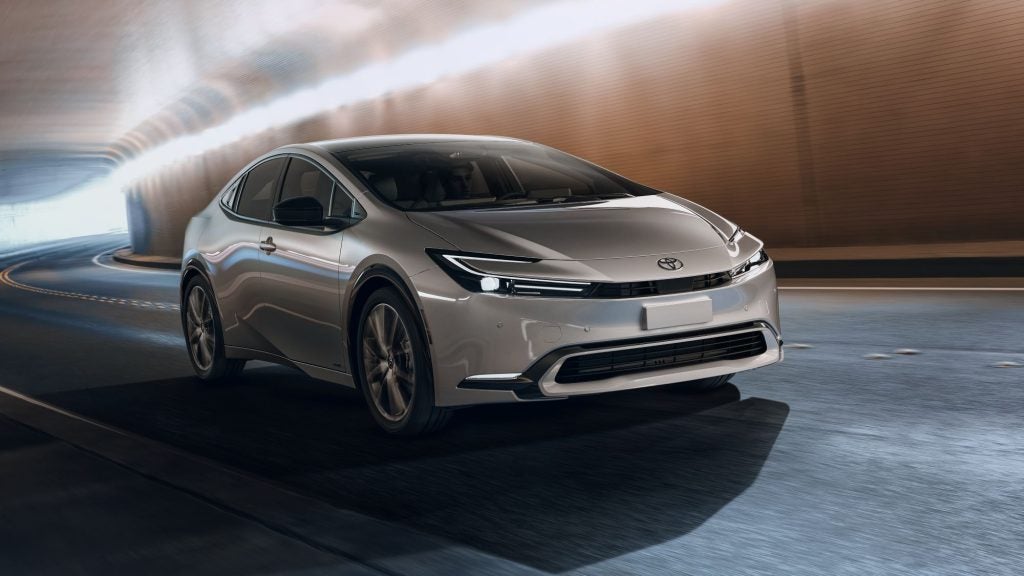
The 2024 Toyota Prius marks a significant step forward in hybrid automotive technology, blending remarkable efficiency with enhanced performance and state-of-the-art technological features. We're excited to introduce you to a Prius that defies expectations, offering an eco-friendly ride without compromising on power or the latest tech amenities. Explore the 2024 Prius and see how Toyota is reshaping the future of driving.

Advanced Hybrid Performance

The 2024 Toyota Prius boasts an updated powertrain featuring a 2.0-liter four-cylinder gas/electric hybrid drivetrain borrowed from the Corolla Cross hybrid crossover. This engine is paired with a continuously variable automatic transmission, delivering a combined output of 194 hp in front-wheel-drive (FWD) models. For those seeking even more capability, the all-wheel-drive (AWD) Prius adds a high-output permanent magnet electric motor to the rear axle, bumping the total powertrain output to an impressive 196 hp.

These enhancements enable the new Prius to achieve a remarkable zero to 60 mph acceleration time of 7.2 seconds for the FWD model and 7.0 seconds for AWD. MotorTrend says these are better than the 2024 Toyota Camry hybrid's 7.4 seconds. The larger front and rear brakes contribute to improved stopping power, with the Prius coming to a halt from 70 mph in a mere 171 feet. The Prius's driving dynamics have been further refined, offering a smoother, more responsive experience behind the wheel. Integrated regenerative braking seamlessly captures energy during deceleration, enhancing overall efficiency.

The Prius Prime plug-in hybrid delivers an astounding 220 hp for those seeking even more robust performance. This variant allows for electric-only driving, covering up to an EPA-estimated 44 miles on a single charge before the gasoline engine kicks in. With a zero to 60 mph time of just 6.6 seconds, the Prius Prime offers an exhilarating driving experience that rivals many conventional gasoline-powered vehicles.

Cutting-Edge Technology Features

The 2024 Toyota Prius has advanced technology features to elevate your driving experience. The infotainment system has been upgraded, with the base LE and XLE trim providing an 8.0-inch touch screen and the top-of-the-line Limited boasting a massive 12.3-inch display. This larger screen is optional on the XLE. The infotainment system includes intuitive "Hey, Toyota" voice control and over-the-air updates, ensuring your Prius always has the latest software enhancements.  

Standard features across all three trim levels of the Prius include wireless Apple CarPlay and Android Auto compatibility, Bluetooth connectivity, a three-month trial subscription to SiriusXM, and USB media and charging ports. The Limited trim has an eight-speaker JBP premium sound system, while the other two have six audio speakers. Wireless charging is standard on XLE and Limited.

The Prius also has an available color head-up display that projects critical information directly onto the windshield. Along with a standard 7-inch instrument cluster, the head-up display lets you keep your eyes on the road while staying informed. The digital rearview mirror offers a clear, unobstructed view of what's behind you, even when the cargo area is fully loaded.

Safety remains a top priority in the 2024 Prius, with an expanded suite of Toyota Safety Sense features. Enjoy peace of mind with standard automatic emergency braking with pedestrian detection, automatic high beams, lane departure warning, and lane-keep assist. These advanced driver-assistance technologies protect you and your passengers while enhancing your confidence behind the wheel. Blind-spot monitoring with rear cross-traffic alert is also standard, providing an extra layer of safety when changing lanes or backing out of parking spaces.

Eco-Friendly Innovations

The 2024 Toyota Prius continues to set the standard for fuel efficiency and environmental sustainability. With an EPA-estimated 57 mpg in the city, 56 mpg on the highway, and 57 mpg combined for FWD models, the Prius allows you to go further on less fuel. The AWD LE variant delivers an impressive 54 mpg combined. By reducing emissions and maximizing efficiency, the Prius demonstrates Toyota's unwavering commitment to a greener future.

Inside, you'll find a thoughtfully designed interior incorporating eco-friendly materials. From sustainable fabrics to recycled plastics, every aspect of the Prius reflects Toyota's holistic approach to environmental responsibility. The seats are made of high-quality, environmentally friendly materials, ensuring comfort and sustainability. Toyota's dedication to reducing its carbon footprint extends throughout the vehicle's lifecycle, from manufacturing to eventual recycling.

Comfort and Convenience

The Toyota Prius underwent a massive redesign in 2023, and the changes carry over to the 2024 model. Its exterior still features a sleek design, and the interior prioritizes passenger comfort and convenience. The cabin features premium materials and ergonomic design elements that create a welcoming and intuitive environment. Heated and ventilated SofTex-trimmed seats, additional rear cup holders, and a center armrest for the second-row seats provide extra comfort for all passengers.

The Prius also offers numerous storage solutions and thoughtful amenities throughout its interior. From the strategically placed charging ports to the ambient lighting that sets the perfect mood, every detail enhances your driving experience. The cargo area provides up to 23.8 cubic feet of space, enough for luggage, groceries, or any other items you need to transport. The Prius gives you even more storage space with the rear seats folded down, making it perfect for weekend getaways or extended trips.

Toyota designed the Prius's interior with the driver in mind, offering a cockpit-like experience that puts all essential controls within easy reach. The SofTex-trimmed steering wheel features intuitive buttons for audio, phone, and driver-assistance functions, allowing you to keep your hands on the wheel and focus on the road. The available power-adjustable driver's seat with lumbar support ensures optimal comfort, even on long drives.

Experience the Future Today With the 2024 Toyota Prius at Toyota Vallejo

Our Toyota Vallejo dealership team invites you to be among the first to experience the groundbreaking 2024 Toyota Prius. We're ready to answer any questions and help you discover how the Prius can revolutionize your daily commute. Contact us, visit our showroom, or explore our online inventory to learn about the other Toyota vehicles we offer. Embrace the future of driving with the 2024 Prius, and let our knowledgeable team be your guide on this exciting journey.

Posted in:

Related Posts

How Long Do Brake Pads Last Toyota Brake Pads

How Long Do Brake Pads Last?

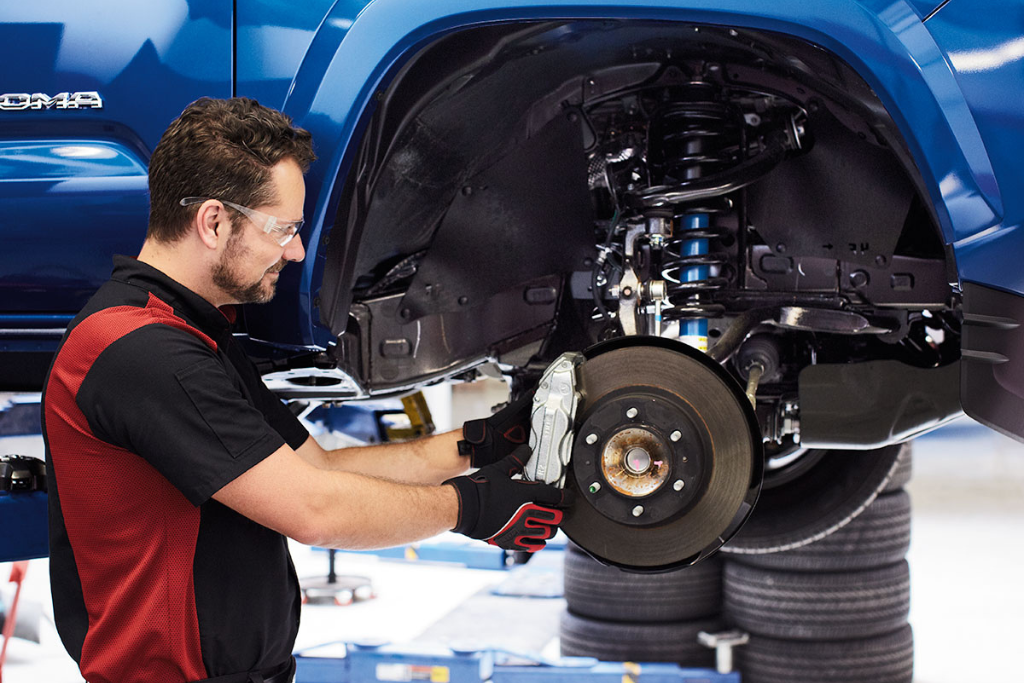
Brake pads are one of the most important safety components on your vehicle and understanding how long brake pads last can help you maintain safe braking performance while avoiding more costly brake repairs. Whether you're navigating stop-and-go Bay Area traffic, commuting along Interstate 80, or taking longer highway trips, routine brake inspections and timely brake pad replacement are essential for keeping your Toyota performing at its best. At Toyota Vallejo, one of the most common questions our service team hears is, "How long do brake pads last?" While there isn't a single answer, most brake pads typically last between 30,000 and 70,000 miles, depending on driving habits, road conditions, vehicle type, and the quality of the brake pad material. Frequent city driving, heavy braking, towing, and carrying additional weight can all shorten brake pad life, while consistent highway driving often allows brake pads to last longer. Knowing the warning signs of worn brake pads, understanding the factors that affect brake pad lifespan, and scheduling regular brake inspections can help protect your braking system, improve vehicle safety, and extend the life of other brake components. In this guide, we'll explain what impacts brake pad wear, when brake pads should be replaced, and how Toyota Vallejo can help keep your vehicle stopping safely and confidently. more How Long Do Brake Pads Last on a Toyota? While most Toyota brake pads last between 30,000 and 70,000 miles, the actual lifespan depends on how and where your vehicle is driven. Rather than relying on mileage alone, it's important to have your braking system inspected regularly to determine when brake pad replacement is needed. Driving conditions throughout Vallejo and the greater Bay Area can have a significant impact on brake wear. Frequent stop-and-go traffic, steep hills, daily commuting, and carrying heavy loads all require more braking, which naturally causes brake pads to wear more quickly than vehicles driven primarily on open highways. Several factors influence how long Toyota brake pads last, including: Driving habits Traffic conditions Vehicle weight Brake pad material Road terrain Towing or hauling Frequency of braking Front brake pads also typically wear faster than rear brake pads because the front braking system absorbs more force each time you slow or stop. Routine brake inspections are the most reliable way to monitor brake pad condition before braking performance begins to decline. During every brake inspection, the Toyota Certified Technicians at Toyota Vallejo measure brake pad thickness, inspect brake rotors and other brake components for wear, and recommend service based on your vehicle's condition and Toyota's factory specifications. This proactive approach helps maintain safe braking performance while preventing more extensive, and often more expensive, brake repairs. What Causes Brake Pads to Wear Out Faster? Brake pads are designed to wear over time as they create friction against the brake rotors to safely slow and stop your vehicle. While this is a normal part of routine vehicle maintenance, certain driving habits and road conditions can significantly reduce brake pad lifespan. Common causes of premature brake pad wear include: Frequent stop-and-go traffic Aggressive or hard braking Driving at higher speeds Carrying additional vehicle weight Towing trailers or heavy loads Driving on steep grades or hilly roads Worn or damaged brake rotors Low-quality or improperly fitted brake pads Drivers throughout Vallejo and the Bay Area often experience faster brake wear because daily commuting frequently involves traffic congestion, traffic signals, and repeated braking. These conditions generate additional heat and friction, causing brake pads to wear more quickly than vehicles driven primarily on highways. Hard braking, especially from higher speeds, places additional stress on both the brake pads and brake rotors. Over time, excessive heat can reduce braking efficiency and contribute to uneven brake wear if left unaddressed. Routine brake inspections can help identify uneven brake pad wear, rotor damage, and other brake system concerns before they develop into more costly repairs. At Toyota Vallejo, our Toyota Certified Technicians inspect your entire braking system and recommend the appropriate maintenance or brake pad replacement using quality parts designed to meet Toyota's performance and safety standards. Signs Your Brake Pads Need Replacing Brake pads rarely wear out without warning. In most cases, your vehicle will begin showing signs that it's time for a brake inspection or brake pad replacement. Recognizing these symptoms early can help protect your brake rotors, maintain safe stopping performance, and reduce the likelihood of more expensive brake repairs. Common Signs of Worn Brake Pads Squealing or squeaking noises Grinding noises when braking Longer stopping distances Brake pedal vibration or pulsation Vehicle pulling to one side while braking Brake warning light illuminated Reduced braking responsiveness or braking power Many modern brake pads include a built-in wear indicator that produces a high-pitched squealing sound when the brake pad material becomes thin. This is an early warning that it's time to have your brakes inspected. It’s important to know that not every squealing noise means your brake pads need to be replaced immediately. In some cases, brake dust, moisture, or debris can cause temporary brake noise. Brake dust is a normal byproduct of the braking process, consisting of fine particles from the brake pads and rotors that can accumulate on brake components and leave a dark residue on your wheels. While this type of squealing may not indicate excessive brake pad wear, any persistent brake noise should be inspected to determine the underlying cause. If the squealing progresses to a grinding noise, the brake pads may be completely worn through, allowing the metal backing plate to contact the brake rotor. Continuing to drive in this condition can damage the rotors, reduce braking performance, and significantly increase repair costs. If you notice any of these warning signs, don't wait for the problem to worsen. The Toyota Certified Technicians at Toyota Vallejo can inspect your brake pads, brake rotors, calipers, brake fluid, and the rest of your braking system to identify the source of the issue and recommend the appropriate repairs to keep your Toyota performing safely. If your brakes are making unusual noises, your vehicle isn't stopping as confidently as it should, or it's simply time for a routine brake inspection, our service team is here to help. The Toyota Certified Technicians at Toyota Vallejo use Toyota-approved parts and follow factory-recommended service procedures to help maintain the safety, reliability, and performance of your vehicle. Schedule your brake inspection or brake pad replacement at Toyota Vallejo today, and drive with confidence knowing your braking system is ready for every mile ahead. How Long Do Brake Rotors Last? Brake rotors typically last longer than brake pads and often remain in good condition for 50,000 to 70,000 miles or more. However, rotor lifespan depends on driving habits, road conditions, braking frequency, and whether brake pads are replaced before they become excessively worn. Brake rotors and brake pads work together to safely slow and stop your vehicle. Each time you apply the brakes, friction generates heat, gradually wearing both components. As brake rotors age, they can develop uneven wear, grooves, excessive runout, or heat-related damage that affects braking performance. Common signs that your brake rotors may need service include: Brake pedal vibration or pulsation Steering wheel vibration while braking Uneven or inconsistent braking performance Grinding noises Visible grooves, scoring, or excessive rotor wear Replacing brake pads at the recommended time can often help extend the life of your brake rotors and reduce the likelihood of more extensive brake repairs. During every brake inspection, the Toyota Certified Technicians at Toyota Vallejo measure rotor thickness, inspect rotor condition, and determine whether the rotors can continue to be used or should be replaced according to Toyota's factory specifications. Keeping both your brake pads and brake rotors in good condition helps ensure consistent stopping power, supports overall braking system performance, and contributes to the long-term safety and reliability of your Toyota. Brake Pads vs Rotors: What’s the Difference? Brake pads and brake rotors are two essential components of your vehicle's braking system. While they work together every time you press the brake pedal, each serves a different purpose in helping your Toyota slow down and stop safely. Brake Pads Brake pads are friction materials mounted inside the brake calipers. When you press the brake pedal, the calipers squeeze the brake pads against the brake rotors, creating the friction needed to reduce wheel speed and bring your vehicle to a controlled stop. Because brake pads absorb much of the friction and heat generated during braking, they naturally wear down over time and require periodic replacement as part of routine vehicle maintenance. Brake Rotors Brake rotors are durable metal discs attached to each wheel. They provide the smooth braking surface that the brake pads press against to slow the vehicle. Although brake rotors generally last longer than brake pads, they can wear, develop grooves, or become damaged from excessive heat or continued driving with worn brake pads. Since brake pads and brake rotors work as a system, the condition of one directly affects the performance of the other. Replacing worn brake pads before they cause damage to the rotors can help improve braking performance, extend the life of your braking system, and reduce long-term repair costs. Routine brake inspections performed by the Toyota Certified Technicians at Toyota Vallejo help ensure your brake pads, rotors, calipers, and other braking components are working together as designed. Regular maintenance helps keep your Toyota operating safely and according to Toyota's factory-recommended standards. How To Make Brake Pads Last Longer While brake pads are designed to wear over time, adopting good driving habits and following your recommended maintenance schedule can help extend brake pad life, reduce unnecessary brake wear, and support the long-term performance of your braking system. Tips To Extend Brake Pad Life Avoid hard or sudden braking whenever possible. Leave extra following distance between vehicles. Coast gradually when approaching stops. Reduce unnecessary vehicle weight. Follow posted speed limits. Schedule regular brake inspections. Replace worn brake pads before they damage the brake rotors. Smooth, controlled braking reduces the heat and friction placed on your brake pads, brake rotors, and other braking components. These simple driving habits can help maximize brake pad lifespan while contributing to a safer, more comfortable driving experience. Routine brake inspections are equally important. The Toyota Certified Technicians at Toyota Vallejo can monitor brake pad thickness, inspect your brake rotors and braking system, and identify normal wear before it develops into a more costly repair. Do Toyota Hybrid Brake Pads Last Longer? In many cases, yes. Toyota hybrid vehicles often experience less brake pad wear than comparable gasoline-powered models because they use regenerative braking technology. During normal driving, regenerative braking helps slow the vehicle while capturing energy and returning it to the hybrid battery. Because the electric motor assists with deceleration, the conventional brake pads are used less frequently, which can help extend their lifespan. Models such as the Toyota Prius, Camry Hybrid, Crown, Corolla Hybrid, RAV4 Hybrid, Highlander Hybrid, Grand Highlander Hybrid, and Toyota Sienna Hybrid may experience longer brake pad life under similar driving conditions compared to traditional gas-powered vehicles. Even with regenerative braking, regular brake inspections remain an important part of routine Toyota maintenance. The Toyota Certified Technicians at Toyota Vallejo inspect brake pads, brake rotors, brake fluid, and the entire braking system to help ensure your hybrid continues to deliver the safe, reliable performance you expect. Why Toyota Genuine Brake Pads Matter When it's time for brake pad replacement, choosing Toyota Genuine Brake Pads helps maintain the braking performance, safety, and reliability your Toyota was engineered to deliver. Unlike aftermarket brake pads that can vary in quality and fitment, Toyota Genuine Parts are designed specifically for your vehicle's braking system and manufactured to meet Toyota's strict performance and safety standards. Benefits of Toyota Genuine Brake Pads include: Consistent braking performance Proper fit and compatibility Reduced brake noise and vibration Durable materials designed for everyday driving Reduced wear on brake rotors Toyota-backed quality and engineering Using the correct brake pads not only supports predictable stopping performance but also helps protect other components within your braking system over time. At Toyota Vallejo, our Toyota Certified Technicians install Toyota Genuine Brake Pads and other Genuine Toyota Parts designed specifically for your Toyota model. Combined with a comprehensive brake inspection, this helps ensure your vehicle continues to perform the way Toyota intended. Schedule Brake Service at Toyota Vallejo Your braking system is one of the most important safety systems on your vehicle, and routine brake inspections are one of the best ways to help keep it performing at its best. Whether you've noticed squealing brakes, grinding noises, brake pedal vibration, longer stopping distances, or it's simply time for routine maintenance, addressing brake concerns early can help prevent more extensive repairs and maintain safe, reliable stopping power. At Toyota Vallejo, our Toyota Certified Technicians inspect your brake pads, brake rotors, calipers, brake fluid, and other critical braking components using Toyota's factory-recommended service procedures. If brake pad replacement or additional brake service is needed, we use Toyota Genuine Parts engineered specifically for your vehicle. We proudly provide professional Toyota brake service for drivers throughout Vallejo, Benicia, American Canyon, Fairfield, Napa, and the greater Solano County area, helping keep your Toyota ready for every commute, road trip, and adventure ahead. If your Toyota is due for a brake inspection or brake pad replacement, schedule your brake service at Toyota Vallejo today. Our team is here to help you drive with confidence, knowing your braking system is performing safely and reliably. Frequently Asked Questions About Brake Pads How often should brake pads be replaced? Most brake pads need to be replaced between 30,000 and 70,000 miles, although the exact interval depends on driving habits, traffic conditions, road terrain, vehicle weight, and brake pad material. Regular brake inspections are the best way to determine when your Toyota brake pads should be replaced based on their actual condition. What do worn brake pads sound like? Worn brake pads commonly produce squealing, squeaking, or grinding noises when braking. Squealing often indicates the brake pads are approaching the end of their service life, while grinding may signal that the brake pads have worn completely and are damaging the brake rotors. If you hear either sound, schedule a brake inspection as soon as possible. How long do Toyota brake pads last? Toyota brake pads typically last between 30,000 and 70,000 miles, depending on your driving style, road conditions, vehicle model, and whether you primarily drive in city traffic or on the highway. Routine brake inspections by Toyota Certified Technicians help ensure brake pads are replaced at the appropriate time. Do Toyota hybrid vehicles wear through brake pads faster? No. In many cases, Toyota hybrid vehicles experience slower brake pad wear because regenerative braking helps slow the vehicle while recovering energy for the hybrid battery. This reduces how often the conventional brake pads are engaged, which can help extend their lifespan. Regular brake inspections are still recommended to maintain safe braking performance. Can worn brake pads damage brake rotors? Yes. If brake pads become excessively worn, the metal backing plate can contact the brake rotors, creating metal-on-metal friction that may cause grooves, scoring, or other rotor damage. Replacing worn brake pads promptly can help protect your brake rotors, improve braking performance, and reduce the cost of future brake repairs.

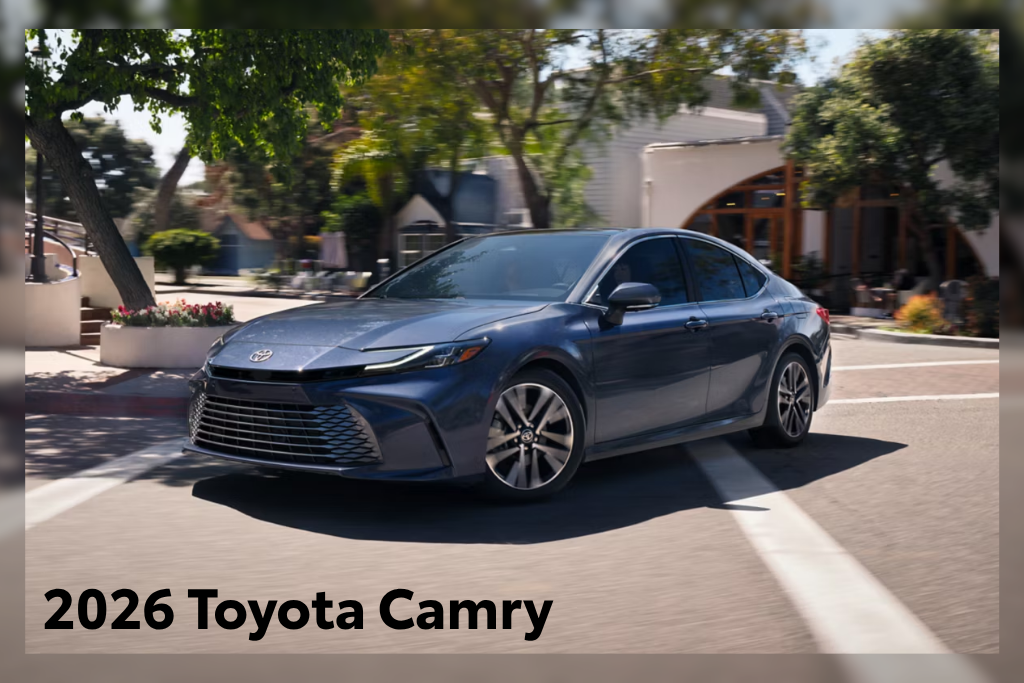
Blue 2026 Toyota Camry sedan driving through a sunny suburban street with trees and storefronts in the background.

2026 Toyota Camry: Specs, MPG, Features & What’s New

The 2026 Toyota Camry continues its evolution as one of the most efficient and well-equipped midsize sedans available today. Featuring a standard hybrid powertrain across every trim, available electronic on-demand all-wheel drive, advanced Toyota Safety Sense™ 3.0 technology, and impressive fuel economy ratings, the latest Camry delivers a balance of performance, comfort, and everyday practicality. For drivers searching for a fuel-efficient hybrid sedan, the 2026 Toyota Camry offers strong MPG ratings, responsive acceleration, modern connectivity features, and a refined cabin designed for daily commuting and long-distance travel alike. Whether you're looking to reduce fuel costs, upgrade your family vehicle, or enjoy the benefits of Toyota's proven hybrid technology, the Camry remains a standout choice in the midsize sedan segment. At Toyota Vallejo, drivers throughout Vallejo, Fairfield, Napa, Benicia, and the greater Bay Area continue to choose the Toyota Camry for its reputation for reliability, long-term value, and advanced safety features. New for 2026, shoppers can explore a variety of trim levels, including the sporty Nightshade Edition, premium interior upgrades, enhanced technology features, and available all-wheel drive capability. If you're wondering "What is new on the 2026 Toyota Camry?", the answer starts with its all-hybrid lineup, updated styling, intuitive multimedia system, and driver-assistance technologies designed to make every drive safer and more enjoyable. Combined with excellent fuel efficiency and Toyota's trusted engineering, the 2026 Camry continues to set the benchmark for modern midsize sedans. more What’s New on the 2026 Toyota Camry? The 2026 Toyota Camry builds on the extensive redesign introduced for the 2025 model year, carrying forward its bold ninth-generation styling, standard hybrid powertrain, and advanced technology features. For 2026, Toyota adds new appearance upgrades, expanded premium features, and the introduction of the sporty Nightshade Edition, giving drivers even more ways to personalize their midsize sedan. One of the most notable additions to the 2026 Toyota Camry lineup is the new Nightshade Edition, which features black exterior accents, unique badging, and exclusive wheel designs for a more aggressive, athletic appearance. Toyota also introduces the eye-catching Dark Cosmos exterior color, adding another modern styling option for drivers seeking a distinctive look. The 2026 Toyota Camry hybrid remains available exclusively with Toyota’s proven hybrid powertrain, delivering impressive fuel efficiency, responsive performance, and a smooth driving experience. Drivers can also choose available Electronic On-Demand All-Wheel Drive (AWD) for added confidence in changing road and weather conditions. Notable Updates for the 2026 Toyota Camry: New Nightshade Edition trim level Available Dark Cosmos exterior color Standard hybrid powertrain across all trims Available Electronic On-Demand All-Wheel Drive (AWD) Updated infotainment and digital displays Expanded premium interior amenities Enhanced exterior styling and trim-specific design elements For drivers throughout Vallejo, Fairfield, Napa, Benicia, and the Bay Area, the 2026 Toyota Camry continues to offer a practical combination of fuel efficiency, comfort, advanced technology, and everyday versatility. Its hybrid-only lineup makes it an appealing choice for commuters looking to reduce fuel costs without sacrificing performance, convenience, or modern features. 2026 Toyota Camry MPG, Hybrid System & Performance The 2026 Toyota Camry delivers exceptional fuel efficiency and responsive performance thanks to its standard hybrid powertrain. Every Camry model comes equipped with Toyota's latest hybrid technology, combining a 2.5-liter four-cylinder engine with electric motor assistance to provide strong acceleration, impressive MPG ratings, and a refined driving experience. Whether you're navigating Bay Area traffic or taking longer highway trips, the Camry offers a balance of efficiency and performance that continues to set the standard in the midsize sedan segment. One of the most frequently asked questions is: "How many MPG does the 2026 Toyota Camry get?" Depending on trim level and drivetrain configuration, the Camry achieves up to an EPA-estimated 51 MPG combined, making it one of the most fuel-efficient midsize sedans available. 2026 Toyota Camry Performance Specs Every 2026 Toyota Camry hybrid is engineered to deliver smooth power and confident handling. Up to 225 combined horsepower (FWD) Up to 232 combined horsepower (AWD) 2.5-liter four-cylinder hybrid powertrain Electronically Controlled Continuously Variable Transmission (ECVT) Available Electronic On-Demand All-Wheel Drive (AWD) Sport-tuned suspension available on SE, Nightshade, and XSE trims Responsive acceleration with smooth, quiet operation Estimated 2026 Toyota Camry MPG Ratings The 2026 Toyota Camry hybrid offers impressive fuel economy across the lineup: Trim Level Estimated Combined MPG Camry LE FWD Up to 51 MPG Camry LE AWD Up to 50 MPG Camry SE FWD Up to 47 MPG Camry XLE FWD Up to 47 MPG Camry Nightshade FWD Up to 47 MPG Camry XSE FWD Up to 44-46 MPG* *Actual EPA ratings may vary based on equipment and drivetrain configuration. For drivers throughout Vallejo, Fairfield, Napa, Benicia, and the greater Bay Area, these fuel economy ratings can translate into significant savings at the pump over the life of the vehicle. The hybrid system is especially beneficial for commuters who spend time in stop-and-go traffic, where regenerative braking and electric motor assistance help maximize efficiency. Unlike some competitors that prioritize fuel economy at the expense of driving enjoyment, the 2026 Toyota Camry Hybrid delivers a composed ride, responsive handling, and confident highway performance. The result is a midsize sedan that feels comfortable during daily commutes while remaining capable and enjoyable on longer road trips. 2026 Toyota Camry Trim Levels and Features The 2026 Toyota Camry is available in five distinct trim levels, allowing drivers to choose the combination of fuel efficiency, comfort, technology, and sporty styling that best fits their needs. Whether you're looking for a value-focused daily commuter or a premium midsize sedan loaded with advanced features, the Camry lineup offers a model for nearly every type of driver. 2026 Toyota Camry Trim Levels Camry LE Camry SE Camry Nightshade Edition Camry XLE Camry XSE Each trim level comes standard with Toyota's hybrid powertrain and Toyota Safety Sense™ 3.0, while higher trims add premium amenities, upgraded technology, and distinctive styling enhancements. Camry LE The 2026 Toyota Camry LE serves as the foundation of the lineup, offering exceptional fuel efficiency, advanced safety technology, and a comfortable interior at an accessible price point. It's an excellent choice for drivers focused on value and everyday practicality. Camry SE The 2026 Toyota Camry SE adds a sportier personality with athletic exterior styling, unique interior accents, and a sport-tuned suspension designed to deliver a more engaging driving experience. Camry Nightshade Edition New for 2026, the Toyota Camry Nightshade Edition builds on the SE trim with bold blacked-out styling elements and exclusive design details that create a more aggressive appearance. Camry XLE The 2026 Toyota Camry XLE focuses on premium comfort and convenience, featuring upgraded interior materials, enhanced technology, and additional luxury-oriented amenities designed to elevate daily driving. Camry XSE For drivers who want both upscale features and athletic styling, the 2026 Toyota Camry XSE combines premium interior appointments with sport-inspired design cues and performance-focused suspension tuning. 2026 Toyota Camry Nightshade Edition Features One of the most anticipated additions to the lineup is the new Nightshade Edition, which offers a distinctive appearance package that stands out from the rest of the Camry family. Key Nightshade Edition features include: Gloss-black exterior accents Black exterior badging Satin-black 19-inch alloy wheels Sport-inspired exterior styling Available Electronic On-Demand AWD Darkened trim details for a more aggressive look The 2026 Toyota Camry Nightshade Edition is expected to be especially popular among drivers who want the efficiency and practicality of a hybrid sedan while adding a more athletic and modern design aesthetic. Whether you prioritize maximum fuel economy, premium comfort, advanced technology, or sporty styling, the 2026 Toyota Camry trim lineup provides a wide range of options to match different driving preferences and lifestyles. 2026 Toyota Camry Interior, Technology & Comfort Features The 2026 Toyota Camry offers a refined interior designed to balance comfort, convenience, and modern technology. Whether you're commuting through Bay Area traffic, running daily errands, or heading out on a weekend road trip, the Camry's thoughtfully designed cabin provides a comfortable and connected driving experience for both drivers and passengers. Building on the redesigned interior introduced with the ninth-generation Camry, the 2026 model continues to emphasize premium materials, intuitive controls, excellent visibility, and user-friendly technology. Available upgrades throughout the lineup allow drivers to choose the level of comfort and sophistication that best fits their lifestyle. 2026 Toyota Camry Interior Features The Camry comes equipped with a wide range of standard and available amenities designed to enhance comfort and connectivity. 8-inch Toyota Audio Multimedia touchscreen Available 12.3-inch touchscreen display Wireless Apple CarPlay® compatibility Wireless Android Auto™ compatibility Wireless smartphone charging Digital gauge cluster Dual-zone automatic climate control Available heated front seats Available ventilated front seats Available panoramic glass roof Available JBL® premium audio system Push-button start with Smart Key Multiple USB-C charging ports throughout the cabin The Camry’s spacious cabin also provides generous rear-seat legroom and practical cargo space, making it ideal for daily commuting, grocery runs, weekend travel, and family use throughout Northern California. Toyota’s infotainment system remains easy to use with responsive controls and intuitive menus, helping drivers stay connected while minimizing distractions on the road. Advanced Technology and Connectivity The 2026 Toyota Camry technology package helps drivers stay connected while keeping controls simple and intuitive. Toyota's latest multimedia system offers responsive touchscreen functionality, voice commands, smartphone integration, and available connected services designed to enhance convenience behind the wheel. Drivers can easily access navigation, music, messaging, and vehicle information through the available large-format display, while wireless smartphone connectivity helps reduce cable clutter and improve everyday usability. Spacious Comfort for Everyday Driving The 2026 Toyota Camry interior is designed with comfort and practicality in mind. Spacious seating for up to five passengers, generous rear-seat legroom, and versatile cargo space make the Camry a strong choice for families, commuters, and active lifestyles alike. Whether you're traveling across Northern California or simply navigating your daily routine, the Camry provides a quiet, comfortable cabin that helps reduce driver fatigue and enhances passenger comfort. Premium trims such as the XLE and XSE further elevate the experience with upgraded materials, additional convenience features, and enhanced interior styling. For drivers seeking a midsize sedan that combines modern technology, everyday comfort, and practical versatility, the 2026 Toyota Camry continues to deliver one of the most well-rounded interiors in its class. 2026 Toyota Camry Safety Features and Driver Assistance Technology The 2026 Toyota Camry continues to be one of the safest midsize sedans in its class, thanks to its comprehensive suite of standard driver-assistance technologies and advanced safety systems. Every model comes equipped with Toyota Safety Sense™ 3.0, helping drivers stay aware of their surroundings and providing added confidence during everyday driving. For shoppers asking, "Is the 2026 Toyota Camry safe?", the answer is simple: the Camry includes a wide range of standard and available safety features designed to help prevent accidents, protect occupants, and enhance overall driver awareness. Standard Toyota Safety Sense™ 3.0 Features Every 2026 Toyota Camry comes standard with: Pre-Collision System with Pedestrian Detection Full-Speed Dynamic Radar Cruise Control Lane Departure Alert with Steering Assist Lane Tracing Assist Road Sign Assist Automatic High Beams Proactive Driving Assist These systems work together to help drivers maintain safe following distances, stay centered within their lane, identify road signs, and react to potential hazards more effectively. Available Advanced Safety Features Drivers seeking additional convenience and visibility can choose from several available safety and driver-assistance technologies, including: Blind Spot Monitor Rear Cross-Traffic Alert Safe Exit Assist Front and Rear Parking Assist with Automatic Braking Panoramic View Monitor These available features can be especially useful when navigating busy Bay Area highways, crowded parking lots, and urban traffic conditions throughout Vallejo, Fairfield, Napa, Benicia, and surrounding communities. Confidence Behind the Wheel In addition to its advanced technology, the 2026 Toyota Camry Hybrid continues Toyota's reputation for building vehicles with strong safety performance. Combined with its durable construction, responsive handling, and comprehensive driver-assistance systems, the Camry remains a top choice for drivers seeking both peace of mind and everyday practicality. Is the 2026 Toyota Camry a Good Car for Bay Area Drivers? The 2026 Toyota Camry is exceptionally well-suited for life in Northern California. With outstanding fuel efficiency, available all-wheel drive, advanced safety technology, and Toyota's proven reputation for reliability, the Camry offers many of the qualities Bay Area drivers prioritize most in a daily vehicle. Whether you're commuting across the Carquinez Bridge, navigating Interstate 80 traffic, or taking weekend trips through Napa Valley and beyond, the Camry delivers a comfortable, efficient, and confidence-inspiring driving experience. Why Bay Area Drivers Choose the 2026 Toyota Camry Drivers throughout Vallejo and the surrounding region can benefit from: Exceptional hybrid fuel economy Lower long-term fuel costs Available Electronic On-Demand All-Wheel Drive Comfortable highway and commuter performance Advanced Toyota Safety Sense™ 3.0 technology Easy maneuverability in urban environments Proven Toyota hybrid reliability Strong resale value Low ownership and maintenance costs For many households, the Camry strikes an ideal balance between efficiency, comfort, technology, and long-term value. Where to Find the 2026 Toyota Camry Near Vallejo, CA The 2026 Toyota Camry continues to raise the bar for midsize sedans by combining impressive hybrid efficiency, advanced technology, modern safety features, and everyday practicality. With a standard hybrid powertrain, available Electronic On-Demand All-Wheel Drive, premium interior amenities, and Toyota Safety Sense™ 3.0 across the lineup, the Camry delivers the performance, comfort, and confidence today's drivers expect. Whether you're searching for a fuel-efficient commuter vehicle, a comfortable family sedan, or a dependable long-term investment, the 2026 Toyota Camry offers a well-rounded package designed to fit a variety of lifestyles. Its impressive MPG ratings, refined ride quality, available AWD capability, and advanced connectivity features make it one of the most compelling choices in the midsize sedan segment. For drivers throughout Vallejo, Fairfield, Napa, Benicia, American Canyon, and the greater Bay Area, the Camry continues to stand out as a smart choice for navigating daily commutes, weekend road trips, and everything in between. Shop the 2026 Toyota Camry at Toyota Vallejo If you're ready to explore the 2026 Toyota Camry, Toyota Vallejo is your local destination for the latest Toyota vehicles, expert guidance, and exceptional customer service. Our team is here to help you compare trim levels, learn about hybrid performance and fuel economy, explore available features, and find the Camry that best fits your needs. Browse our new Toyota inventory online, contact Toyota Vallejo for the latest 2026 Toyota Camry availability, or visit our dealership in Vallejo, CA, to experience the newest Camry in person and take a test drive. Frequently Asked Questions About the 2026 Toyota Camry 1. Is the 2026 Toyota Camry hybrid only? Yes. Every 2026 Toyota Camry comes standard with Toyota’s hybrid powertrain, combining a 2.5-liter four-cylinder engine with electric motor assistance. The hybrid-only lineup delivers impressive fuel economy, responsive performance, and smooth drivability without requiring external charging. 2. What is the MPG for the 2026 Toyota Camry? The most fuel-efficient 2026 Toyota Camry models achieve up to an EPA-estimated 51 MPG combined. Fuel economy varies by trim level and drivetrain configuration, but every Camry offers excellent efficiency for daily commuting and long-distance travel. 3. Does the 2026 Toyota Camry offer all-wheel drive? Yes. Electronic On-Demand All-Wheel Drive (AWD) is available across all five Camry trim levels, providing additional traction and confidence in changing road and weather conditions. 4. What trim levels are available on the 2026 Toyota Camry? The 2026 Camry lineup includes five trim levels: LE SE Nightshade Edition XLE XSE Each trim offers its own combination of styling, technology, comfort, and performance features. 5. How much horsepower does the 2026 Toyota Camry have? The 2026 Toyota Camry Hybrid produces up to 225 combined horsepower in front-wheel drive models and up to 232 combined horsepower in models equipped with available all-wheel drive.. 6. What engine does the 2026 Toyota Camry have? Every 2026 Toyota Camry is powered by a 2.5-liter four-cylinder hybrid powertrain paired with Toyota's latest hybrid system technology and an Electronically Controlled Continuously Variable Transmission (ECVT). 7. Is the 2026 Toyota Camry a good car for commuting? Yes. The 2026 Toyota Camry is an excellent choice for commuters thanks to its exceptional fuel economy, comfortable ride quality, advanced driver-assistance features, and available all-wheel drive capability. Its hybrid powertrain is especially beneficial for drivers navigating stop-and-go traffic throughout the Bay Area. 8. What safety features come standard on the 2026 Toyota Camry? Every 2026 Toyota Camry comes equipped with Toyota Safety Sense™ 3.0, which includes: Pre-Collision System with Pedestrian Detection Full-Speed Dynamic Radar Cruise Control Lane Departure Alert with Steering Assist Lane Tracing Assist Road Sign Assist Automatic High Beams Proactive Driving Assist These advanced safety technologies help enhance driver awareness and confidence on the road. 9. Does the 2026 Toyota Camry have Apple CarPlay and Android Auto? Yes. The 2026 Toyota Camry comes standard with wireless Apple CarPlay® and wireless Android Auto™ compatibility, allowing drivers to seamlessly connect compatible smartphones for navigation, messaging, music, and more. 10. Is the 2026 Toyota Camry worth buying? The 2026 Toyota Camry is an excellent choice for drivers seeking a fuel-efficient midsize sedan with standard hybrid performance, available AWD, advanced safety technology, modern interior features, and Toyota's proven reputation for reliability. With up to 51 MPG combined and Toyota Safety Sense™ 3.0 standard across the lineup, the Camry offers outstanding value for commuters, families, and everyday drivers alike.


How to Rest the Maintenance Light on Your Toyota

How to Reset the Toyota Maintenance Required Light

If the Toyota Maintenance Required light has appeared on your dashboard, don't worry. In most cases, it isn't warning you of a mechanical problem. Instead, it's a routine maintenance reminder that lets you know it's time for scheduled service, such as an oil change, tire rotation, or other factory-recommended maintenance. After your Toyota has been serviced, you'll need to reset the Maintenance Required light so the system can begin tracking the next maintenance interval. While the reset process is straightforward, the exact steps can vary depending on your Toyota's model year and whether it has a traditional key ignition or a push-button start system. In this guide, you'll learn how to reset the Toyota Maintenance Required light on both older and newer Toyota models, what the light actually means, why it may not reset, and when it's time to schedule professional Toyota service. If you're in Vallejo, Fairfield, Napa, Benicia, American Canyon, or anywhere in Solano County, the certified technicians at Toyota Vallejo are here to help keep your Toyota performing at its best. more What Does the Toyota Maintenance Required Light Mean? The Toyota Maintenance Required light is a factory-programmed maintenance reminder that lets you know it's time for scheduled service. On many Toyota models, the light typically illuminates about every 5,000 miles to remind you that routine maintenance, such as a Toyota oil change, tire rotation, fluid inspection, or other factory-recommended services, may be due. Always refer to your owner's manual or maintenance schedule for the recommended service intervals for your specific Toyota model. It's important to know that the Toyota Maintenance Required light is different from the Check Engine Light. The maintenance reminder is triggered by mileage or predetermined service intervals and does not indicate a mechanical failure, engine problem, or system malfunction. By comparison, the Check Engine Light alerts you to a potential issue that should be diagnosed by a qualified technician. After your scheduled maintenance has been completed, the maintenance reminder should be reset so your Toyota can begin tracking the next recommended service interval. Keeping up with routine maintenance helps maximize performance, improve reliability, and extend the life of your Toyota. How to Reset the Maintenance Required Light The steps to reset the Toyota Maintenance Required light vary by model year, trim level, and whether your Toyota has a traditional key ignition or a push-button start system. The instructions below apply to many Toyota vehicles, but menu names and reset procedures may differ depending on your specific model. If you're unsure, refer to your Toyota Owner's Manual or contact Toyota Vallejo for assistance. How to Reset the Maintenance Required Light on Toyota Models with a Traditional Key Ignition If your Toyota has a traditional key ignition, follow these steps after completing your scheduled maintenance: Insert the key into the ignition and turn it to the On position without starting the engine. Press the Trip or Odometer Reset button until Trip A or ODO appears on the instrument display, depending on your model. Turn the ignition to the Off position. Press and hold the Trip Reset button. While continuing to hold the button, turn the ignition back to the On position without starting the engine. Continue holding the button until the maintenance reminder begins flashing or the odometer countdown reaches zero. Once the reset is complete, the Toyota Maintenance Required light should turn off. How to Reset the Maintenance Required Light on Toyota Models with Push-Button Start Many newer Toyota vehicles allow you to reset the maintenance reminder through the Multi-Information Display (MID) or the vehicle's settings menu. Press the Start button twice without pressing the brake pedal to place the vehicle in Ignition On mode. Use the steering wheel controls to navigate to the Settings menu on the Multi-Information Display. Select Vehicle Settings, Maintenance Reset, or Scheduled Maintenance, depending on your Toyota model. Choose Reset and confirm your selection. The Toyota Maintenance Required light should clear, allowing the system to begin tracking your next factory-recommended maintenance interval. Because Toyota has updated its infotainment systems and instrument clusters over the years, menu names and reset procedures may vary slightly between models. If you cannot find the maintenance reset option or the reminder does not clear, consult your Toyota Owner's Manual or schedule service with the certified technicians at Toyota Vallejo. Maintenance Required Light vs. Check Engine Light The Toyota Maintenance Required light and the Check Engine Light are often mistaken for one another, but they indicate very different conditions. The Maintenance Required light is a scheduled service reminder based on mileage or maintenance intervals, while the Check Engine Light alerts you to a potential problem that should be diagnosed. Toyota Maintenance Required Light Check Engine Light Reminds you when scheduled maintenance is due Indicates a detected engine, emissions, or vehicle system issue Typically illuminates around every 5,000 miles on many Toyota models Can illuminate at any time when the vehicle detects a problem Usually resets after routine maintenance has been completed May require diagnostic testing, repairs, and clearing of diagnostic trouble codes Does not typically indicate a mechanical failure Indicates a condition that should be inspected by a qualified technician If your Toyota Maintenance Required light is on, it's generally a reminder to schedule routine maintenance such as an oil change, tire rotation, or other factory-recommended service. However, if your Check Engine Light comes on, it's important to have your vehicle inspected as soon as possible. Prompt diagnostics can help identify the cause, prevent additional damage, and keep your Toyota operating safely and efficiently. If you're in Vallejo, Fairfield, Napa, Benicia, American Canyon, or elsewhere in Solano County, the certified service team at Toyota Vallejo can diagnose warning lights and help keep your Toyota running at its best. What If the Toyota Maintenance Required Light Won't Reset? If you've completed your scheduled maintenance and the Toyota Maintenance Required light won't reset, don't panic. In most cases, the issue is related to the reset procedure rather than a problem with the vehicle itself. Here are a few common reasons the maintenance reminder may remain illuminated: The incorrect reset procedure was used. Toyota reset instructions vary by model year, trim level, and whether your vehicle has a traditional key ignition or push-button start. The reset sequence wasn't completed correctly. Releasing the Trip Reset button too early or selecting the wrong menu option can prevent the reset from finishing. The maintenance reminder wasn't reset after service. If an oil change or other scheduled maintenance was performed but the reminder wasn't cleared, the light will remain on until the reset is completed. Your Toyota may require additional inspection. Although the Maintenance Required light is typically a routine service reminder, if it continues to appear unexpectedly after multiple reset attempts, it's a good idea to have the vehicle inspected to verify everything is functioning properly. If you've followed the correct reset procedure and the Toyota Maintenance Required light still won't turn off, the certified service technicians at Toyota Vallejo can inspect your vehicle, verify that all factory-recommended maintenance has been completed, and ensure the maintenance reminder system is operating correctly. Whether you're visiting from Vallejo, Fairfield, Napa, Benicia, American Canyon, or elsewhere in Solano County, our team is here to help keep your Toyota running like a Toyota. Why Routine Toyota Maintenance Matters Routine Toyota maintenance is one of the best investments you can make in the long-term performance, safety, and reliability of your vehicle. The Toyota Maintenance Required light is designed to help you stay on track with your factory-recommended maintenance schedule, making it easier to remember important services like oil changes, tire rotations, fluid inspections, and other routine maintenance. Resetting the maintenance reminder after each completed service allows your Toyota to accurately track the next recommended maintenance interval. At Toyota Vallejo, our certified technicians reset the Maintenance Required light as part of every qualifying oil change and tire rotation service, so your vehicle is ready to accurately monitor your next scheduled maintenance interval. Staying current with scheduled maintenance can help maximize engine performance, improve fuel efficiency, reduce unnecessary wear on critical components, and extend the life of your vehicle. Whether you drive a Toyota Camry, Corolla, RAV4, Tacoma, Tundra, Highlander, 4Runner, Prius, or another Toyota model, following the manufacturer's recommended maintenance schedule helps protect your investment and supports dependable performance for years to come. Whether you're commuting through Vallejo, traveling along Interstate 80, exploring Napa Valley, or driving throughout Solano County, regular Toyota service helps ensure your vehicle is ready for every mile ahead. Schedule Toyota Service at Toyota Vallejo If your Toyota Maintenance Required light is on, the expert service team at Toyota Vallejo is here to help. Our factory-trained Toyota technicians perform routine maintenance and repairs using Genuine Toyota Parts and Toyota-recommended service procedures to help keep your vehicle running safely, efficiently, and reliably. Whether your Toyota is due for an oil change, tire rotation, factory-scheduled maintenance, battery service, brake inspection, fluid replacement, or a comprehensive multi-point inspection, you can count on our team to provide professional care tailored to your vehicle's needs. Conveniently located in Vallejo, we proudly serve Toyota drivers throughout Benicia, American Canyon, Fairfield, Napa, Richmond, Vacaville, Solano County, and the surrounding Bay Area. No matter which Toyota model you drive, we're committed to helping you protect your investment and enjoy dependable performance for years to come. Schedule your Toyota service appointment at Toyota Vallejo today and let our certified technicians help keep your Toyota performing at its best. Frequently Asked Questions About the Toyota Maintenance Required Light Why is my Toyota Maintenance Required light on? The Toyota Maintenance Required light is a factory-programmed reminder that lets you know your vehicle is due for scheduled maintenance. On many Toyota models, it typically illuminates around every 5,000 miles to remind you that services such as an oil change, tire rotation, or other factory-recommended maintenance may be due. Can I drive with the Toyota Maintenance Required light on? Yes. In most cases, you can continue driving safely because the Toyota Maintenance Required light is a routine service reminder rather than a warning of a mechanical problem. However, you should schedule maintenance as soon as it's convenient to help maintain your Toyota's performance, efficiency, and long-term reliability. Is the Maintenance Required light the same as the Check Engine Light? No. The Toyota Maintenance Required light reminds you when scheduled maintenance is due based on mileage or service intervals. The Check Engine Light indicates your Toyota has detected a potential issue with the engine, emissions system, or another vehicle system that should be diagnosed by a qualified technician. Why won't my Toyota Maintenance Required light reset? If the Toyota Maintenance Required light won't reset, the reset procedure may not have been completed correctly, or your Toyota may require a different reset process based on its model year and trim level. If the light remains on after multiple attempts, Toyota Vallejo can inspect your vehicle and verify that the maintenance reminder system is functioning properly. How often should I service my Toyota? Most Toyota vehicles should receive routine maintenance approximately every 5,000 miles or six months, whichever comes first, although recommended service intervals vary by model, model year, and driving conditions. Following the maintenance schedule in your Toyota Owner's Manual is the best way to help maximize reliability, safety, and vehicle longevity. Can I reset the Toyota Maintenance Required light without servicing my vehicle? Yes, you can manually reset the Toyota Maintenance Required light, but you should only do so after completing the recommended maintenance. Resetting the reminder without servicing your Toyota may cause you to miss important maintenance intervals that help protect your vehicle's performance and reliability. Does resetting the Toyota Maintenance Required light fix a problem? No. Resetting the Toyota Maintenance Required light only clears the maintenance reminder and restarts the service interval tracking. It does not repair mechanical issues or turn off the Check Engine Light, which requires proper diagnosis if a problem is detected.