
Blog / Schedule Service

How to Reset the Toyota Maintenance Required Light

How to Rest the Maintenance Light on Your Toyota

If the Toyota Maintenance Required light has appeared on your dashboard, don't worry. In most cases, it isn't warning you of a mechanical problem. Instead, it's a routine maintenance reminder that lets you know it's time for scheduled service, such as an oil change, tire rotation, or other factory-recommended maintenance.

After your Toyota has been serviced, you'll need to reset the Maintenance Required light so the system can begin tracking the next maintenance interval. While the reset process is straightforward, the exact steps can vary depending on your Toyota's model year and whether it has a traditional key ignition or a push-button start system.

In this guide, you'll learn how to reset the Toyota Maintenance Required light on both older and newer Toyota models, what the light actually means, why it may not reset, and when it's time to schedule professional Toyota service. If you're in Vallejo, Fairfield, Napa, Benicia, American Canyon, or anywhere in Solano County, the certified technicians at Toyota Vallejo are here to help keep your Toyota performing at its best.

What Does the Toyota Maintenance Required Light Mean?

The Toyota Maintenance Required light is a factory-programmed maintenance reminder that lets you know it's time for scheduled service. On many Toyota models, the light typically illuminates about every 5,000 miles to remind you that routine maintenance, such as a Toyota oil change, tire rotation, fluid inspection, or other factory-recommended services, may be due. Always refer to your owner's manual or maintenance schedule for the recommended service intervals for your specific Toyota model.

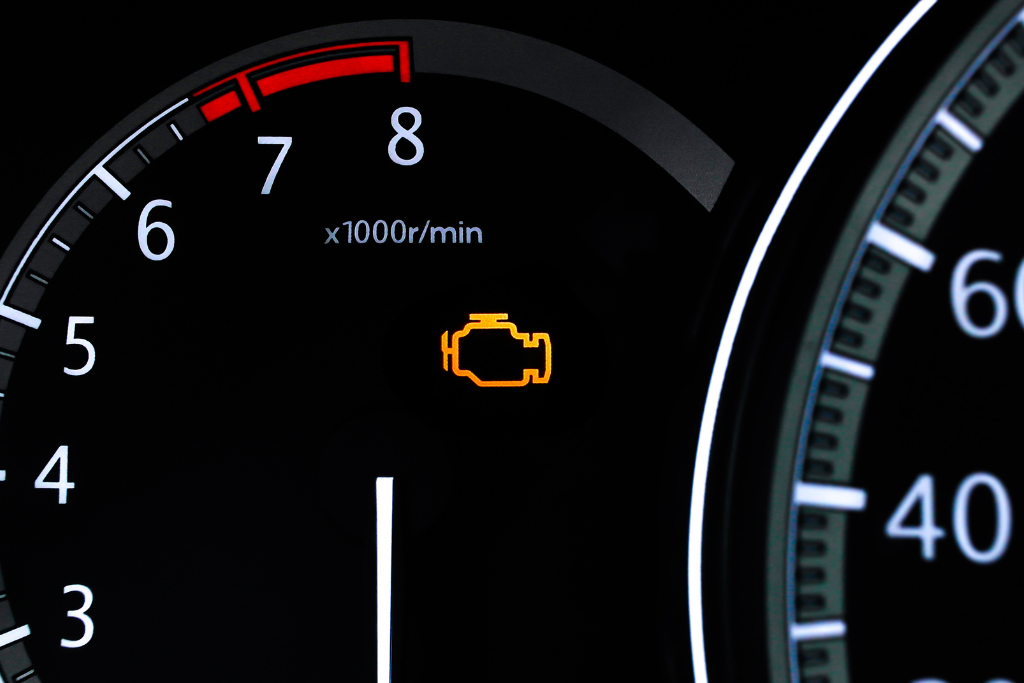
It's important to know that the Toyota Maintenance Required light is different from the Check Engine Light. The maintenance reminder is triggered by mileage or predetermined service intervals and does not indicate a mechanical failure, engine problem, or system malfunction. By comparison, the Check Engine Light alerts you to a potential issue that should be diagnosed by a qualified technician.

After your scheduled maintenance has been completed, the maintenance reminder should be reset so your Toyota can begin tracking the next recommended service interval. Keeping up with routine maintenance helps maximize performance, improve reliability, and extend the life of your Toyota.

How to Reset the Maintenance Required Light

The steps to reset the Toyota Maintenance Required light vary by model year, trim level, and whether your Toyota has a traditional key ignition or a push-button start system. The instructions below apply to many Toyota vehicles, but menu names and reset procedures may differ depending on your specific model. If you're unsure, refer to your Toyota Owner's Manual or contact Toyota Vallejo for assistance.

How to Reset the Maintenance Required Light on Toyota Models with a Traditional Key Ignition

If your Toyota has a traditional key ignition, follow these steps after completing your scheduled maintenance:

  1. Insert the key into the ignition and turn it to the On position without starting the engine.
  2. Press the Trip or Odometer Reset button until Trip A or ODO appears on the instrument display, depending on your model.
  3. Turn the ignition to the Off position.
  4. Press and hold the Trip Reset button.
  5. While continuing to hold the button, turn the ignition back to the On position without starting the engine.
  6. Continue holding the button until the maintenance reminder begins flashing or the odometer countdown reaches zero. Once the reset is complete, the Toyota Maintenance Required light should turn off.

How to Reset the Maintenance Required Light on Toyota Models with Push-Button Start

Many newer Toyota vehicles allow you to reset the maintenance reminder through the Multi-Information Display (MID) or the vehicle's settings menu.

  1. Press the Start button twice without pressing the brake pedal to place the vehicle in Ignition On mode.
  2. Use the steering wheel controls to navigate to the Settings menu on the Multi-Information Display.
  3. Select Vehicle Settings, Maintenance Reset, or Scheduled Maintenance, depending on your Toyota model.
  4. Choose Reset and confirm your selection.
  5. The Toyota Maintenance Required light should clear, allowing the system to begin tracking your next factory-recommended maintenance interval.

Because Toyota has updated its infotainment systems and instrument clusters over the years, menu names and reset procedures may vary slightly between models. If you cannot find the maintenance reset option or the reminder does not clear, consult your Toyota Owner's Manual or schedule service with the certified technicians at Toyota Vallejo.

Maintenance Required Light vs. Check Engine Light

The Toyota Maintenance Required light and the Check Engine Light are often mistaken for one another, but they indicate very different conditions. The Maintenance Required light is a scheduled service reminder based on mileage or maintenance intervals, while the Check Engine Light alerts you to a potential problem that should be diagnosed.

Toyota Maintenance Required Light Check Engine Light
Reminds you when scheduled maintenance is due Indicates a detected engine, emissions, or vehicle system issue
Typically illuminates around every 5,000 miles on many Toyota models Can illuminate at any time when the vehicle detects a problem
Usually resets after routine maintenance has been completed May require diagnostic testing, repairs, and clearing of diagnostic trouble codes
Does not typically indicate a mechanical failure Indicates a condition that should be inspected by a qualified technician

If your Toyota Maintenance Required light is on, it's generally a reminder to schedule routine maintenance such as an oil change, tire rotation, or other factory-recommended service. However, if your Check Engine Light comes on, it's important to have your vehicle inspected as soon as possible. Prompt diagnostics can help identify the cause, prevent additional damage, and keep your Toyota operating safely and efficiently.

If you're in Vallejo, Fairfield, Napa, Benicia, American Canyon, or elsewhere in Solano County, the certified service team at Toyota Vallejo can diagnose warning lights and help keep your Toyota running at its best.

What If the Toyota Maintenance Required Light Won't Reset?

If you've completed your scheduled maintenance and the Toyota Maintenance Required light won't reset, don't panic. In most cases, the issue is related to the reset procedure rather than a problem with the vehicle itself.

Here are a few common reasons the maintenance reminder may remain illuminated:

  • The incorrect reset procedure was used. Toyota reset instructions vary by model year, trim level, and whether your vehicle has a traditional key ignition or push-button start.
  • The reset sequence wasn't completed correctly. Releasing the Trip Reset button too early or selecting the wrong menu option can prevent the reset from finishing.
  • The maintenance reminder wasn't reset after service. If an oil change or other scheduled maintenance was performed but the reminder wasn't cleared, the light will remain on until the reset is completed.
  • Your Toyota may require additional inspection. Although the Maintenance Required light is typically a routine service reminder, if it continues to appear unexpectedly after multiple reset attempts, it's a good idea to have the vehicle inspected to verify everything is functioning properly.

If you've followed the correct reset procedure and the Toyota Maintenance Required light still won't turn off, the certified service technicians at Toyota Vallejo can inspect your vehicle, verify that all factory-recommended maintenance has been completed, and ensure the maintenance reminder system is operating correctly. Whether you're visiting from Vallejo, Fairfield, Napa, Benicia, American Canyon, or elsewhere in Solano County, our team is here to help keep your Toyota running like a Toyota.

Why Routine Toyota Maintenance Matters

Routine Toyota maintenance is one of the best investments you can make in the long-term performance, safety, and reliability of your vehicle. The Toyota Maintenance Required light is designed to help you stay on track with your factory-recommended maintenance schedule, making it easier to remember important services like oil changes, tire rotations, fluid inspections, and other routine maintenance.

Resetting the maintenance reminder after each completed service allows your Toyota to accurately track the next recommended maintenance interval. At Toyota Vallejo, our certified technicians reset the Maintenance Required light as part of every qualifying oil change and tire rotation service, so your vehicle is ready to accurately monitor your next scheduled maintenance interval. Staying current with scheduled maintenance can help maximize engine performance, improve fuel efficiency, reduce unnecessary wear on critical components, and extend the life of your vehicle.

Whether you drive a Toyota Camry, Corolla, RAV4, Tacoma, Tundra, Highlander, 4Runner, Prius, or another Toyota model, following the manufacturer's recommended maintenance schedule helps protect your investment and supports dependable performance for years to come.

Whether you're commuting through Vallejo, traveling along Interstate 80, exploring Napa Valley, or driving throughout Solano County, regular Toyota service helps ensure your vehicle is ready for every mile ahead.

Schedule Toyota Service at Toyota Vallejo

If your Toyota Maintenance Required light is on, the expert service team at Toyota Vallejo is here to help. Our factory-trained Toyota technicians perform routine maintenance and repairs using Genuine Toyota Parts and Toyota-recommended service procedures to help keep your vehicle running safely, efficiently, and reliably.

Whether your Toyota is due for an oil change, tire rotation, factory-scheduled maintenance, battery service, brake inspection, fluid replacement, or a comprehensive multi-point inspection, you can count on our team to provide professional care tailored to your vehicle's needs.

Conveniently located in Vallejo, we proudly serve Toyota drivers throughout Benicia, American Canyon, Fairfield, Napa, Richmond, Vacaville, Solano County, and the surrounding Bay Area. No matter which Toyota model you drive, we're committed to helping you protect your investment and enjoy dependable performance for years to come.

Schedule your Toyota service appointment at Toyota Vallejo today and let our certified technicians help keep your Toyota performing at its best.

Frequently Asked Questions About the Toyota Maintenance Required Light

Why is my Toyota Maintenance Required light on?

The Toyota Maintenance Required light is a factory-programmed reminder that lets you know your vehicle is due for scheduled maintenance. On many Toyota models, it typically illuminates around every 5,000 miles to remind you that services such as an oil change, tire rotation, or other factory-recommended maintenance may be due.

Can I drive with the Toyota Maintenance Required light on?

Yes. In most cases, you can continue driving safely because the Toyota Maintenance Required light is a routine service reminder rather than a warning of a mechanical problem. However, you should schedule maintenance as soon as it's convenient to help maintain your Toyota's performance, efficiency, and long-term reliability.

Is the Maintenance Required light the same as the Check Engine Light?

No. The Toyota Maintenance Required light reminds you when scheduled maintenance is due based on mileage or service intervals. The Check Engine Light indicates your Toyota has detected a potential issue with the engine, emissions system, or another vehicle system that should be diagnosed by a qualified technician.

Why won't my Toyota Maintenance Required light reset?

If the Toyota Maintenance Required light won't reset, the reset procedure may not have been completed correctly, or your Toyota may require a different reset process based on its model year and trim level. If the light remains on after multiple attempts, Toyota Vallejo can inspect your vehicle and verify that the maintenance reminder system is functioning properly.

How often should I service my Toyota?

Most Toyota vehicles should receive routine maintenance approximately every 5,000 miles or six months, whichever comes first, although recommended service intervals vary by model, model year, and driving conditions. Following the maintenance schedule in your Toyota Owner's Manual is the best way to help maximize reliability, safety, and vehicle longevity.

Can I reset the Toyota Maintenance Required light without servicing my vehicle?

Yes, you can manually reset the Toyota Maintenance Required light, but you should only do so after completing the recommended maintenance. Resetting the reminder without servicing your Toyota may cause you to miss important maintenance intervals that help protect your vehicle's performance and reliability.

Does resetting the Toyota Maintenance Required light fix a problem?

No. Resetting the Toyota Maintenance Required light only clears the maintenance reminder and restarts the service interval tracking. It does not repair mechanical issues or turn off the Check Engine Light, which requires proper diagnosis if a problem is detected.
Posted in:

Related Posts

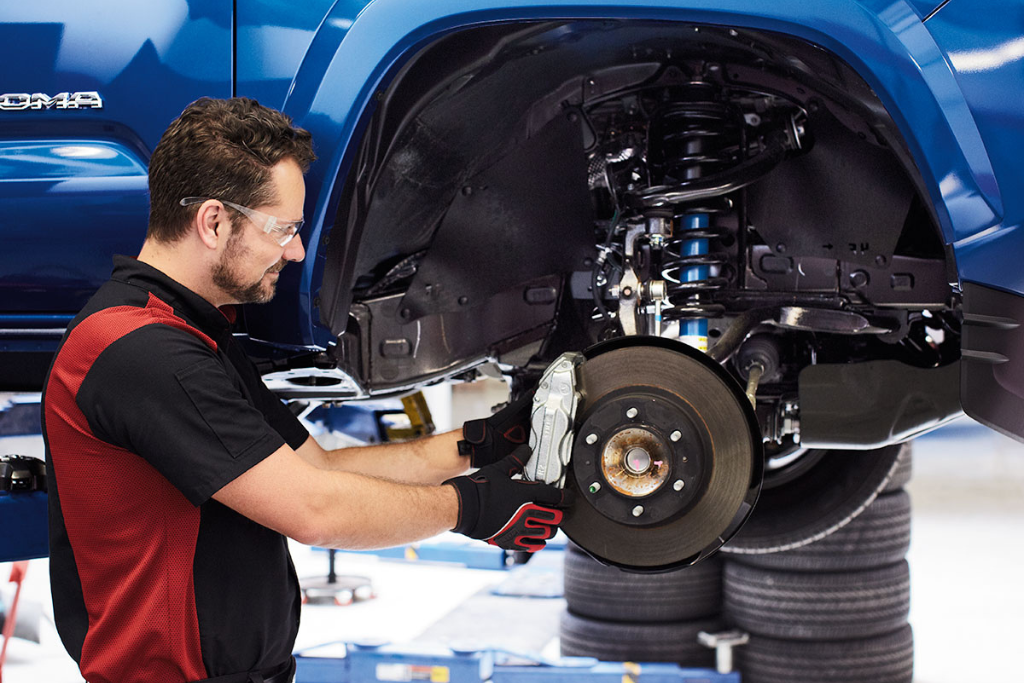
How Long Do Brake Pads Last Toyota Brake Pads

How Long Do Brake Pads Last?

Brake pads are one of the most important safety components on your vehicle and understanding how long brake pads last can help you maintain safe braking performance while avoiding more costly brake repairs. Whether you're navigating stop-and-go Bay Area traffic, commuting along Interstate 80, or taking longer highway trips, routine brake inspections and timely brake pad replacement are essential for keeping your Toyota performing at its best. At Toyota Vallejo, one of the most common questions our service team hears is, "How long do brake pads last?" While there isn't a single answer, most brake pads typically last between 30,000 and 70,000 miles, depending on driving habits, road conditions, vehicle type, and the quality of the brake pad material. Frequent city driving, heavy braking, towing, and carrying additional weight can all shorten brake pad life, while consistent highway driving often allows brake pads to last longer. Knowing the warning signs of worn brake pads, understanding the factors that affect brake pad lifespan, and scheduling regular brake inspections can help protect your braking system, improve vehicle safety, and extend the life of other brake components. In this guide, we'll explain what impacts brake pad wear, when brake pads should be replaced, and how Toyota Vallejo can help keep your vehicle stopping safely and confidently. more How Long Do Brake Pads Last on a Toyota? While most Toyota brake pads last between 30,000 and 70,000 miles, the actual lifespan depends on how and where your vehicle is driven. Rather than relying on mileage alone, it's important to have your braking system inspected regularly to determine when brake pad replacement is needed. Driving conditions throughout Vallejo and the greater Bay Area can have a significant impact on brake wear. Frequent stop-and-go traffic, steep hills, daily commuting, and carrying heavy loads all require more braking, which naturally causes brake pads to wear more quickly than vehicles driven primarily on open highways. Several factors influence how long Toyota brake pads last, including: Driving habits Traffic conditions Vehicle weight Brake pad material Road terrain Towing or hauling Frequency of braking Front brake pads also typically wear faster than rear brake pads because the front braking system absorbs more force each time you slow or stop. Routine brake inspections are the most reliable way to monitor brake pad condition before braking performance begins to decline. During every brake inspection, the Toyota Certified Technicians at Toyota Vallejo measure brake pad thickness, inspect brake rotors and other brake components for wear, and recommend service based on your vehicle's condition and Toyota's factory specifications. This proactive approach helps maintain safe braking performance while preventing more extensive, and often more expensive, brake repairs. What Causes Brake Pads to Wear Out Faster? Brake pads are designed to wear over time as they create friction against the brake rotors to safely slow and stop your vehicle. While this is a normal part of routine vehicle maintenance, certain driving habits and road conditions can significantly reduce brake pad lifespan. Common causes of premature brake pad wear include: Frequent stop-and-go traffic Aggressive or hard braking Driving at higher speeds Carrying additional vehicle weight Towing trailers or heavy loads Driving on steep grades or hilly roads Worn or damaged brake rotors Low-quality or improperly fitted brake pads Drivers throughout Vallejo and the Bay Area often experience faster brake wear because daily commuting frequently involves traffic congestion, traffic signals, and repeated braking. These conditions generate additional heat and friction, causing brake pads to wear more quickly than vehicles driven primarily on highways. Hard braking, especially from higher speeds, places additional stress on both the brake pads and brake rotors. Over time, excessive heat can reduce braking efficiency and contribute to uneven brake wear if left unaddressed. Routine brake inspections can help identify uneven brake pad wear, rotor damage, and other brake system concerns before they develop into more costly repairs. At Toyota Vallejo, our Toyota Certified Technicians inspect your entire braking system and recommend the appropriate maintenance or brake pad replacement using quality parts designed to meet Toyota's performance and safety standards. Signs Your Brake Pads Need Replacing Brake pads rarely wear out without warning. In most cases, your vehicle will begin showing signs that it's time for a brake inspection or brake pad replacement. Recognizing these symptoms early can help protect your brake rotors, maintain safe stopping performance, and reduce the likelihood of more expensive brake repairs. Common Signs of Worn Brake Pads Squealing or squeaking noises Grinding noises when braking Longer stopping distances Brake pedal vibration or pulsation Vehicle pulling to one side while braking Brake warning light illuminated Reduced braking responsiveness or braking power Many modern brake pads include a built-in wear indicator that produces a high-pitched squealing sound when the brake pad material becomes thin. This is an early warning that it's time to have your brakes inspected. It’s important to know that not every squealing noise means your brake pads need to be replaced immediately. In some cases, brake dust, moisture, or debris can cause temporary brake noise. Brake dust is a normal byproduct of the braking process, consisting of fine particles from the brake pads and rotors that can accumulate on brake components and leave a dark residue on your wheels. While this type of squealing may not indicate excessive brake pad wear, any persistent brake noise should be inspected to determine the underlying cause. If the squealing progresses to a grinding noise, the brake pads may be completely worn through, allowing the metal backing plate to contact the brake rotor. Continuing to drive in this condition can damage the rotors, reduce braking performance, and significantly increase repair costs. If you notice any of these warning signs, don't wait for the problem to worsen. The Toyota Certified Technicians at Toyota Vallejo can inspect your brake pads, brake rotors, calipers, brake fluid, and the rest of your braking system to identify the source of the issue and recommend the appropriate repairs to keep your Toyota performing safely. If your brakes are making unusual noises, your vehicle isn't stopping as confidently as it should, or it's simply time for a routine brake inspection, our service team is here to help. The Toyota Certified Technicians at Toyota Vallejo use Toyota-approved parts and follow factory-recommended service procedures to help maintain the safety, reliability, and performance of your vehicle. Schedule your brake inspection or brake pad replacement at Toyota Vallejo today, and drive with confidence knowing your braking system is ready for every mile ahead. How Long Do Brake Rotors Last? Brake rotors typically last longer than brake pads and often remain in good condition for 50,000 to 70,000 miles or more. However, rotor lifespan depends on driving habits, road conditions, braking frequency, and whether brake pads are replaced before they become excessively worn. Brake rotors and brake pads work together to safely slow and stop your vehicle. Each time you apply the brakes, friction generates heat, gradually wearing both components. As brake rotors age, they can develop uneven wear, grooves, excessive runout, or heat-related damage that affects braking performance. Common signs that your brake rotors may need service include: Brake pedal vibration or pulsation Steering wheel vibration while braking Uneven or inconsistent braking performance Grinding noises Visible grooves, scoring, or excessive rotor wear Replacing brake pads at the recommended time can often help extend the life of your brake rotors and reduce the likelihood of more extensive brake repairs. During every brake inspection, the Toyota Certified Technicians at Toyota Vallejo measure rotor thickness, inspect rotor condition, and determine whether the rotors can continue to be used or should be replaced according to Toyota's factory specifications. Keeping both your brake pads and brake rotors in good condition helps ensure consistent stopping power, supports overall braking system performance, and contributes to the long-term safety and reliability of your Toyota. Brake Pads vs Rotors: What’s the Difference? Brake pads and brake rotors are two essential components of your vehicle's braking system. While they work together every time you press the brake pedal, each serves a different purpose in helping your Toyota slow down and stop safely. Brake Pads Brake pads are friction materials mounted inside the brake calipers. When you press the brake pedal, the calipers squeeze the brake pads against the brake rotors, creating the friction needed to reduce wheel speed and bring your vehicle to a controlled stop. Because brake pads absorb much of the friction and heat generated during braking, they naturally wear down over time and require periodic replacement as part of routine vehicle maintenance. Brake Rotors Brake rotors are durable metal discs attached to each wheel. They provide the smooth braking surface that the brake pads press against to slow the vehicle. Although brake rotors generally last longer than brake pads, they can wear, develop grooves, or become damaged from excessive heat or continued driving with worn brake pads. Since brake pads and brake rotors work as a system, the condition of one directly affects the performance of the other. Replacing worn brake pads before they cause damage to the rotors can help improve braking performance, extend the life of your braking system, and reduce long-term repair costs. Routine brake inspections performed by the Toyota Certified Technicians at Toyota Vallejo help ensure your brake pads, rotors, calipers, and other braking components are working together as designed. Regular maintenance helps keep your Toyota operating safely and according to Toyota's factory-recommended standards. How To Make Brake Pads Last Longer While brake pads are designed to wear over time, adopting good driving habits and following your recommended maintenance schedule can help extend brake pad life, reduce unnecessary brake wear, and support the long-term performance of your braking system. Tips To Extend Brake Pad Life Avoid hard or sudden braking whenever possible. Leave extra following distance between vehicles. Coast gradually when approaching stops. Reduce unnecessary vehicle weight. Follow posted speed limits. Schedule regular brake inspections. Replace worn brake pads before they damage the brake rotors. Smooth, controlled braking reduces the heat and friction placed on your brake pads, brake rotors, and other braking components. These simple driving habits can help maximize brake pad lifespan while contributing to a safer, more comfortable driving experience. Routine brake inspections are equally important. The Toyota Certified Technicians at Toyota Vallejo can monitor brake pad thickness, inspect your brake rotors and braking system, and identify normal wear before it develops into a more costly repair. Do Toyota Hybrid Brake Pads Last Longer? In many cases, yes. Toyota hybrid vehicles often experience less brake pad wear than comparable gasoline-powered models because they use regenerative braking technology. During normal driving, regenerative braking helps slow the vehicle while capturing energy and returning it to the hybrid battery. Because the electric motor assists with deceleration, the conventional brake pads are used less frequently, which can help extend their lifespan. Models such as the Toyota Prius, Camry Hybrid, Crown, Corolla Hybrid, RAV4 Hybrid, Highlander Hybrid, Grand Highlander Hybrid, and Toyota Sienna Hybrid may experience longer brake pad life under similar driving conditions compared to traditional gas-powered vehicles. Even with regenerative braking, regular brake inspections remain an important part of routine Toyota maintenance. The Toyota Certified Technicians at Toyota Vallejo inspect brake pads, brake rotors, brake fluid, and the entire braking system to help ensure your hybrid continues to deliver the safe, reliable performance you expect. Why Toyota Genuine Brake Pads Matter When it's time for brake pad replacement, choosing Toyota Genuine Brake Pads helps maintain the braking performance, safety, and reliability your Toyota was engineered to deliver. Unlike aftermarket brake pads that can vary in quality and fitment, Toyota Genuine Parts are designed specifically for your vehicle's braking system and manufactured to meet Toyota's strict performance and safety standards. Benefits of Toyota Genuine Brake Pads include: Consistent braking performance Proper fit and compatibility Reduced brake noise and vibration Durable materials designed for everyday driving Reduced wear on brake rotors Toyota-backed quality and engineering Using the correct brake pads not only supports predictable stopping performance but also helps protect other components within your braking system over time. At Toyota Vallejo, our Toyota Certified Technicians install Toyota Genuine Brake Pads and other Genuine Toyota Parts designed specifically for your Toyota model. Combined with a comprehensive brake inspection, this helps ensure your vehicle continues to perform the way Toyota intended. Schedule Brake Service at Toyota Vallejo Your braking system is one of the most important safety systems on your vehicle, and routine brake inspections are one of the best ways to help keep it performing at its best. Whether you've noticed squealing brakes, grinding noises, brake pedal vibration, longer stopping distances, or it's simply time for routine maintenance, addressing brake concerns early can help prevent more extensive repairs and maintain safe, reliable stopping power. At Toyota Vallejo, our Toyota Certified Technicians inspect your brake pads, brake rotors, calipers, brake fluid, and other critical braking components using Toyota's factory-recommended service procedures. If brake pad replacement or additional brake service is needed, we use Toyota Genuine Parts engineered specifically for your vehicle. We proudly provide professional Toyota brake service for drivers throughout Vallejo, Benicia, American Canyon, Fairfield, Napa, and the greater Solano County area, helping keep your Toyota ready for every commute, road trip, and adventure ahead. If your Toyota is due for a brake inspection or brake pad replacement, schedule your brake service at Toyota Vallejo today. Our team is here to help you drive with confidence, knowing your braking system is performing safely and reliably. Frequently Asked Questions About Brake Pads How often should brake pads be replaced? Most brake pads need to be replaced between 30,000 and 70,000 miles, although the exact interval depends on driving habits, traffic conditions, road terrain, vehicle weight, and brake pad material. Regular brake inspections are the best way to determine when your Toyota brake pads should be replaced based on their actual condition. What do worn brake pads sound like? Worn brake pads commonly produce squealing, squeaking, or grinding noises when braking. Squealing often indicates the brake pads are approaching the end of their service life, while grinding may signal that the brake pads have worn completely and are damaging the brake rotors. If you hear either sound, schedule a brake inspection as soon as possible. How long do Toyota brake pads last? Toyota brake pads typically last between 30,000 and 70,000 miles, depending on your driving style, road conditions, vehicle model, and whether you primarily drive in city traffic or on the highway. Routine brake inspections by Toyota Certified Technicians help ensure brake pads are replaced at the appropriate time. Do Toyota hybrid vehicles wear through brake pads faster? No. In many cases, Toyota hybrid vehicles experience slower brake pad wear because regenerative braking helps slow the vehicle while recovering energy for the hybrid battery. This reduces how often the conventional brake pads are engaged, which can help extend their lifespan. Regular brake inspections are still recommended to maintain safe braking performance. Can worn brake pads damage brake rotors? Yes. If brake pads become excessively worn, the metal backing plate can contact the brake rotors, creating metal-on-metal friction that may cause grooves, scoring, or other rotor damage. Replacing worn brake pads promptly can help protect your brake rotors, improve braking performance, and reduce the cost of future brake repairs.

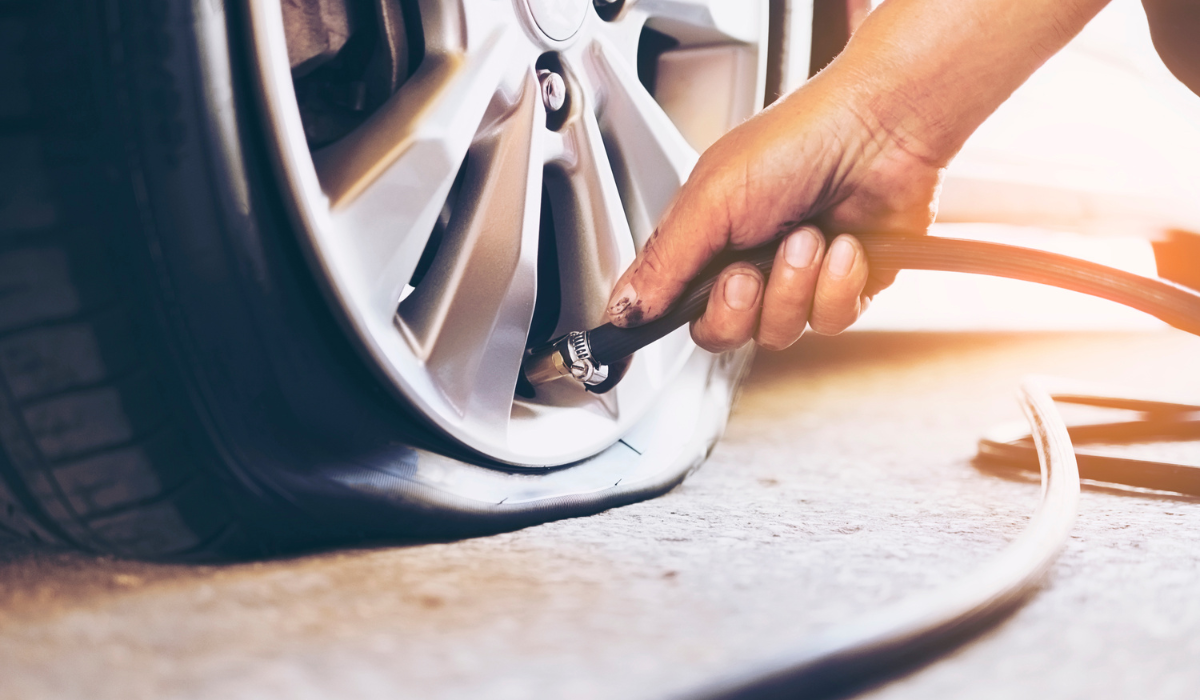
Toyota Vallejo Service Center employee inflating a flat tire on a Toyota vehicle using an air hose attached to the wheel valve.

What to Do When Your Toyota Gets a Flat Tire

A flat tire can happen to anyone, even the most careful driver. The good news is that with the right steps, you can handle it safely and get your Toyota back on the road in no time. Whether it’s a slow leak, a puncture from a nail, or a sudden blowout, knowing how to respond helps you protect your vehicle and avoid costly repairs. This guide from Toyota Vallejo walks you through exactly what to do when your Toyota gets a flat tire, how to stay safe, and how to prevent it from happening again. more How to Tell If You Have a Flat Tire Sometimes a flat tire happens suddenly, but other times it develops slowly. Watch for these warning signs while driving: A thumping or flapping sound coming from one wheel Steering that feels heavy or pulls to one side Rough handling or vibration in the steering wheel A tire pressure warning light on your dashboard If your Toyota’s Tire Pressure Monitoring System (TPMS) light comes on, pull over as soon as it’s safe. Even if the tire doesn’t look flat, low pressure can cause damage or lead to a blowout. Step 1: Pull Over Safely If you suspect a flat tire, slow down gradually and look for a safe place to stop. Avoid braking hard or turning sharply. Turn on your hazard lights to alert other drivers. Choose a flat surface away from traffic, such as a wide shoulder or parking lot, and engage the parking brake. Step 2: Check the Tire Once you have stopped safely, step out and inspect your tires. Look for visible punctures, cracks, or a tire that looks lower than the rest. If the tire is completely flat or has separated from the rim, it will need to be replaced. Step 3: Change the Tire or Call for Help If you have a spare tire and the tools to change it, you can do it yourself. Most Toyota vehicles come with a jack, lug wrench, and either a compact spare or a tire repair kit. Before starting, make sure the car is on level ground and the parking brake is set. If you are not comfortable changing the tire, call ToyotaCare Roadside Assistance. Every new Toyota includes this service for two years or 25,000 miles, and extended coverage is available for many models. ToyotaCare can arrange assistance to change your flat tire or transport your vehicle to Toyota Vallejo. If you are traveling, your vehicle may be transported to the nearest Toyota Service Center for service. Step 4: How to Change a Flat Tire If you decide to change the tire yourself, follow these steps carefully: Retrieve your spare tire, car jack, and lug wrench. Place wheel chocks or heavy objects behind the tires to prevent rolling. Loosen the lug nuts slightly before lifting the car. Position the jack under the frame and raise the vehicle until the flat tire is off the ground. Remove the lug nuts and take off the flat tire. Mount the spare tire and hand-tighten the nuts. Lower the car and tighten the nuts in a crisscross pattern. Compact spare tires are meant for short distances only. Drive no faster than 50 miles per hour and go directly to a service center. Step 5: Visit Toyota Vallejo for Tire Repair or Replacement After using your spare, schedule an appointment at the Toyota Vallejo Service Center. Our factory-trained technicians can inspect your damaged tire to see if it can be repaired or if a replacement is needed. We use genuine Toyota tires made for your vehicle to ensure safety and performance. If your other tires show signs of wear or uneven tread, our team can rotate, balance, or replace them to help prevent future flats. Step 6: Prevent Flat Tires in the Future Routine tire care is the best way to avoid being stranded. Follow these tips: Check your tire pressure monthly and before long trips. Rotate your tires every 5,000 to 7,500 miles. Inspect tires regularly for cracks, cuts, or bulges. Avoid potholes and debris whenever possible. Replace your tires when tread depth is too low or when handling changes. Toyota Vallejo offers tire inspections, rotations, and alignments to help extend the life of your tires and maintain a smooth ride. Stay Safe and Ready with Toyota Vallejo A flat tire can interrupt your day, but being prepared makes it much easier to handle. Whether you need a quick roadside repair, a tire replacement, or a professional inspection, Toyota Vallejo is here to help. Our certified service team will get your Toyota back on the road quickly and safely using the right tools and genuine Toyota parts. FAQs About Flat Tires How far can I drive on a flat tire? Driving on a flat tire can damage your wheel and suspension. Drive only far enough to reach a safe area. Does ToyotaCare cover flat tire repairs? Yes. ToyotaCare provides 24-hour roadside assistance that includes tire service. What is the correct tire pressure for my Toyota? Most Toyota vehicles require between 32 and 35 PSI. Check the label inside your driver’s door or your owner’s manual. Can I use a tire repair kit instead of a spare? Many newer Toyotas include a tire repair kit instead of a full-size spare. These kits are for temporary use only until you reach a service center.

Dashboard close-up with yellow check engine light on, illustrating the step-by-step process to check your vehicle and visit the Toyota Vallejo Service Center for diagnostics.

What to Do When The Check Engine Light Comes On

When your check engine light comes on, it can be worrying. Sometimes the cause is small, like a loose gas cap. Other times it signals a more serious problem that requires immediate service. Knowing what to do when your check engine light comes on can help you avoid costly repairs and keep your Toyota safe on the road. At Toyota Vallejo, our service center is staffed with Toyota-trained technicians who know your vehicle inside and out. We use Genuine Toyota parts and the latest diagnostic tools to quickly find and fix the problem. Here’s a step-by-step guide to understanding and responding to your check engine light. more Step by Step – What to Do When Your Check Engine Light Comes On When the light comes on, follow these steps: Stay calm. Look for other warning signs such as loss of power, strange odors, or rough idling. Check your gas cap. Tighten it securely. Sometimes the light will reset after a few trips if the cap was the issue. Note if the light is solid or flashing. Solid means service soon, flashing means stop and assess immediately. Use a diagnostic tool if you have one. An OBD2 scanner can read error codes that point to the cause. Schedule service at Toyota Vallejo. Our trained technicians will perform full diagnostics, identify the exact problem, and recommend the best repair. What Does the Check Engine Light Mean? Your check engine light is part of your Toyota’s onboard diagnostic system. When it comes on, it means your vehicle’s computer has detected a problem in the engine, emissions, or drivetrain system. Minor issues can trigger it, such as a loose or faulty gas cap. Serious issues like an oxygen sensor failure, catalytic converter problem, or ignition misfire can also be the cause. The light itself will not tell you the exact issue, which is why professional diagnostics are important. Flashing vs Solid Check Engine Light Solid light: This usually means there is a problem that should be addressed soon. You may notice reduced performance or lower fuel efficiency. Flashing light: This signals a serious problem such as an engine misfire. Driving further can cause severe damage. If the light is flashing, stop driving as soon as it is safe and schedule service immediately. 6 Common Reasons Your Check Engine Light May Be On The check engine light is one of the most common dashboard warnings. These are the top causes: Loose or faulty gas cap – If fuel vapors escape, the system detects a leak and turns on the light. Oxygen sensor failure – A bad sensor reduces fuel efficiency and increases emissions. Catalytic converter issue – When this fails, performance drops and emissions increase. Mass airflow sensor problem – Can cause rough idling, poor acceleration, or stalling. Worn spark plugs or ignition issues – Often result in misfires and engine shaking. Weak battery or charging issue – Electrical malfunctions can trigger the light. Why Choose Toyota Vallejo’s Service Center? Toyota Vallejo Service Center is committed to keeping your vehicle performing at its best. Toyota-trained technicians with thousands of hours of experience. Genuine Toyota parts for quality and reliability. Advanced diagnostic equipment designed for Toyota vehicles. Convenient location in Vallejo serving Fairfield and Napa drivers. Full range of services including diagnostics, repairs, and factory scheduled maintenance. The Toyota Vallejo Service Center Promise: we provide expert care you can trust. Whether your check engine light points to a simple fix or a complex repair, our team is ready to help. Schedule your appointment today. FAQs About the Check Engine Light Is it safe to drive with the check engine light on? If the light is solid and the car feels normal, short trips are usually safe. Still, schedule service soon. If the light is flashing, stop driving and call for help. Can a check engine light reset itself? Yes. If the cause was something minor like a loose gas cap, the light may turn off on its own after a few drives. More serious problems will keep it on until repaired. Why does the check engine light come on after refueling? Most often it is due to a gas cap that is not tightened enough. always twist the cap until you hear it click How much does it cost to fix the check engine light? It depends on the issue. A gas cap replacement is inexpensive, while a catalytic converter repair can be costly. Toyota Vallejo provides clear estimates after diagnostics.