
Blog / Toyota 4Runner

Discover the 2026 Toyota 4Runner at Toyota Vallejo

Toyota bZ electric SUV driving on a tree-lined road near Vallejo.

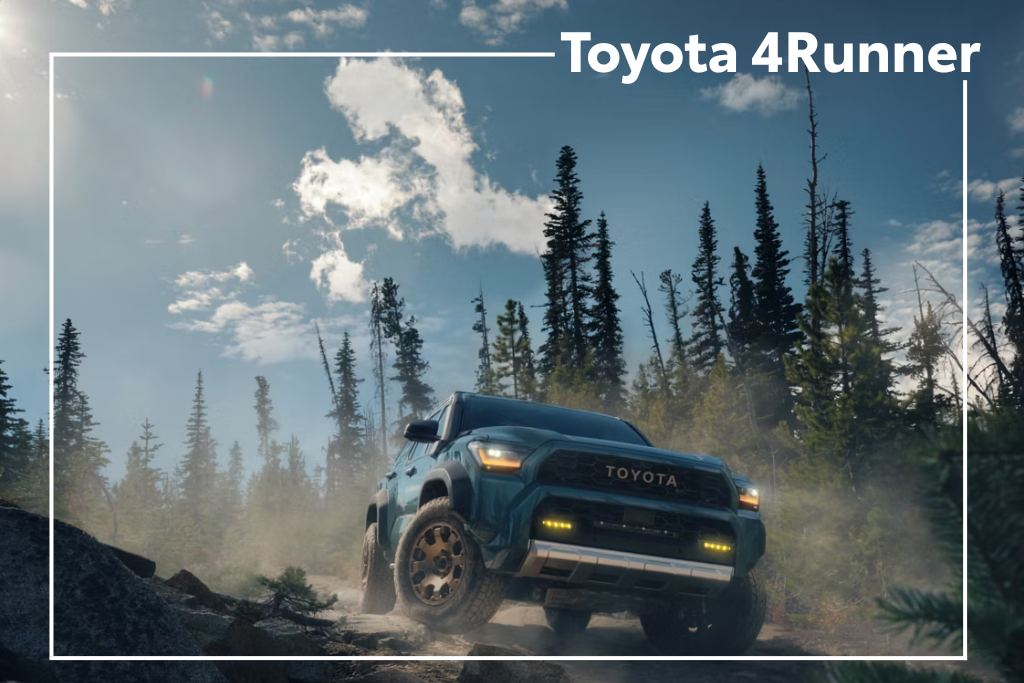
The 2026 Toyota 4Runner is now available at Toyota Vallejo, delivering powerful off-road capability, advanced technology, and a bold new design for drivers searching for a rugged and reliable SUV. As one of the most anticipated Toyota SUVs for 2026, the redesigned 4Runner builds on its legendary durability with upgraded performance, refined interior features, and an available hybrid powertrain for improved efficiency without sacrificing strength.

Recognized as one of the best off-road SUVs on the market, the new Toyota 4Runner is engineered for adventure - whether you are tackling Northern California trails, driving along the coast, or navigating daily commutes. Drivers in Vallejo, Benicia, Fairfield, and Napa can count on the 2026 4Runner for versatility, capability, and long-lasting performance.

Shop the 2026 Toyota 4Runner in Vallejo, CA today and experience why this iconic SUV continues to set the standard for off-road excellence.

2026 Toyota 4Runner Power and Performance

The 2026 Toyota 4Runner delivers exceptional capability with its available i-FORCE MAX 2.4-liter turbocharged hybrid powertrain, generating up to 326 net combined horsepower and 465 lb-ft of torque. Paired with a responsive 8-speed automatic transmission, the new 4Runner provides smooth acceleration, strong passing power, and the durability drivers expect from a body-on-frame SUV built for both daily driving and off-road adventures.

When properly equipped, the 2026 Toyota 4Runner towing capacity reaches up to 6,000 pounds, making it ideal for towing boats, trailers, campers, or outdoor gear across Northern California and beyond.

For drivers seeking enhanced off-road performance, the new Toyota 4Runner offers advanced trail-ready features on select trims, including:

  • Multi-Terrain Select (MTS) for optimized traction across varying surfaces

  • Crawl Control (CRAWL) for low-speed off-road precision and stability

  • Stabilizer Disconnect Mechanism (SDM) (available on specific off-road models) for increased wheel articulation on rugged terrain

These advanced systems help the 2026 4Runner maintain traction, control, and confidence across sand, mud, rocks, and steep inclines - reinforcing its reputation as one of the most capable off-road SUVs in its class.

Built for Adventure: A Rugged SUV Ready for Northern California Trails

The 2026 Toyota 4Runner SUV is purpose-built for durability with its proven body-on-frame construction, delivering the strength serious drivers expect from a true off-road SUV. Engineered to handle rugged terrain while maintaining a smooth, comfortable ride, the 4Runner strikes the perfect balance between trail-ready capability and everyday drivability.

Designed for drivers who demand more than a typical crossover, the new Toyota 4Runner is ready to take on Northern California trails, coastal routes, and mountain terrain - while remaining refined enough for daily commutes around Vallejo and beyond.

Available performance features and off-road equipment include:

  • Available four-wheel drive (4WD) for enhanced traction in challenging conditions
  • Skid plates and underbody protection for added durability on rough terrain
  • Off-road-tuned suspension and components for improved control and stability

With its rugged engineering and proven reliability, the 2026 Toyota 4Runner continues to stand out as one of the most capable off-road SUVs in its class, built for drivers who want confidence on every road and beyond it.

Popular 2026 Toyota 4Runner Trims at Toyota Vallejo

The 2026 Toyota 4Runner trim levels offer a wide range of performance, technology, and style options, from the versatile SR5 to the off-road-ready TRD Pro. If you are searching for a 2026 Toyota 4Runner for sale in Vallejo, CA, these are some of the most popular models drivers are asking about. Inventory may vary—contact Toyota Vallejo for current availability, pricing, and test drive options.

2026 Toyota 4Runner SR5

The 2026 Toyota 4Runner SR5 is a well-rounded SUV and a popular choice for drivers looking for a reliable daily driver SUV with modern technology, flexible seating, and strong capability.

  • Up to an EPA-estimated 20 city / 26 highway MPG (varies by configuration)

  • 17-inch alloy wheels for a balanced ride and durability

  • 8-inch Toyota Audio Multimedia touchscreen display

  • Wireless Apple CarPlay® and Android Autoâ„¢ compatibility

  • Available third-row seating for added passenger versatility

2026 Toyota 4Runner TRD Sport

The 2026 Toyota 4Runner TRD Sport is designed for drivers who want a more athletic look and refined on-road performance, combining bold styling with sport-tuned handling. This trim is ideal for those seeking a sporty SUV that still delivers the durability and capability the 4Runner is known for.

  • Up to an EPA-estimated 20 city / 26 highway MPG (varies by configuration)

  • 20-inch machined-finish alloy wheels for a bold, aggressive stance

  • Sport-tuned suspension for improved handling and on-road comfort

  • Honeycomb grille with color-keyed overfenders for a distinctive exterior design

  • Gloss-black hood scoop for added sporty styling

2026 Toyota 4Runner TRD Sport Premium

The 2026 Toyota 4Runner TRD Sport Premium builds on the TRD Sport with upgraded comfort, advanced technology, and premium interior features. This trim is ideal for drivers who want a sporty SUV with luxury-style amenities, while still maintaining the performance and capability of the 4Runner.

  • Up to an EPA-estimated 20 city / 26 highway MPG (varies by configuration)

  • SofTex®-trimmed heated and ventilated front seats for year-round comfort

  • Hands-free power liftgate with power rear window for added convenience and cargo access

  • 14-inch Toyota Audio Multimedia touchscreen for enhanced connectivity and visibility

  • Wireless Apple CarPlay® and Android Autoâ„¢ compatibility

2026 Toyota 4Runner TRD Off-Road

The 2026 Toyota 4Runner TRD Off-Road is built for drivers who want serious trail capability, featuring advanced off-road technology and rugged performance engineering. Designed to handle challenging terrain with confidence, this trim is a top choice for those searching for a true off-road SUV with 4WD capability.

  • Up to an EPA-estimated 19 city / 25 highway MPG (varies by configuration)

  • 18-inch alloy wheels with 33-inch all-terrain tires for enhanced traction

  • Bilstein® monotube shocks with remote reservoirs for improved off-road control and durability

  • Multi-Terrain Select (MTS) to optimize traction across dirt, sand, mud, and rocks

  • Crawl Control (CRAWL) for low-speed precision on steep or uneven terrain

2026 Toyota 4Runner TRD Pro (i-FORCE MAX)

The 2026 Toyota 4Runner TRD Pro is the most capable and aggressive trim in the lineup, engineered for extreme off-road performance and powered by the advanced i-FORCE MAX hybrid powertrain. Built for serious adventurers, this model combines high-output performance with premium off-road components, making it one of the most sought-after off-road SUVs for 2026.

  • Up to an EPA-estimated 23 city / 24 highway MPG (varies by configuration)

  • i-FORCE MAX 2.4-liter turbocharged hybrid powertrain for enhanced power and efficiency

  • Up to 326 net combined horsepower and 465 lb-ft of torque

  • FOX® 2.5-in. Internal Bypass QS3 shocks with remote reservoirs for elite off-road performance

  • Stabilizer Disconnect Mechanism (SDM) for increased wheel articulation on rugged terrain

Each 2026 Toyota 4Runner trim level is designed to deliver the ideal balance of performance, advanced technology, and bold styling - so drivers can choose the Toyota 4Runner model that best fits their lifestyle, driving needs, and adventure goals.

2026 Toyota 4Runner Interior Comfort and Versatility

The 2026 Toyota 4Runner interior combines rugged durability with modern comfort, offering a refined cabin designed for both everyday driving and weekend adventures. With premium materials, advanced connectivity, and flexible seating configurations, the 4Runner is built to handle family road trips, daily commutes, and gear-heavy outings with ease.

Available interior features include:

  • Available third-row seating for up to seven passengers

  • Dual-zone automatic climate control (select trims)

  • Wireless smartphone charging (select trims)

  • Up to five USB-C ports and available 120V power outlets (select trims)

  • Smart Key System with Push Button Start and Digital Key capability (select trims)

  • Power rear window for convenient cargo access or open-air versatility

With passenger space and versatile cargo configurations, the 2026 4Runner SUV adapts to your lifestyle - whether you are loading up passengers, hauling gear, or heading out for your next adventure.

 *For full interior specifications and feature availability by trim, contact the Toyota Vallejo team.

2026 Toyota 4Runner Exterior Design and Capability

The 2026 Toyota 4Runner exterior stands out with bold styling, aggressive lines, and a commanding stance that reflects its off-road heritage. Designed to balance rugged capability with modern design, each trim level offers unique exterior accents - from sport-inspired details to trail-ready enhancements.

Standard and available exterior features may include:

  • LED headlights and taillights for enhanced visibility and modern styling

  • Alloy wheels up to 20 inches for a confident, athletic stance (select trims)

  • Hands-free power liftgate for added convenience (select trims)

  • Available Rigid Industries® LED fog lights for improved visibility in low-light conditions (TRD Pro and Trailhunter models)

  • Optional roof rails and high-clearance front-end design for added utility and off-road capability (select trims)

Whether you are driving through city streets or tackling rugged trails, the 2026 Toyota 4Runner SUV is built for durability, versatility, and standout style - making it one of the most recognizable off-road SUVs on the road.*For full exterior specifications and trim availability, contact the Toyota Vallejo team.

ToyotaCare Peace of Mind

Every new 2026 Toyota 4Runner comes with ToyotaCare, a no-cost maintenance plan designed to help you stay on schedule and drive with confidence. This added value makes owning a Toyota 4Runner even more convenient and cost-effective.

ToyotaCare includes:

  • Factory-scheduled maintenance for 2 years or 25,000 miles (whichever comes first)
  • 24-hour Roadside Assistance for 2 years with unlimited miles

With ToyotaCare coverage, 4Runner drivers can enjoy peace of mind knowing routine maintenance and emergency roadside support are included, helping protect your investment and keep your SUV performing at its best.

Test Drive a 2026 Toyota 4Runner in Vallejo, CA

Ready to experience the power and capability of the 2026 Toyota 4Runner? Visit Toyota Vallejo to explore available models, compare trim levels, and take a test drive in Vallejo, CA today. Whether you are looking for a rugged off-road SUV, a capable daily driver, or a vehicle ready for towing and adventure, the new 4Runner delivers.

Browse our 2026 Toyota 4Runner inventory in Vallejo to find the right trim, features, and color for your lifestyle, or schedule your test drive to experience its performance firsthand.

Conveniently located in Vallejo, Toyota Vallejo proudly serves drivers from Fairfield, Napa, American Canyon, Benicia, and surrounding Bay Area communities. Our team is here to help you find the perfect Toyota 4Runner for sale near you.

Frequently Asked Questions About the 2026 Toyota 4Runner

How much can a Toyota 4Runner tow?
When properly equipped, the 2026 Toyota 4Runner towing capacity reaches up to 6,000 pounds, making it ideal for towing trailers, boats, and campers. Models equipped with the i-FORCE MAX hybrid powertrain deliver strong torque for confident towing performance.

How many seats are in a Toyota 4Runner?
The 2026 Toyota 4Runner seating capacity accommodates up to seven passengers, depending on the trim level and configuration.

Does the Toyota 4Runner have a third row?
Yes, the 2026 Toyota 4Runner offers available third-row seating on select trims, including the SR5 and Limited. The third-row folds flat to provide additional cargo space when not in use.
Posted in:

Related Posts

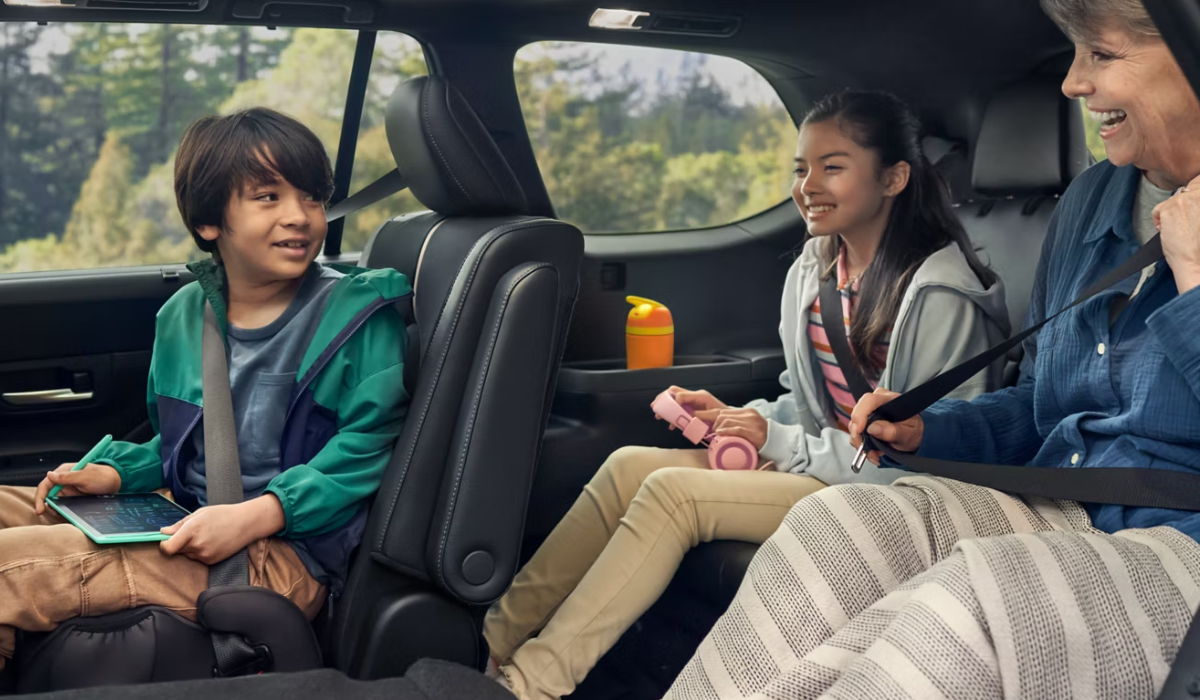
Two children and an older woman smiling and talking while riding in the back seat of a car, all wearing seat belts.

Which 2026 Toyota Models Have Third Row Seating?

If you’re asking which 2026 Toyota models have third row seating, you’re likely looking for a vehicle that can comfortably handle family life, weekend adventures, and everyday driving without compromise. From school drop-offs and carpools to Napa getaways and Bay Area commutes, Toyota offers a versatile lineup of three-row SUVs and minivans designed to deliver space, performance, and modern technology. For 2026, Toyota’s third-row vehicles range from the rugged capability of the Toyota 4Runner, to the refined comfort of the Grand Highlander, to the hybrid efficiency and family-friendly design of the Toyota Sienna. Each model proves that adding a third row doesn’t mean sacrificing style, power, or innovation. In this guide, we’ll break down every 2026 Toyota with third row seating to help you find the perfect fit for your lifestyle at Toyota Vallejo more Quick Comparison: Toyota SUVs and Minivan With Third Row Seating (2026) Model Seats Third Row Comfort Cargo Behind 3rd MPG (est.) Towing Capacity Best For Sequoia 7–8 Adult friendly 22 cu ft 21/24 9,500 lbs Large families and towing Grand Highlander 7–8 Spacious for adults 21 cu ft Up to 36 (Hybrid) 5,000 lbs Space and comfort Highlander / Hybrid 7–8 Best for kids or short trips 16 cu ft Up to 35 (Hybrid) 5,000 lbs Everyday family SUV 4Runner (optional) Up to 7 Compact third row 9 cu ft 16–20 5,000 lbs Off-road and adventure Sienna (minivan) Up to 8 Roomy and easy access 33 cu ft Around 36 (Hybrid) 3,500 lbs Families and efficiency Toyota SUVs With Third Row Seating Toyota continues to offer a strong lineup of SUVs with third row seating for drivers who need extra space, versatility, and performance. These 2026 Toyota SUVs with third row seating are ideal for growing families, road trips, and active lifestyles throughout the Bay Area. 2026 Toyota Sequoia: Power and Space for Big Families The 2026 Toyota Sequoia is a full-size SUV built for comfort, capability, and family life. Seating up to eight, it features a power-folding third row that adjusts at the touch of a button. The Sequoia’s i-FORCE MAX hybrid engine delivers 437 horsepower and up to 9,500 pounds of towing capacity, making it ideal for hauling boats, trailers, or camping gear. Inside, premium materials, advanced technology, and Toyota Safety Sense™ help keep everyone comfortable, connected, and protected on every drive. View our Toyota Sequoia Inventory here. 2026 Toyota Grand Highlander: Comfort Meets Capability The 2026 Toyota Grand Highlander delivers an ideal balance of interior space and everyday practicality for drivers looking for a Toyota SUV with third row seating. With three available powertrain options, including the capable Hybrid MAX, it offers smooth performance with impressive efficiency. The adult-friendly third row is easy to access and provides generous space without the size of a full-size SUV. With up to 97.5 cubic feet of cargo space, the Grand Highlander is well suited for busy families who need flexibility for daily life and weekend plans. Explore Toyota Grand Highlander Models here. 2026 Toyota Highlander and Highlander Hybrid: Balanced for Everyday Life The 2026 Toyota Highlander and Highlander Hybrid continue to be top choices for families who want versatility and value in a Toyota SUV with third row seating. Both gas and hybrid models seat up to eight and include standard third row seating. With a 2.4-liter turbo engine or an available hybrid system delivering up to 35 mpg, the Highlander offers a smart balance of power and efficiency. The third row is best suited for kids or shorter trips but folds flat to create extra cargo space when needed. It’s a strong option for daily commutes, errands, and school drop-offs around the Bay Area. Shop the Toyota Highlander in Vallejo, Ca here. 2026 Toyota 4Runner: Adventure With an Optional Third Row The 2026 Toyota 4Runner is built for drivers who want rugged capability with the flexibility of optional third row seating. Select trims offer an available third row, expanding seating for up to seven passengers while preserving the SUV’s off-road strength. The 4Runner features a body-on-frame design, available four-wheel drive, and up to 5,000 pounds of towing capacity. It’s an excellent choice for weekend trips to Lake Berryessa, Tahoe, or anywhere adventure calls. Browse Toyota 4Runner Inventory here. Toyota Minivan With Third Row Seating 2026 Toyota Sienna: Hybrid Efficiency for Modern Families The 2026 Toyota Sienna is an 8-passenger hybrid minivan designed for comfort and everyday convenience. With Split & Stow third row seating, it’s easy to create extra cargo space for sports gear, groceries, or luggage. The Sienna’s hybrid powertrain delivers around 36 mpg and offers available all-wheel drive for confident driving on rainy Bay Area roads. Families appreciate its quiet cabin, smart technology, and thoughtful features like power sliding doors and three-zone climate control. See available Toyota Sienna Models here. Which Toyota Third Row SUV Is Best for Bay Area Families? Each 2026 Toyota model with third row seating offers distinct advantages depending on your needs and lifestyle. Most spacious: Toyota Sequoia Best for adult comfort: Toyota Grand Highlander Best for fuel efficiency: Toyota Sienna or Toyota Highlander Hybrid Best for adventure: Toyota 4Runner If you’re comparing comfort, size, and efficiency, think about what matters most for your daily routine. Toyota Vallejo can help you compare Toyota third-row SUVs side by side so you can find the right fit for your family. Whether you need a spacious SUV for road trips or a fuel-efficient hybrid for everyday Bay Area driving, there’s a Toyota designed to match your lifestyle. Ready to Find Your Next Toyota With Third Row Seating? Your ideal family vehicle is closer than you think. Explore Toyota’s 2026 lineup of vehicles with third row seating at Toyota Vallejo, where comfort, technology, and reliability come together. Our experienced team can walk you through each model, help you compare trims, and arrange a personalized test drive. Find the SUV or minivan that matches your family’s lifestyle and drive home in a Toyota built for every adventure. Contact us Today. FAQs About Toyota Models With Third Row Seating Which Toyota SUVs offer true third row seating? The Toyota Highlander, Grand Highlander, Sequoia, and 4Runner (optional) all offer third row seating. The Toyota Sienna minivan also includes third row seating as standard. Which Toyota has the most third row space? The Toyota Grand Highlander and Toyota Sequoia provide the most third-row legroom and headroom, making them more comfortable for adult passengers. Are any Toyota third row models hybrid? Yes. The Highlander Hybrid, Grand Highlander Hybrid and Hybrid MAX, Sequoia Hybrid, and Toyota Sienna all offer hybrid powertrains. Which Toyota is best for families around the Bay Area? For fuel efficiency and everyday comfort, the Highlander Hybrid or Toyota Sienna are excellent choices. For maximum space and towing capability, the Sequoia or Grand Highlander are ideal for Bay Area families.

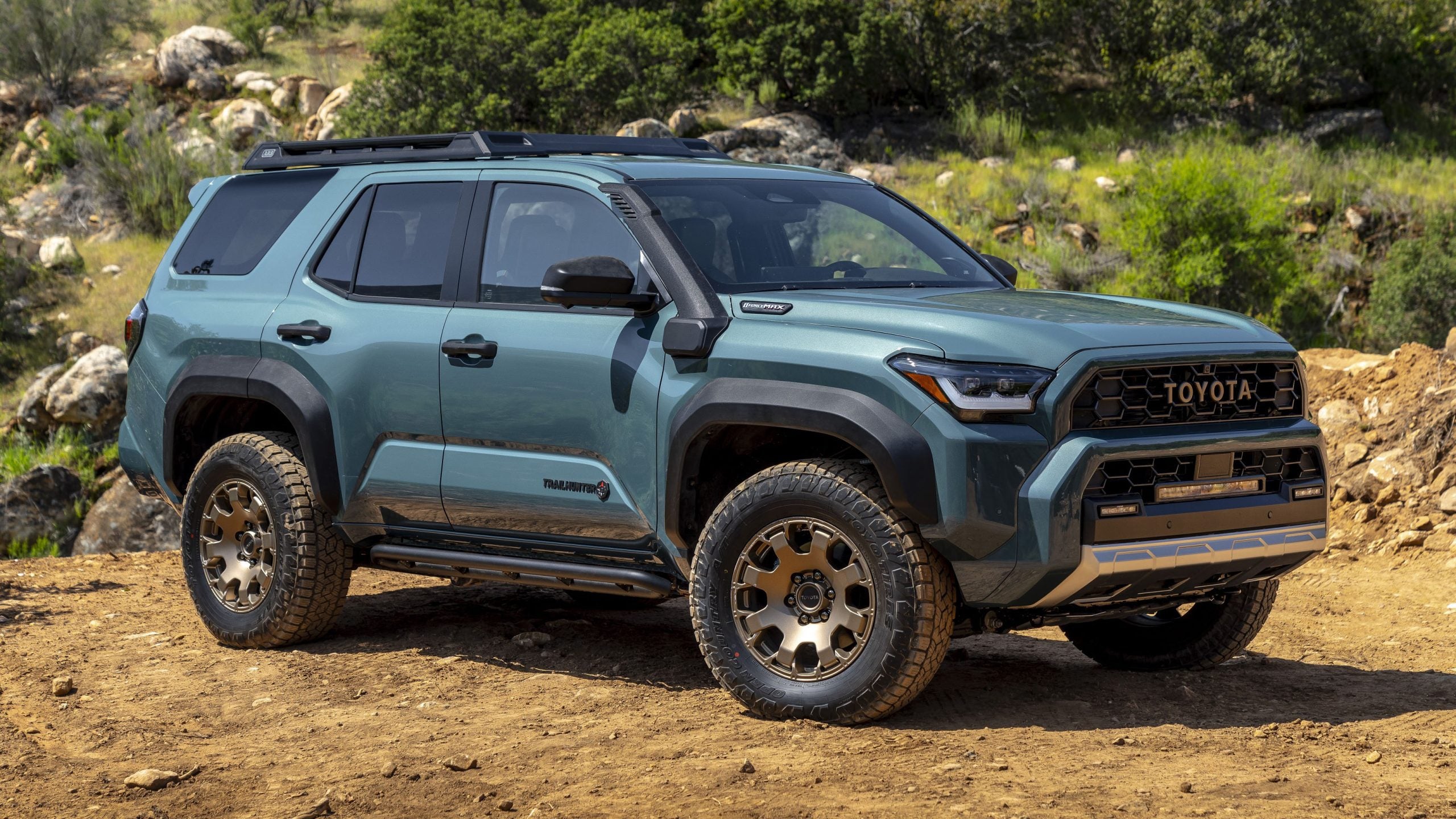
2025_Toyota_4Runner_Trailhunter_Everest_03

Tow With Confidence in the 2024 Toyota 4Runner From Toyota Vallejo

For many years, people have relied on the Toyota 4Runner SUV to deliver on performance and towing capability. Off-road enthusiasts appreciate the 4Runner's specialized suspension system and ability to tow a boat or trailer to remote locations. If you're looking for a capable SUV to handle all your towing needs, our experts at Toyota Vallejo can help you find the right 4Runner trim and towing options to fit your needs. more Harness the Power: Exploring the 2024 Toyota 4Runner's Towing Capacity In 1984, Toyota introduced the 4Runner model to the delight of those seeking an adventurous SUV with high towing capabilities. Today, the 4Runner remains one of the most popular SUVs for off-road drivers and those who want a rugged yet sophisticated SUV for everyday driving. You can get this reliable and capable SUV in seven trims: the SR5, TRD Sport, SR5 Premium, TRD Off-Road, TRD Off-Road Premium, Limited, and the mighty TRD Pro. All trims come with a 4.0-liter V-6 engine outputting 270 horsepower and 278 lb-ft of torque mated with a five-speed electronically controlled automatic transmission. Depending on the trim, the 4Runner comes with either part- or full-time four-wheel drive (4WD) for added traction and grip. For your towing needs, the 2024 Toyota 4Runner can haul up to 5,000 pounds when properly equipped. Maximum Towing Capacity Designed to tow, the 4Runner can provide a maximum 5,000-pound towing capacity with the right equipment and drivetrain. Items you can tow with the max capacity of the 4Runner include: A tear-drop trailer. An A-frame pop-up camper. A motorcycle or jet ski trailer. A small, enclosed utility trailer. An open utility trailer. A small boat or horse trailer. Similar SUVs to the 4Runner include the Jeep Wrangler with a towing capacity of up to 5,000 pounds, the Ford Escape with a towing capacity of 3,500 pounds, and the Kia Telluride that can tow up to 5,000 pounds.  The early 4Runner generations only had a maximum towing capacity of 3,500 pounds, so the newer generations have improved their ratings to stand against other SUVs. Towing-Related Features Towing with the 4Runner requires special equipment and features that Toyota equips with this SUV. Each trim comes with a factory-installed integrated towing receiver hitch with a wiring harness complete with either four- or seven-pin connectors. Here are additional available features to help enhance smooth and safe towing: Trailer brake controller: This feature helps the 4Runner and the trailer's brakes stop in synch to prevent brake lockup. Heavy-duty coil springs: These springs reduce compression on the suspension system when towing a heavy load. Tow/haul driving modes: The terrain management system's tow/haul drive modes allow you to adjust the settings to compensate for hauling on varied terrain and driving conditions. Downhill assist control: This control lets you use the engine and transmission to slow the 4Runner and trailer when going down hills without excessive braking. 4WD: The 4WD system enhances traction while towing. Safety features such as adaptive cruise control, front and rear parking sensors, hill-start assist, a lane mitigation system, and a 360-degree panoramic view camera help enhance towing safety. Consult with our knowledgeable team at Toyota Vallejo to learn more about specific features and options to make your towing experience more enjoyable. Off-Road Considerations If you like taking the 4Runner on rugged off-road trails while towing a trailer or boat, the TRD trims have extra features to help get over obstacles safely. This SUV has higher ground clearance than most SUVs, helping you avoid getting stuck on obstacles and letting you ford small streams with ease. Key features found on these off-road-ready trims include an electronic locking rear differential, FOX high-performance shocks, a Multi-Terrain Select terrain management system, and the available X-REAS sport-enhanced suspension system on the TRD Sport trim. In addition, the Multi-Terrain Monitor gives you detailed views of the undercarriage of the 4Runner and the surrounding terrain to help you navigate the SUV in challenging conditions. Before heading out on an off-road adventure with your 4Runner and trailer, consider getting specialized off-road tires equipped for mud, sand, or rock crawling. You can also add a winch to help you get unstuck if necessary and protective skid plates to help reduce damage to the 4Runner's undercarriage and running boards. Practical Towing Tips Whether you're new to towing or a seasoned pro, there are steps and protocols to make towing safe and efficient. Considerations for towing with the 4Runner include: Ensuring correct weight distribution: Most of the cargo weight should be in the front of the trailer and the cargo should be distributed evenly on both sides. Securing the load: Use cargo tie-downs to secure the load from sliding around as this can upset the weight distribution. Avoiding trailer sway: If the weight is not balanced evenly, it can cause the trailer to sway while you're towing it. To prevent you from losing control of the vehicle due to trailer sway, keep your speed down and try to avoid driving in high-wind situations. Keeping a safe distance between vehicles: It takes longer to stop the vehicle when towing a trailer, so keeping a safe distance can help you slow down and brake safely. Keeping your 4Runner and trailer maintained: Before going on an adventure with your trailer, be sure your brakes are in top condition, all lights are working properly, and the engine is serviced to prevent overheating. Consider taking a class on towing, especially off-road towing, to give you the skills and knowledge to take your boat or trailer on any type of terrain. Discover the 2024 Toyota 4Runner at Toyota Vallejo Whether you want to take an off-road equipped trailer to the Sierra Nevada mountains, a boat to a local lake, or a horse to ride through the forest, the 2024 4Runner is a smart choice. Feel free to contact us at Toyota Vallejo to learn more about this popular SUV's features and schedule a test drive of the 4Runner or other Toyota vehicles. We encourage you to visit our website to see our seasonal and monthly promotions that can help you save money on your next Toyota.

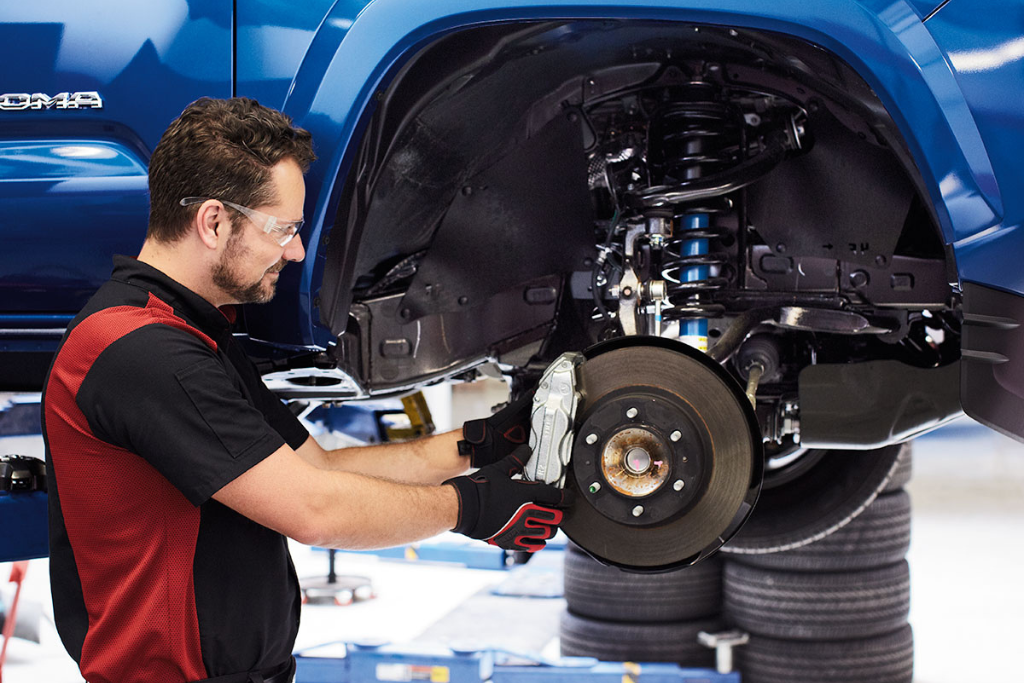
How Long Do Brake Pads Last Toyota Brake Pads

How Long Do Brake Pads Last?

Brake pads are one of the most important safety components on your vehicle and understanding how long brake pads last can help you maintain safe braking performance while avoiding more costly brake repairs. Whether you're navigating stop-and-go Bay Area traffic, commuting along Interstate 80, or taking longer highway trips, routine brake inspections and timely brake pad replacement are essential for keeping your Toyota performing at its best. At Toyota Vallejo, one of the most common questions our service team hears is, "How long do brake pads last?" While there isn't a single answer, most brake pads typically last between 30,000 and 70,000 miles, depending on driving habits, road conditions, vehicle type, and the quality of the brake pad material. Frequent city driving, heavy braking, towing, and carrying additional weight can all shorten brake pad life, while consistent highway driving often allows brake pads to last longer. Knowing the warning signs of worn brake pads, understanding the factors that affect brake pad lifespan, and scheduling regular brake inspections can help protect your braking system, improve vehicle safety, and extend the life of other brake components. In this guide, we'll explain what impacts brake pad wear, when brake pads should be replaced, and how Toyota Vallejo can help keep your vehicle stopping safely and confidently. more How Long Do Brake Pads Last on a Toyota? While most Toyota brake pads last between 30,000 and 70,000 miles, the actual lifespan depends on how and where your vehicle is driven. Rather than relying on mileage alone, it's important to have your braking system inspected regularly to determine when brake pad replacement is needed. Driving conditions throughout Vallejo and the greater Bay Area can have a significant impact on brake wear. Frequent stop-and-go traffic, steep hills, daily commuting, and carrying heavy loads all require more braking, which naturally causes brake pads to wear more quickly than vehicles driven primarily on open highways. Several factors influence how long Toyota brake pads last, including: Driving habits Traffic conditions Vehicle weight Brake pad material Road terrain Towing or hauling Frequency of braking Front brake pads also typically wear faster than rear brake pads because the front braking system absorbs more force each time you slow or stop. Routine brake inspections are the most reliable way to monitor brake pad condition before braking performance begins to decline. During every brake inspection, the Toyota Certified Technicians at Toyota Vallejo measure brake pad thickness, inspect brake rotors and other brake components for wear, and recommend service based on your vehicle's condition and Toyota's factory specifications. This proactive approach helps maintain safe braking performance while preventing more extensive, and often more expensive, brake repairs. What Causes Brake Pads to Wear Out Faster? Brake pads are designed to wear over time as they create friction against the brake rotors to safely slow and stop your vehicle. While this is a normal part of routine vehicle maintenance, certain driving habits and road conditions can significantly reduce brake pad lifespan. Common causes of premature brake pad wear include: Frequent stop-and-go traffic Aggressive or hard braking Driving at higher speeds Carrying additional vehicle weight Towing trailers or heavy loads Driving on steep grades or hilly roads Worn or damaged brake rotors Low-quality or improperly fitted brake pads Drivers throughout Vallejo and the Bay Area often experience faster brake wear because daily commuting frequently involves traffic congestion, traffic signals, and repeated braking. These conditions generate additional heat and friction, causing brake pads to wear more quickly than vehicles driven primarily on highways. Hard braking, especially from higher speeds, places additional stress on both the brake pads and brake rotors. Over time, excessive heat can reduce braking efficiency and contribute to uneven brake wear if left unaddressed. Routine brake inspections can help identify uneven brake pad wear, rotor damage, and other brake system concerns before they develop into more costly repairs. At Toyota Vallejo, our Toyota Certified Technicians inspect your entire braking system and recommend the appropriate maintenance or brake pad replacement using quality parts designed to meet Toyota's performance and safety standards. Signs Your Brake Pads Need Replacing Brake pads rarely wear out without warning. In most cases, your vehicle will begin showing signs that it's time for a brake inspection or brake pad replacement. Recognizing these symptoms early can help protect your brake rotors, maintain safe stopping performance, and reduce the likelihood of more expensive brake repairs. Common Signs of Worn Brake Pads Squealing or squeaking noises Grinding noises when braking Longer stopping distances Brake pedal vibration or pulsation Vehicle pulling to one side while braking Brake warning light illuminated Reduced braking responsiveness or braking power Many modern brake pads include a built-in wear indicator that produces a high-pitched squealing sound when the brake pad material becomes thin. This is an early warning that it's time to have your brakes inspected. It’s important to know that not every squealing noise means your brake pads need to be replaced immediately. In some cases, brake dust, moisture, or debris can cause temporary brake noise. Brake dust is a normal byproduct of the braking process, consisting of fine particles from the brake pads and rotors that can accumulate on brake components and leave a dark residue on your wheels. While this type of squealing may not indicate excessive brake pad wear, any persistent brake noise should be inspected to determine the underlying cause. If the squealing progresses to a grinding noise, the brake pads may be completely worn through, allowing the metal backing plate to contact the brake rotor. Continuing to drive in this condition can damage the rotors, reduce braking performance, and significantly increase repair costs. If you notice any of these warning signs, don't wait for the problem to worsen. The Toyota Certified Technicians at Toyota Vallejo can inspect your brake pads, brake rotors, calipers, brake fluid, and the rest of your braking system to identify the source of the issue and recommend the appropriate repairs to keep your Toyota performing safely. If your brakes are making unusual noises, your vehicle isn't stopping as confidently as it should, or it's simply time for a routine brake inspection, our service team is here to help. The Toyota Certified Technicians at Toyota Vallejo use Toyota-approved parts and follow factory-recommended service procedures to help maintain the safety, reliability, and performance of your vehicle. Schedule your brake inspection or brake pad replacement at Toyota Vallejo today, and drive with confidence knowing your braking system is ready for every mile ahead. How Long Do Brake Rotors Last? Brake rotors typically last longer than brake pads and often remain in good condition for 50,000 to 70,000 miles or more. However, rotor lifespan depends on driving habits, road conditions, braking frequency, and whether brake pads are replaced before they become excessively worn. Brake rotors and brake pads work together to safely slow and stop your vehicle. Each time you apply the brakes, friction generates heat, gradually wearing both components. As brake rotors age, they can develop uneven wear, grooves, excessive runout, or heat-related damage that affects braking performance. Common signs that your brake rotors may need service include: Brake pedal vibration or pulsation Steering wheel vibration while braking Uneven or inconsistent braking performance Grinding noises Visible grooves, scoring, or excessive rotor wear Replacing brake pads at the recommended time can often help extend the life of your brake rotors and reduce the likelihood of more extensive brake repairs. During every brake inspection, the Toyota Certified Technicians at Toyota Vallejo measure rotor thickness, inspect rotor condition, and determine whether the rotors can continue to be used or should be replaced according to Toyota's factory specifications. Keeping both your brake pads and brake rotors in good condition helps ensure consistent stopping power, supports overall braking system performance, and contributes to the long-term safety and reliability of your Toyota. Brake Pads vs Rotors: What’s the Difference? Brake pads and brake rotors are two essential components of your vehicle's braking system. While they work together every time you press the brake pedal, each serves a different purpose in helping your Toyota slow down and stop safely. Brake Pads Brake pads are friction materials mounted inside the brake calipers. When you press the brake pedal, the calipers squeeze the brake pads against the brake rotors, creating the friction needed to reduce wheel speed and bring your vehicle to a controlled stop. Because brake pads absorb much of the friction and heat generated during braking, they naturally wear down over time and require periodic replacement as part of routine vehicle maintenance. Brake Rotors Brake rotors are durable metal discs attached to each wheel. They provide the smooth braking surface that the brake pads press against to slow the vehicle. Although brake rotors generally last longer than brake pads, they can wear, develop grooves, or become damaged from excessive heat or continued driving with worn brake pads. Since brake pads and brake rotors work as a system, the condition of one directly affects the performance of the other. Replacing worn brake pads before they cause damage to the rotors can help improve braking performance, extend the life of your braking system, and reduce long-term repair costs. Routine brake inspections performed by the Toyota Certified Technicians at Toyota Vallejo help ensure your brake pads, rotors, calipers, and other braking components are working together as designed. Regular maintenance helps keep your Toyota operating safely and according to Toyota's factory-recommended standards. How To Make Brake Pads Last Longer While brake pads are designed to wear over time, adopting good driving habits and following your recommended maintenance schedule can help extend brake pad life, reduce unnecessary brake wear, and support the long-term performance of your braking system. Tips To Extend Brake Pad Life Avoid hard or sudden braking whenever possible. Leave extra following distance between vehicles. Coast gradually when approaching stops. Reduce unnecessary vehicle weight. Follow posted speed limits. Schedule regular brake inspections. Replace worn brake pads before they damage the brake rotors. Smooth, controlled braking reduces the heat and friction placed on your brake pads, brake rotors, and other braking components. These simple driving habits can help maximize brake pad lifespan while contributing to a safer, more comfortable driving experience. Routine brake inspections are equally important. The Toyota Certified Technicians at Toyota Vallejo can monitor brake pad thickness, inspect your brake rotors and braking system, and identify normal wear before it develops into a more costly repair. Do Toyota Hybrid Brake Pads Last Longer? In many cases, yes. Toyota hybrid vehicles often experience less brake pad wear than comparable gasoline-powered models because they use regenerative braking technology. During normal driving, regenerative braking helps slow the vehicle while capturing energy and returning it to the hybrid battery. Because the electric motor assists with deceleration, the conventional brake pads are used less frequently, which can help extend their lifespan. Models such as the Toyota Prius, Camry Hybrid, Crown, Corolla Hybrid, RAV4 Hybrid, Highlander Hybrid, Grand Highlander Hybrid, and Toyota Sienna Hybrid may experience longer brake pad life under similar driving conditions compared to traditional gas-powered vehicles. Even with regenerative braking, regular brake inspections remain an important part of routine Toyota maintenance. The Toyota Certified Technicians at Toyota Vallejo inspect brake pads, brake rotors, brake fluid, and the entire braking system to help ensure your hybrid continues to deliver the safe, reliable performance you expect. Why Toyota Genuine Brake Pads Matter When it's time for brake pad replacement, choosing Toyota Genuine Brake Pads helps maintain the braking performance, safety, and reliability your Toyota was engineered to deliver. Unlike aftermarket brake pads that can vary in quality and fitment, Toyota Genuine Parts are designed specifically for your vehicle's braking system and manufactured to meet Toyota's strict performance and safety standards. Benefits of Toyota Genuine Brake Pads include: Consistent braking performance Proper fit and compatibility Reduced brake noise and vibration Durable materials designed for everyday driving Reduced wear on brake rotors Toyota-backed quality and engineering Using the correct brake pads not only supports predictable stopping performance but also helps protect other components within your braking system over time. At Toyota Vallejo, our Toyota Certified Technicians install Toyota Genuine Brake Pads and other Genuine Toyota Parts designed specifically for your Toyota model. Combined with a comprehensive brake inspection, this helps ensure your vehicle continues to perform the way Toyota intended. Schedule Brake Service at Toyota Vallejo Your braking system is one of the most important safety systems on your vehicle, and routine brake inspections are one of the best ways to help keep it performing at its best. Whether you've noticed squealing brakes, grinding noises, brake pedal vibration, longer stopping distances, or it's simply time for routine maintenance, addressing brake concerns early can help prevent more extensive repairs and maintain safe, reliable stopping power. At Toyota Vallejo, our Toyota Certified Technicians inspect your brake pads, brake rotors, calipers, brake fluid, and other critical braking components using Toyota's factory-recommended service procedures. If brake pad replacement or additional brake service is needed, we use Toyota Genuine Parts engineered specifically for your vehicle. We proudly provide professional Toyota brake service for drivers throughout Vallejo, Benicia, American Canyon, Fairfield, Napa, and the greater Solano County area, helping keep your Toyota ready for every commute, road trip, and adventure ahead. If your Toyota is due for a brake inspection or brake pad replacement, schedule your brake service at Toyota Vallejo today. Our team is here to help you drive with confidence, knowing your braking system is performing safely and reliably. Frequently Asked Questions About Brake Pads How often should brake pads be replaced? Most brake pads need to be replaced between 30,000 and 70,000 miles, although the exact interval depends on driving habits, traffic conditions, road terrain, vehicle weight, and brake pad material. Regular brake inspections are the best way to determine when your Toyota brake pads should be replaced based on their actual condition. What do worn brake pads sound like? Worn brake pads commonly produce squealing, squeaking, or grinding noises when braking. Squealing often indicates the brake pads are approaching the end of their service life, while grinding may signal that the brake pads have worn completely and are damaging the brake rotors. If you hear either sound, schedule a brake inspection as soon as possible. How long do Toyota brake pads last? Toyota brake pads typically last between 30,000 and 70,000 miles, depending on your driving style, road conditions, vehicle model, and whether you primarily drive in city traffic or on the highway. Routine brake inspections by Toyota Certified Technicians help ensure brake pads are replaced at the appropriate time. Do Toyota hybrid vehicles wear through brake pads faster? No. In many cases, Toyota hybrid vehicles experience slower brake pad wear because regenerative braking helps slow the vehicle while recovering energy for the hybrid battery. This reduces how often the conventional brake pads are engaged, which can help extend their lifespan. Regular brake inspections are still recommended to maintain safe braking performance. Can worn brake pads damage brake rotors? Yes. If brake pads become excessively worn, the metal backing plate can contact the brake rotors, creating metal-on-metal friction that may cause grooves, scoring, or other rotor damage. Replacing worn brake pads promptly can help protect your brake rotors, improve braking performance, and reduce the cost of future brake repairs.